
Cats Need Their Claws for More Than Scratching
Declawing has been talked about for decades as if it were a simple fix for scratched couches, torn curtains, or worried hands. That wording has done cats no favors. Declawing is not a fancy nail trim. It is not a manicure. It is not a small cosmetic change. It removes part of a cat’s toes so the claw cannot grow back. That should make every cat parent stop cold.
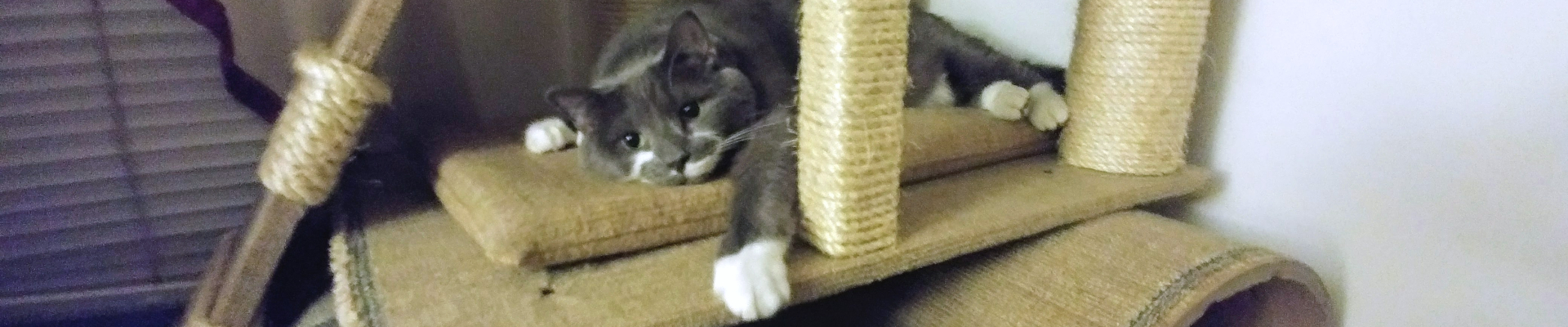
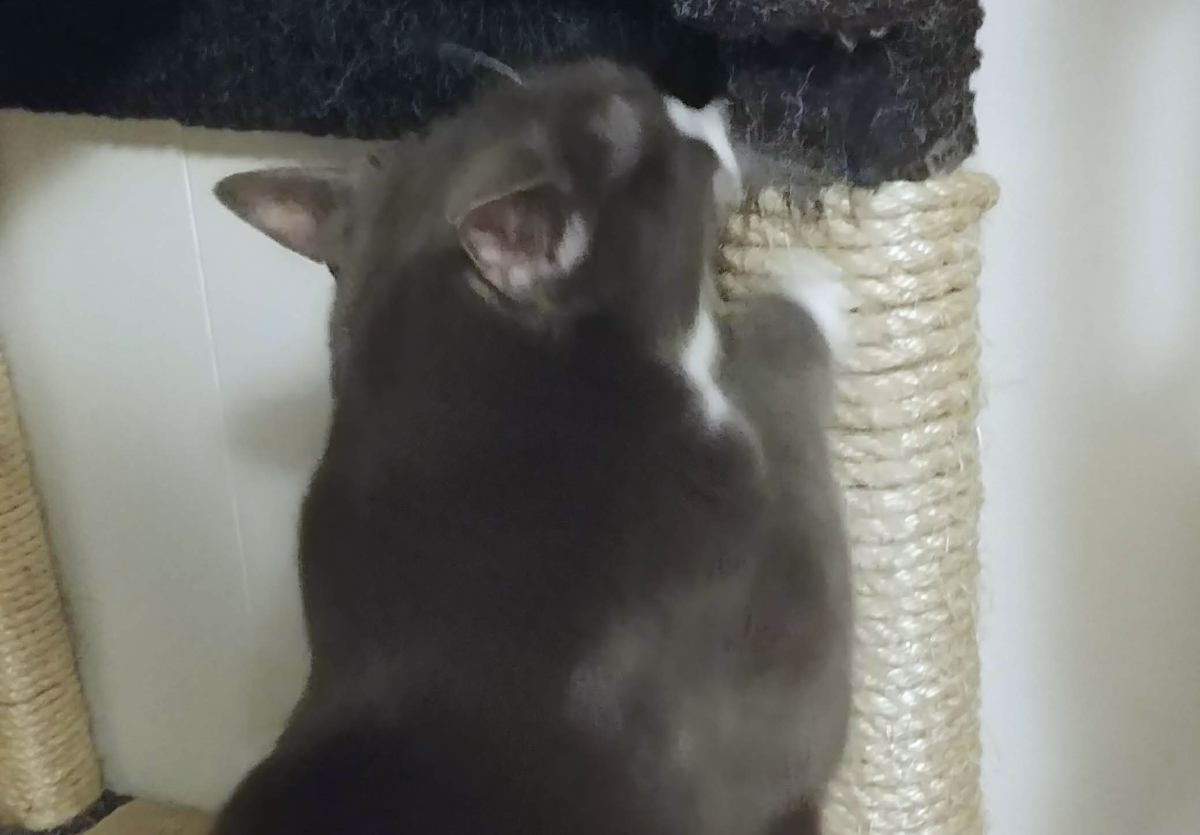
Cats are built around their paws. They stretch with them, balance with them, climb with them, play with them, protect themselves with them, and mark their world with them. A cat scratching a post is not being bad. A cat scratching the side of a chair is not plotting revenge like a tiny villain in fur pajamas. Scratching is normal cat behavior. The human job is to guide that behavior toward the right surfaces, not remove the body part that makes the behavior possible.
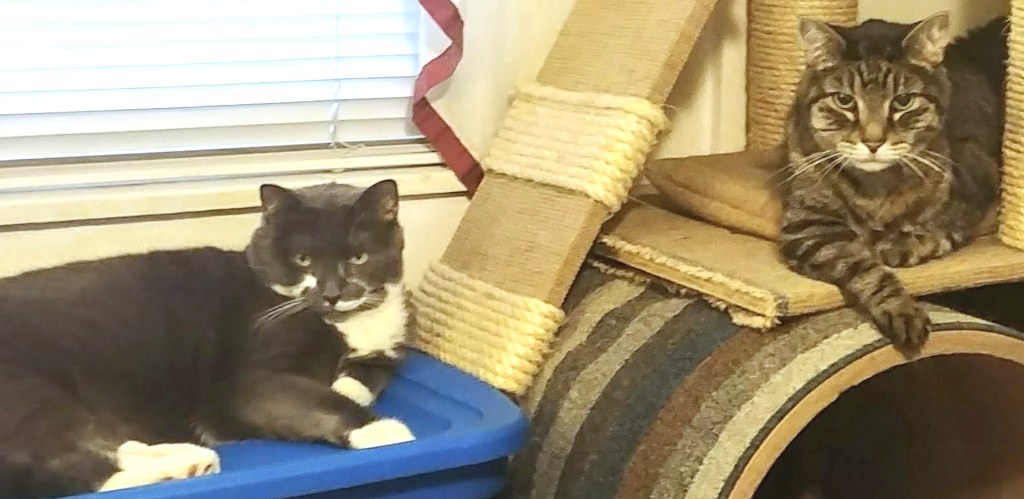
I say this as someone who has lived with many cats through many seasons of life. Senior cats, sick cats, anxious cats, stubborn cats, brilliant little weirdos who seemed to have their own rulebook. Belle, Paws, Bubbles, Pebbles, Bam Bam, Clyde, Bonnie, Cybil, Skittles, Blackie, Rascal, Tabitha, Sheamus, Bentley, and others all taught us something different about care, patience, and respect. Cats are not furniture-safe accessories. They are living creatures with instincts that deserve room.
Anti-declaw legislation matters because education alone has not been enough. Too many cats have already paid the price for human convenience.
The Problem With Calling It Declawing
 The word “declawing” sounds soft. That is part of the problem. It makes the procedure sound like removing a claw from the outside, the way we might clip a nail or trim a broken edge. That is not what happens in a typical declaw surgery.
The procedure usually removes the last bone of each affected toe. In plain language, imagine removing the end section of a finger, not just the fingernail. That comparison is uncomfortable because it should be uncomfortable. We should not have to soften the words to make the procedure easier to accept.
Many people who approved declawing in the past did not understand what they were agreeing to. Some were told it was routine. Some were told it would protect the home. Some were told it was better than surrendering a cat. Some may have believed they were making a responsible choice because a professional offered it. I do not think shaming every person who ever had a cat declawed helps the movement. A lot of people simply did not know. But now we know more. That changes what we should allow going forward.
A law against elective declawing does not exist to punish loving pet parents who were misinformed years ago. It exists to stop the next kitten, the next shelter cat, the next nervous senior, and the next apartment cat from losing healthy toes for no medical reason.
Medical Need Is Different From Convenience
Good anti-declaw legislation should leave room for true medical care. That distinction matters. A cat with cancer in a toe, a severe injury, a serious infection, or another painful medical condition may need surgery involving a claw, toe, or paw. That is not the same as declawing a healthy cat because the couch is expensive. The law should be clear. Therapeutic treatment should remain available when a veterinarian is treating a real medical problem for the cat’s benefit. Convenience procedures should not be allowed.
This is where opponents sometimes muddy the water. They may claim bans interfere with veterinary medicine. In reality, well-written bans protect medical judgment where it belongs, inside actual treatment. They simply draw a hard line between healing a cat and altering a cat to make human life easier. That line is fair.
I trust veterinarians with a lot. We have leaned on vets through kidney disease, hyperthyroidism, high blood pressure, diabetes, heart issues, bladder cancer, blindness, and all the messy, emotional care that comes with aging animals. But trust does not mean every service offered by an industry should remain legal forever. Standards change. Ethics grow. Better options replace old habits. Declawing healthy cats should be left in the past.
Scratching Problems Have Humane Answers
 People often support declawing because they are frustrated, not cruel. Their cat is shredding the sofa. Their hands are scratched. A child or older family member is getting hurt. A landlord is pressuring them. A new adopter is scared the cat will destroy the house. These are real concerns, and brushing them off does not help anyone. The answer is not amputation. The answer is better support.
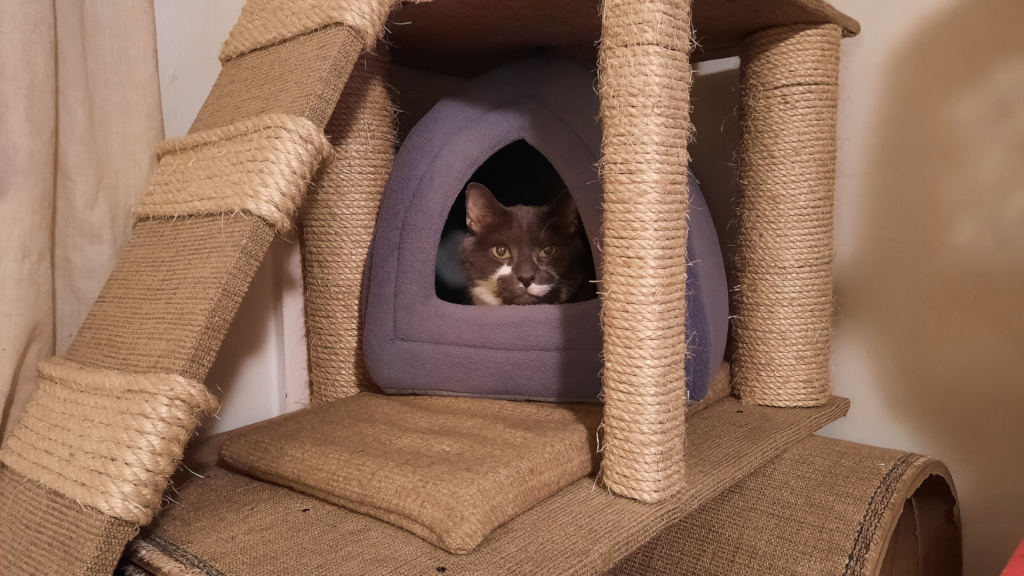
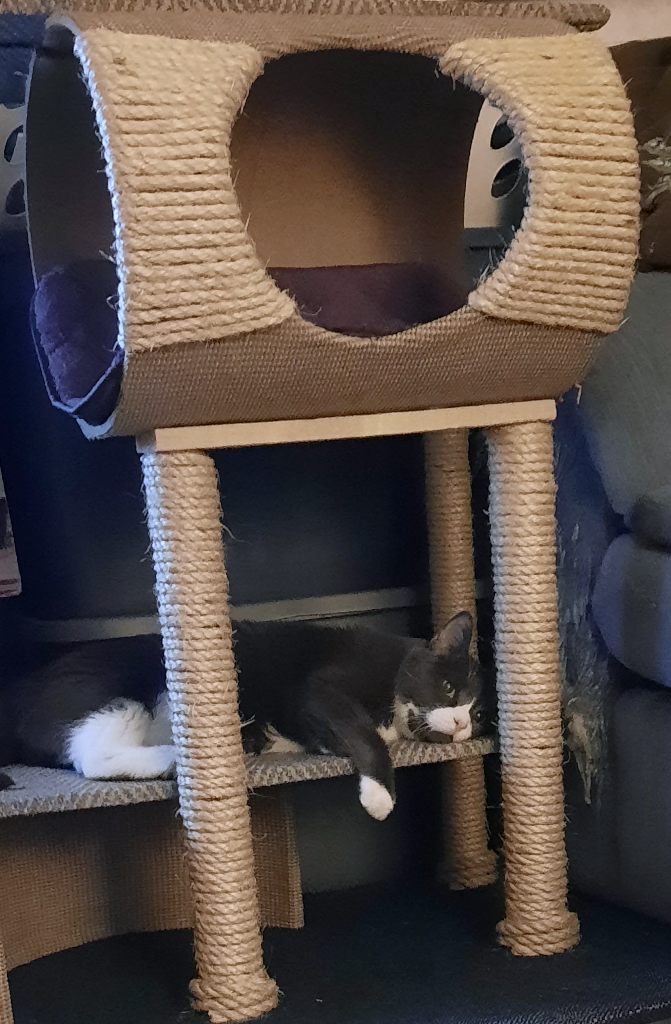
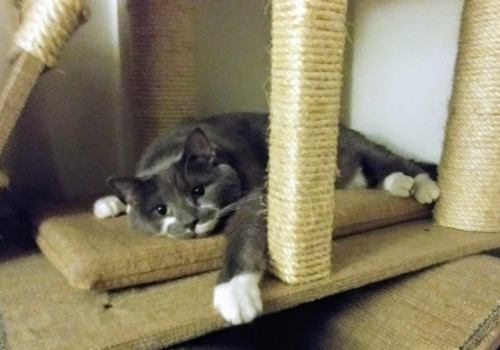
Most scratching problems improve when the home gives the cat better choices. That may mean sturdy scratching posts that do not wobble, horizontal scratchers for cats who hate vertical posts, cardboard pads, sisal rope, carpeted trees, cat shelves, nail trims, soft nail caps, furniture covers, calming routines, and redirection with treats or praise. Some cats want to scratch near sleeping spots. Some want to scratch near doorways. Some want height. Some want cardboard because apparently cardboard is the luxury spa of cat life.
The setup matters. A tiny flimsy post hidden in a corner will not compete with the arm of a couch in the middle of family life. Cats scratch where it feels good and where the scent marking makes sense to them. Put the good scratching surfaces where the cat already wants to scratch, then slowly adjust from there if needed.
BellenPaws has always believed that practical tools help families keep pets home and cared for. The same thinking applies here. We offer free tools for other parts of pet care, like our pet diabetes tracker with printable charts, blank glucose curve forms, cat and dog human-age calculators, and even a rope length calculator for DIY scratching posts. That rope calculator may sound oddly specific until you have tried to rebuild a shredded cat post and realized your little clawed roommate has very strong opinions about texture. Humane options exist. People just need to be shown how to use them.
Laws Help Change the Default Advice
A law does more than ban one procedure. It changes the starting point of the conversation. Without a ban, a desperate cat owner may call a clinic and ask about declawing as if it is one item on a menu. With a ban, the answer becomes different from the start. The discussion shifts to scratching posts, behavior help, nail trimming, home setup, landlord education, and safer handling. That shift saves paws.
This is why state legislation matters. Local bans are valuable, and many cities helped lead the way, but statewide laws create clearer rules. They also protect cats outside major cities, where access to behavior support may be thinner and old habits may hold on longer. Statewide bans send a message to shelters, landlords, rescues, veterinarians, breeders, and pet parents. Healthy claws are not optional equipment. They are part of the cat.
That message can also help renters. Some renters have faced lease rules or landlord pressure requiring declawed cats. Anti-declaw laws can help remove that pressure by making the demand itself improper. A landlord may still worry about damage, but the answer should be deposits, furniture protection, scratching stations, and responsible pet agreements, not toe amputation.
Start With Your Own State’s Status
 Advocacy works better when it is specific. Before calling lawmakers, check whether your state already has a ban, has active legislation, has city-level bans, or has no movement yet. The details will shape your next step. If your state already bans elective declawing, your work is not over. Laws need public awareness. Shelters, rescues, apartment managers, and new cat parents may not know the rules. Sharing clear, calm information can prevent confusion and help people find humane options.
If your state has a bill pending, that is the time to act. Contact your state senator and state representative. Ask them to support the bill by name and number. Keep the message short, personal, and firm. Lawmakers hear a lot of noise. A local voter explaining why this matters can cut through more than a copied wall of text.
If your state has no bill, look for animal welfare groups already working on the issue. The Paw Project, animal legal groups, humane organizations, local rescues, and cat advocacy groups may already have model language or campaign plans. Starting from scratch is harder than joining people who have been doing the work.
Tell a Personal Story Without Losing the Point
Personal stories help because laws can feel distant until someone pictures a real cat. A short story about a cat who loved to stretch, climb, knead, or scratch can make the issue more human. It reminds lawmakers that this is not about abstract policy. It is about animals living in homes with families.
Still, the story should connect back to the request. A good advocacy message does three things. It says you live in the lawmaker’s district, explains why elective declawing is harmful, and asks for a specific action. A message might sound like this:
“I am a constituent asking you to support legislation banning elective cat declawing while keeping exceptions for true medical need. Declawing removes part of a cat’s toes and can lead to pain and behavior problems. Scratching is normal cat behavior, and humane options like scratching posts, nail trims, and soft caps are available. Please support a statewide ban on non-medical declawing.”
That is enough. You do not need to write a legal brief. Clear beats fancy. Phone calls also help. Staff members often log constituent calls by issue. You can simply say you support a ban on elective cat declawing and want the lawmaker to back the bill. Be polite. Be steady. Be local.
Work With Shelters, Rescues, and Veterinarians
 Anti-declaw legislation becomes stronger when the community around cats speaks together. Shelters and rescues see the consequences of behavior problems, pain, surrender, and misunderstanding. Many already refuse to adopt to people who plan to declaw. Their voices carry weight because they deal with real cats and real families every day.
Veterinarians are also part of the conversation, even when the profession does not speak with one voice. Many vets no longer perform elective declawing. Many support non-surgical options. Some may oppose legislation because they do not want lawmakers setting medical rules. That concern should be heard, but it should not end the discussion.
The answer is a clean bill with a clear medical exception. Vets should be able to treat disease, injury, infection, and serious medical problems. They should not be asked to remove healthy toe bones because a chair is getting scratched.
Local clinics that already avoid declawing can be powerful allies. Ask whether they would be willing to provide educational material, support a letter, or direct clients to humane scratching resources. Not every clinic will want to step into legislation, but some will. Take the help where you can get it.
Keep the Message Focused on Cats, Not Partisan Teams
Animal welfare can get dragged into political team sports if we let it. Do not let it. Cats do not care what party controls the statehouse. A declawed paw hurts the same in a red district, a blue district, or a purple one. The strongest message is simple. Healthy cats should not lose parts of their toes for convenience. Medical treatment should remain allowed. Humane alternatives should be promoted. Families should get help before frustration turns into a permanent surgery.
That argument can reach people across political lines because most people understand fairness to animals. They may need education. They may need to hear the amputation comparison. They may need to learn that scratching is normal and manageable. But the core idea is not extreme. Protecting cats from unnecessary surgery is common sense.
Push Back on the Shelter Argument
One of the most common arguments against declaw bans is that more cats will be surrendered if owners cannot declaw them. That argument sounds practical at first, but it deserves a hard look. A cat with pain, litter box avoidance, biting, or fear after declawing may also be at risk of surrender. Removing claws does not magically create a stable home. In some cases, it creates new problems that are harder for the cat and the family.
The better shelter-prevention strategy is support before the crisis. Teach adopters how to set up scratching surfaces before the cat comes home. Give renters sample letters for landlords. Help families trim nails safely. Show people how to protect furniture while training new habits. Encourage behavior consults when needed. Make scratching support part of adoption counseling. We should not accept surgery as the price of keeping cats indoors. We can do better than that. We already know how.
Make Advocacy Easy for Busy Pet Parents
 Most people who care about this issue are busy. They have jobs, families, bills, senior pets, medications, vet visits, and a dozen things beeping at them before breakfast. Advocacy needs to fit real life. A few useful actions can make a difference. Save your state lawmakers’ contact pages. Follow one or two animal advocacy groups in your state. Sign up for bill alerts. Share accurate posts when legislation moves. Call once when a bill is in committee. Email once before a vote. Thank lawmakers who support the bill. That last part matters more than people think. Lawmakers hear complaints all day. A thank-you note can make support feel visible.
Pet parents can also talk locally. Ask shelters if they have anti-declaw adoption education. Ask your vet clinic if they provide scratching help. Ask local rescues whether they know of pending legislation. Ask apartment communities to remove declaw requirements from pet policies. Small pressure, repeated often, changes norms. This is not about being loud every day. It is about being steady at the right moments.
Senior Cats Deserve Special Protection
Senior cats are one reason this issue hits me hard. Older cats already deal with enough. Arthritis, kidney disease, thyroid problems, high blood pressure, diabetes, dental pain, vision changes, and stress can all show up as cats age. They need gentler care, not more pain added to the pile.
Declawing an older cat is especially troubling because healing may be harder, pain may be more complicated, and behavior changes may be blamed on attitude instead of discomfort. A senior cat who stops using the litter box after paw pain may be treated like a problem when the real problem is pain. That is heartbreaking.
We have cared for older cats who needed patience in every corner of life. Belle and Paws taught us that aging pets are not burdens. They are family members in a slower chapter. Bentley reminds us daily that medical care can become a routine of love, especially with diabetes and twice-daily shots. Senior pets do not need perfect bodies to have good lives. They need people willing to protect the bodies they have. Anti-declaw laws protect kittens, adults, and seniors alike, but I think often of the older ones. They have earned comfort. They have earned respect.
The Best Law Is Clear and Hard to Twist
 A strong anti-declaw bill should be easy for regular people to understand. It should ban elective declawing, tendonectomy, and procedures that alter a cat’s paws to stop normal claw function. It should allow surgery for true therapeutic reasons that treat a medical condition affecting the cat. It should reject cosmetic reasons, convenience reasons, and property-protection reasons. It should include penalties that matter enough to discourage violations.
Clear language prevents loopholes. If the law only bans one named procedure, someone may try a different method with the same goal. If the law fails to define medical need, convenience can get dressed up as treatment. If penalties are too weak, the law becomes a suggestion.
Advocates do not need to become lawyers, but they should learn the basic pieces of a good bill. That makes it easier to spot weak language and support stronger versions. Animal law groups often provide model wording, and local advocates can ask legislators to draw from states that have already passed bans.
Keep Teaching After the Law Passes
Passing a law is a major win, but cats still need education on the ground. People will still adopt kittens with sharp little needle claws. Sofas will still suffer. Kids will still need to learn gentle play. Older adults with thin skin will still need practical safety tips. None of that disappears because a law changes.
That is why anti-declaw advocacy should always pair the “no” with a better “yes.” No to removing healthy toe bones. Yes to nail trims, scratchers, soft caps, furniture guards, play routines, calming help, and better adoption counseling. No to landlord pressure. Yes to pet agreements that protect homes without harming cats. No to treating scratching like bad behavior. Yes to understanding what cats are built to do. The claws are not the enemy. Lack of support is the enemy.
A state law can close the door on an outdated procedure, but everyday pet parents are the ones who open the better door after that. They set up the scratching post. They trim the nails. They teach the child. They talk to the landlord. They call the lawmaker. They tell the next person, gently but firmly, that declawing is not a nail trim. That is how the culture changes, one protected paw at a time.