



Bringing home a rescue pet can be one of the most meaningful decisions a person makes. It can also become stressful when the adoption happens too quickly, important information is missing, or expectations do not match reality. Love matters, but love is not the only thing a pet needs. A successful adoption also depends on time, money, patience, household compatibility, and honest communication from the rescue group.
A reputable rescue should welcome thoughtful questions. They may not know every detail about every animal, especially when a pet was found as a stray or came from an overcrowded shelter. Still, they should clearly separate what they know, what they suspect, and what remains unknown. The goal is not to find a flawless pet. That pet does not exist. The goal is to understand the animal in front of you well enough to decide whether your home can meet their needs.
Start With the Pet’s Known History
Ask how the pet came into the rescue’s care. Some animals are surrendered by families, some are transferred from shelters, and others are found outdoors with no known background. A surrendered pet may come with years of information about routines, behavior, food preferences, medical care, and relationships with other animals. A stray may come with almost none of that information. Neither situation makes one pet better than another, but it changes how much certainty anyone can provide.
Ask how long the rescue has had the animal and where the pet has been staying. A dog living in a quiet private home may behave differently from the same dog living in a kennel. A cat living in a small adoption room may not show the same personality they would show after several calm weeks in a home.
You should also ask whether the pet has been adopted before and returned. A return is not automatically a warning sign. Sometimes adopters underestimate the work involved. Sometimes another household pet rejects the newcomer. Sometimes a housing situation changes. The reason for the return matters far more than the fact that it happened.
Ask What the Rescue Has Personally Observed
 Descriptions such as “sweet,” “friendly,” and “loving” sound comforting, but they do not tell you enough. Ask for specific examples of the pet’s behavior. Find out how the animal reacts when meeting strangers, being touched, hearing loud sounds, seeing another dog or cat, eating near people, riding in a car, or being left alone.
For dogs, ask whether anyone has observed pulling on the leash, barking at other animals, guarding food, jumping on people, chewing household items, escaping yards, or becoming distressed when separated from a person. For cats, ask about litter box habits, scratching, hiding, nighttime activity, tolerance for being picked up, reactions to other cats, and whether the cat becomes overstimulated during petting.
Behavior labels can be misleading. A dog described as “protective” may be fearful or reactive. A cat described as “independent” may be frightened and shut down. A pet described as “high energy” may need far more exercise and mental activity than the average household can provide. Specific observations are more useful than flattering adjectives.
Ask About Bite, Scratch, and Aggression History
This topic deserves direct language. Ask whether the animal has ever bitten, attempted to bite, snapped, lunged, seriously scratched, or injured a person or another animal. A responsible rescue should not become defensive because you asked.
Context matters. A terrified cat who scratched a veterinary technician while being restrained is different from a cat who repeatedly attacks people without warning. A dog who growled when someone grabbed an injured leg is different from a dog who has bitten several visitors entering the home.
Ask what happened before the incident, what the animal did, whether skin was broken, who was involved, and what happened afterward. Find out whether the rescue has noticed warning signs such as stiff posture, hard staring, growling, hiding, swatting, or guarding.
No one should promise that a pet will never bite or scratch. Animals are living beings, and any frightened or hurting animal can defend itself. Honest history allows you to decide whether you have the experience and household setup to manage the known risks.
Request Complete Medical Information
 Ask for copies of all available medical records before finalizing the adoption, not just a spoken summary. The records should show which vaccines were given, when they were given, and when future doses may be due. They should also include information about spaying or neutering, parasite treatment, testing, medications, surgeries, injuries, dental care, and diagnosed conditions.
Ask whether bloodwork, urine testing, stool testing, heartworm testing, or infectious disease testing has been performed. The appropriate tests will vary by species, age, location, and medical history. Find out whether the pet is currently taking medication or supplements. Ask what each medication is for, how often it must be given, how much it costs, and whether it may be needed long term.
A statement that an animal is “healthy” should never replace actual records. Older pets deserve extra attention here. Ask whether the rescue has checked for dental disease, kidney problems, thyroid conditions, arthritis, vision loss, hearing loss, heart concerns, or changes in weight and appetite. Senior animals can live beautiful, comfortable lives, but their care often requires more frequent veterinary visits and a larger monthly budget.
Our years with senior cats taught us that seemingly small changes can carry useful information. Drinking more water, losing weight despite eating, becoming restless at night, missing the litter box, or hesitating before jumping can all deserve a closer look.
Ask Whether Any Symptoms Remain Unexplained
A pet may not have a formal diagnosis even though the rescue has noticed something unusual. Ask whether the animal has been coughing, vomiting, limping, drinking heavily, urinating frequently, losing weight, gaining weight, scratching, shaking the head, having loose stool, or refusing certain foods. Ask whether those symptoms were examined by a veterinarian and whether any follow-up care was recommended.
A rescue may be working with limited funds and may not have completed every possible test. That does not automatically mean they acted irresponsibly. The problem begins when visible concerns are minimized, hidden, or described vaguely to make the adoption easier. You need enough information to estimate what care may be waiting after the pet comes home.
Learn About Feeding and Daily Routines
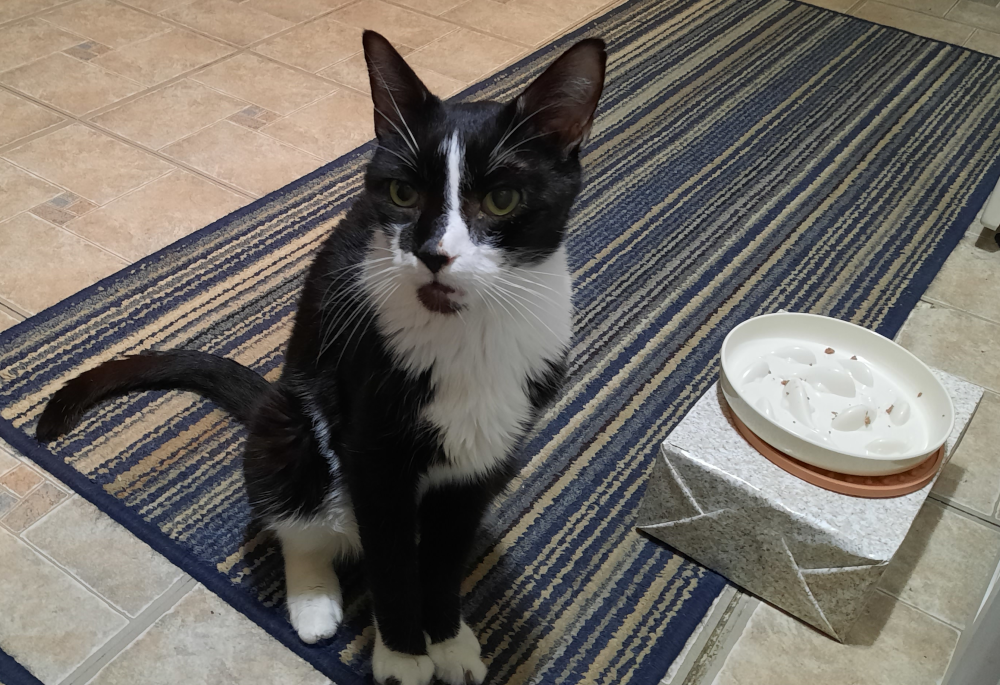 Ask exactly what the pet is eating, including the brand, type, amount, and feeding schedule. Sudden food changes can upset digestion, especially during an already stressful move. Find out whether the animal eats quickly, refuses meals, steals food, guards the bowl, or needs to be fed separately from other pets. Ask about known food allergies, digestive problems, and treats the pet tolerates well.
For diabetic pets, the feeding and insulin schedule must be discussed in detail. Ask what insulin is being used, the current dose, injection times, recent glucose readings, testing method, signs of low blood sugar, and whether the dose has changed recently.
Request copies of glucose curves, laboratory results, insulin records, and feeding logs. A diabetic pet should not be sent home with vague instructions such as “give this much twice a day” without written records and clear guidance from the treating veterinarian.
We have managed feline diabetes with Zippy, who reached remission through tight regulation, and Bentley, who currently receives insulin twice daily. Consistent records matter. BellenPaws offers a free online pet diabetes tracker, printable charts for veterinary visits, and blank glucose curve forms that can help families keep those details organized.
Discuss Compatibility With Children
Ask whether the pet has actually lived with children, not simply whether the rescue believes the animal “should be fine” with them. A calm interaction during a short meeting does not prove that a pet will be comfortable with running, yelling, hugging, grabbing, toys on the floor, or frequent visitors.
Tell the rescue the ages of the children in your home and how much experience they have with animals. Toddlers and young children require especially close supervision because they may not recognize warning signals or respect a pet’s resting space.
Ask whether the animal guards food, toys, beds, doorways, or people. Ask how the pet reacts to sudden movement and loud noise. A rescue should be willing to say that a particular animal is not a safe match for a home with young children. That honesty protects the pet and the family.
Discuss Other Pets Honestly
 Give the rescue a full description of the animals already living in your home. Include species, age, size, sex, activity level, medical concerns, and past reactions to unfamiliar animals. Ask whether the rescue pet has lived with dogs, cats, birds, rabbits, or other small animals. Direct experience is more reliable than a brief test, although even prior experience cannot guarantee future compatibility.
For dogs, ask about leash reactions, chasing, rough play, guarding, and reactions to dogs of different sizes. For cats, ask whether the cat avoids others, seeks company, stalks, blocks access to resources, or becomes stressed in shared spaces.
A pet who lived peacefully with one calm older cat may not tolerate a playful kitten. A dog who enjoys familiar dogs may still react badly to unknown dogs on walks.
Ask how introductions should be handled and whether the rescue offers support if problems appear. Slow separation, scent swapping, barriers, controlled meetings, and multiple resource areas are often more successful than placing animals together immediately.
Clarify Energy and Exercise Needs
Rescue pets are sometimes described according to appearance rather than actual behavior. A small dog can require hours of daily activity. A large dog can be content with moderate walks and a comfortable couch. Ask what the animal does during a normal day. Find out how long the dog can walk comfortably, whether the dog enjoys running or hiking, and whether weather conditions affect activity.
For cats, ask about play style, climbing, scratching, hunting behavior, and nighttime energy. A young, active cat may need several play sessions, climbing areas, scratching surfaces, and regular interaction.
Be honest about your routine. A pet who needs constant activity may struggle in a household where everyone is gone for long periods. A quiet senior pet may feel overwhelmed in a noisy home with frequent gatherings. Matching energy levels prevents a great deal of frustration.
Ask About Training and Household Skills
 Ask which cues the dog knows and where those behaviors have been observed. A dog may sit beautifully in a quiet room but ignore every cue outdoors. Find out whether the dog is house-trained, crate-trained, leash-trained, and comfortable being handled. Ask how long the dog has been left alone without an accident or destructive behavior.
For cats, ask whether the animal consistently uses the litter box and what type of litter and box setup has been used. Find out whether the cat scratches furniture, uses scratching posts, climbs counters, chews cords, or tries to escape through doors.
Avoid expecting perfect behavior during the first few days. Stress can interrupt routines. Even a reliably house-trained dog may have accidents after moving, and a cat may hide or eat less during the adjustment period. The rescue should give you practical expectations rather than promising instant perfection.
Find Out How the Pet Handles Being Alone
Separation-related distress can be emotionally hard for the animal and difficult for the household. Ask whether the pet has been left alone, for how long, and what happened. Signs may include barking, howling, pacing, drooling, scratching doors, breaking out of crates, destroying objects near exits, refusing food, urinating, or becoming frantic when a person prepares to leave.
Ask whether the rescue has video observations or reports from a temporary caregiver. Many signs only appear after the person leaves. A pet with severe separation distress may need a gradual training plan, changes to work schedules, professional behavioral help, or medication prescribed by a veterinarian. That care can be managed, but adopters deserve to know about it before committing.
Understand Grooming and Handling Needs
Ask how the pet responds to nail trims, brushing, bathing, ear cleaning, tooth brushing, injections, eye drops, and veterinary handling. Some animals need regular professional grooming. Long-haired cats may mat if brushing is inconsistent. Certain dogs need frequent coat trimming, ear care, or skin treatment.
Handling tolerance also matters for older pets and animals with chronic illness. A pet who requires daily medication but panics when touched may need a careful plan and help from a veterinary professional. Ask whether sedation has ever been needed for grooming or medical care. That information affects both safety and future expenses.
Ask About Costs the Rescue Already Anticipates
Adoption fees are only the beginning. Ask whether the pet has upcoming medical appointments, vaccine boosters, dental work, surgery, rechecks, prescription refills, or specialist visits. Request realistic estimates when possible.
You should also consider food, litter, grooming, training, parasite prevention, pet deposits, emergency care, and supplies. A giant dog eats more than a small dog. A diabetic cat requires insulin, syringes, testing supplies, and regular monitoring. A senior pet may need prescription food, medication, or more frequent testing. There is no shame in having a budget. Ignoring the budget does not help the animal.
Review the Adoption Contract Carefully
Ask to read the complete adoption contract before the scheduled pickup day. Do not wait until you are standing in a crowded event with an excited family and a pet ready to leave. Check whether the rescue requires the animal to be returned to them if you can no longer provide care. Many groups prohibit private rehoming or surrendering the pet to another shelter.
Look for requirements related to veterinary care, identification, housing, fencing, declawing, outdoor access, breeding, training methods, and home checks. Ask what happens if the adoption does not work. Find out whether fees are refundable, whether there is a trial period, and how quickly the rescue can accept the animal back. A return policy should protect the pet without shaming adopters who report a genuine mismatch.
Ask What Support Is Available After Adoption
The first few weeks can be messy. A pet may hide, pace, refuse food, test boundaries, have accidents, or behave differently after becoming comfortable. Ask who you should contact with medical or behavioral concerns. Find out whether the rescue provides training referrals, adjustment guidance, medical background, or follow-up support.
Ask whether they will remain available if the pet develops behavior that was not seen before adoption. A strong rescue does not disappear once the fee is paid. Support does not mean the rescue can solve every problem. It means there is a clear line of communication and a willingness to share what they know.
Pay Attention to How the Rescue Answers
 The rescue’s attitude can tell you almost as much as the answers themselves. Good signs include detailed records, clear explanations, honest uncertainty, thoughtful questions about your household, and a willingness to slow the process down. A responsible group cares more about placing the pet safely than completing the adoption quickly.
Warning signs include pressure to commit immediately, refusal to provide records, changing stories, vague medical claims, minimizing aggression, discouraging veterinary examination, or making you feel guilty for asking practical questions. Compassion should never require blind trust.
Before signing, write down the rescue representative’s name, emergency contact information, the pet’s current schedule, medication instructions, veterinary details, microchip information, and the exact process for reporting a serious problem after adoption.