


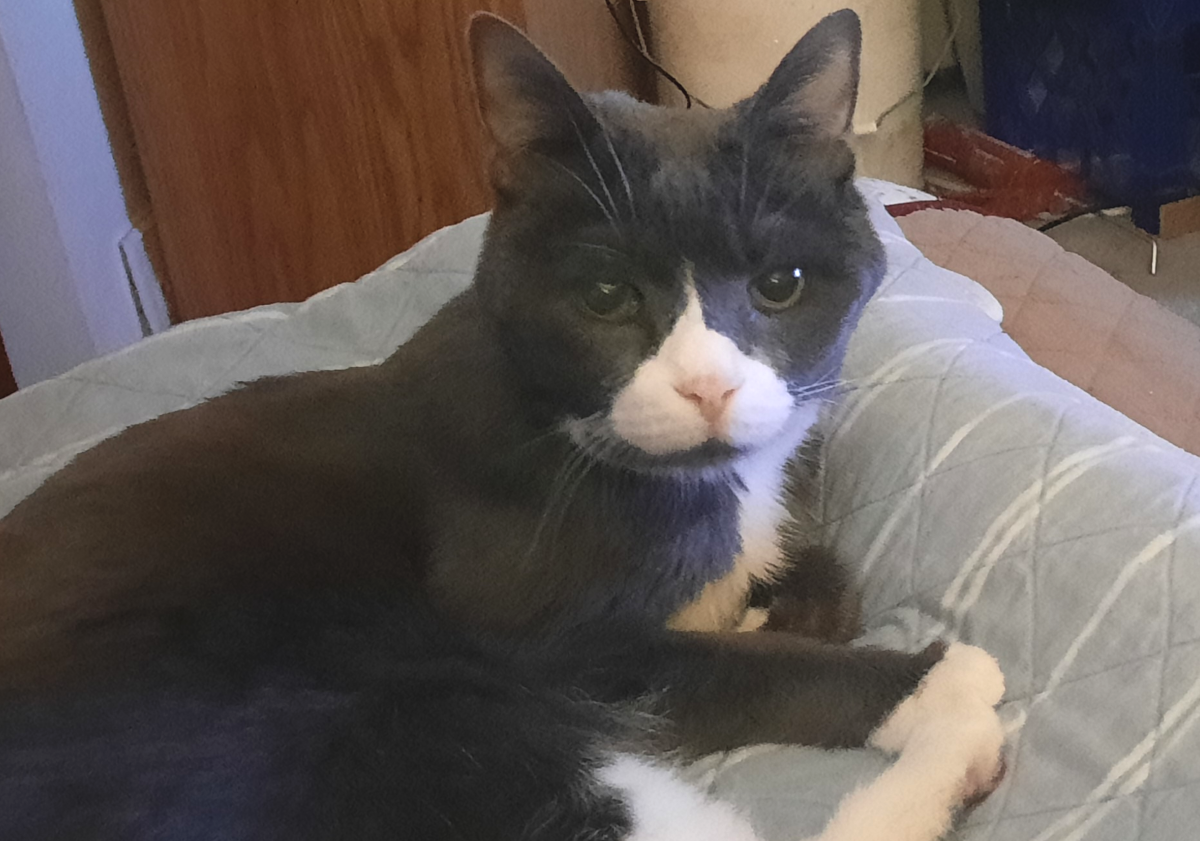
Arthritis changes the way a pet moves through an ordinary day. The couch becomes higher. The hallway feels longer. A polished floor that once meant nothing can suddenly feel like ice under tired feet.
These changes can happen slowly, which makes them easy to miss. A dog may pause before climbing the stairs, circle several times before lying down, or stop following the family from room to room. A cat may still reach the windowsill, but only after studying the jump for several seconds. Some cats simply stop going there. They do not always cry or limp. They adjust their lives around the pain.
That is why the home matters so much. Medication and veterinary treatment may be part of an arthritis plan, but the rooms where a pet eats, sleeps, walks, and uses the bathroom can either support sore joints or make every movement harder.
Start by Watching the Daily Routine
Before buying ramps, beds, or special equipment, spend a few days watching how your pet moves. Look at the whole routine rather than one obvious problem. Notice where your pet hesitates. Watch the first few steps after getting up. Pay attention to slipping, shortened strides, stiff back legs, awkward turns, or reluctance to lower the head toward a bowl. Dogs in pain may avoid slick floors, rise slowly, resist stairs, or stop jumping into the car. Cats may stop grooming hard-to-reach areas, miss the litter box, avoid stairs, or abandon favorite elevated resting spots.
Keep simple notes for a week. Record good days, difficult mornings, unusual accidents, and activities your pet has stopped doing. A phone video of walking, rising, climbing, or using the litter box can also help your veterinarian see changes that may not appear during an office visit.
Home changes should support veterinary care, not replace it. New stiffness, limping, weakness, crying, sudden accidents, or refusal to move deserve a veterinary exam. Arthritis is common, but injuries, spinal problems, neurologic disease, nail pain, and other health conditions can look similar.
Give Slippery Floors Some Grip
 Hardwood, laminate, vinyl, and tile can be miserable for an arthritic pet. The feet slide outward, the muscles tense, and the pet begins walking cautiously. One slip can also create fear that lasts long after the body recovers. The goal is not to carpet the entire house. Create safe travel lanes.
Place non-slip runners, rubber-backed rugs, yoga mats, or interlocking foam tiles along the paths your pet uses most. Start at the bed, then connect the route to food, water, the door, the litter box, and the family’s main sitting area. Veterinary guidance commonly recommends secure rugs and mats because better traction can reduce slipping and make movement feel safer.
Check every rug edge. A curled corner can become a trip hazard. Thin rugs that slide underfoot can be worse than bare flooring, so add proper rug pads or remove them. Nails matter too. Overgrown nails can change how the foot meets the floor, while long fur between a dog’s paw pads can reduce grip. Ask a groomer or veterinary professional for help if trimming is stressful or difficult.
Replace Big Jumps with Small Steps
Many arthritic pets still want access to the couch, bed, porch, car, or favorite window. Their desire remains strong even when their joints are less capable. A stable ramp can preserve that independence. Choose one with a gentle incline, a textured surface, raised side edges, and enough width for your pet to turn or correct a misstep. A steep, narrow ramp may save space, but it can be harder on the body than the jump it was meant to replace.
Pet stairs may work for a small dog or a cat with mild stiffness, but they are not always the best choice for severe arthritis. Deep, low steps are usually easier than short, steep ones. Watch how your pet uses them. A dog who launches from the top step or a cat who skips half the staircase is still placing heavy force on the joints.
Teach the new route slowly. Use treats, calm praise, and a leash or harness when appropriate. Never drag a frightened pet up a ramp. Confidence grows through repetition. AAHA and AVMA senior-care resources recommend ramps, pet stairs, traction, and padded resting areas as practical ways to improve access for older pets.
Make Resting Places Easy to Enter and Leave
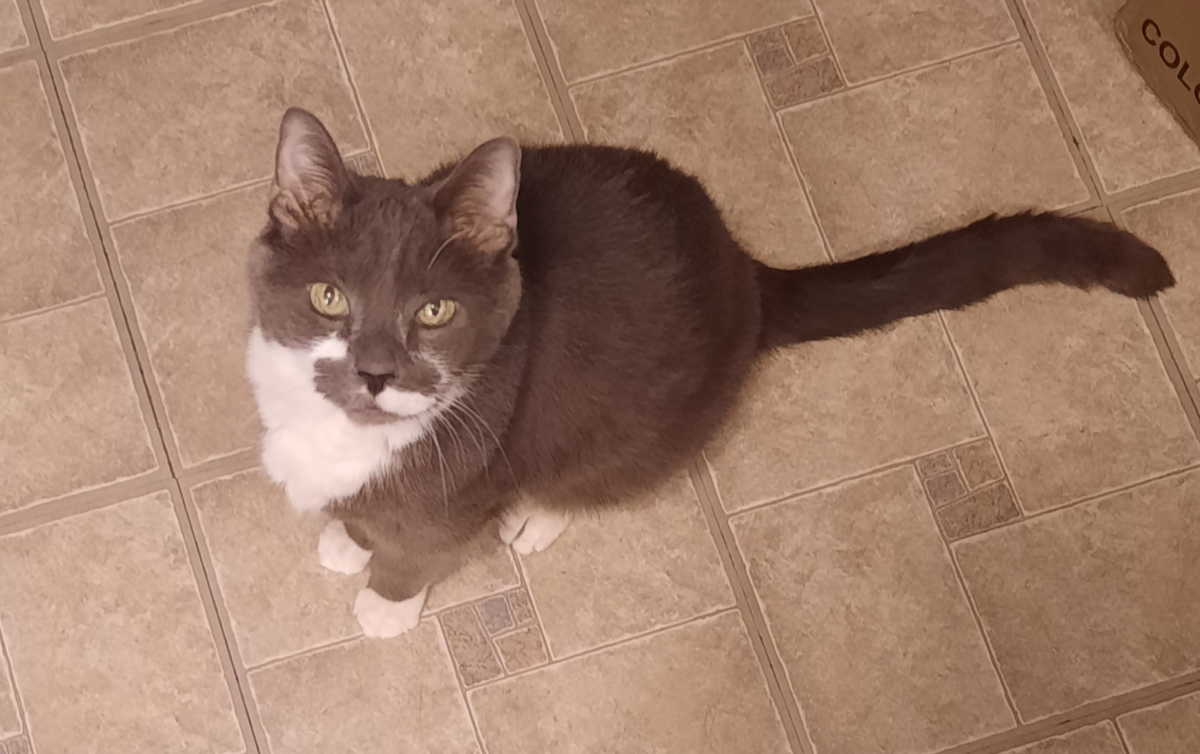 A soft bed is not automatically an arthritic bed. Some deeply cushioned beds collapse around the body and make standing harder. Others have tall bolsters that require a painful step. Look for a supportive bed with a low entrance and a surface that does not sink too deeply. Orthopedic foam can distribute body weight and protect bony areas, especially for thin senior pets. The bed should be large enough for stretching and turning without forcing the spine into a tight curl.
Place beds where life happens. An arthritic pet should not have to choose between physical comfort and family companionship. A bed in the living room, another near the bedroom, and a quiet option away from household traffic can give your pet choices.
Warmth often feels soothing, but heating products require caution. Use only products made for pets, follow the directions, protect cords, and make sure your pet can move away from the heat. Pets with poor mobility, reduced sensation, diabetes, or cognitive changes may not reposition themselves quickly enough if a surface becomes too warm.
Bring Food and Water Within Easy Reach
Food and water stations should be easy to approach from a non-slip surface. A pet should not have to brace the back legs on tile while bending into a bowl. For some dogs, a modestly raised bowl may reduce strain on the neck and front limbs. It is not a universal answer. The best height depends on the pet’s size, posture, medical history, and comfort. A veterinarian can help decide what works for your dog.
Cats often prefer wide, shallow dishes that do not press against the whiskers. An arthritic cat may also benefit from food and water on the floor or on a very low platform rather than a countertop.
Place water in more than one location. Senior pets with kidney disease, diabetes, or other conditions may drink and urinate more often. Easy access saves steps and encourages regular drinking. Keep bowls close enough to reach, but not so close to beds that spills create a slippery patch.
Fix the Litter Box Before Accidents Begin
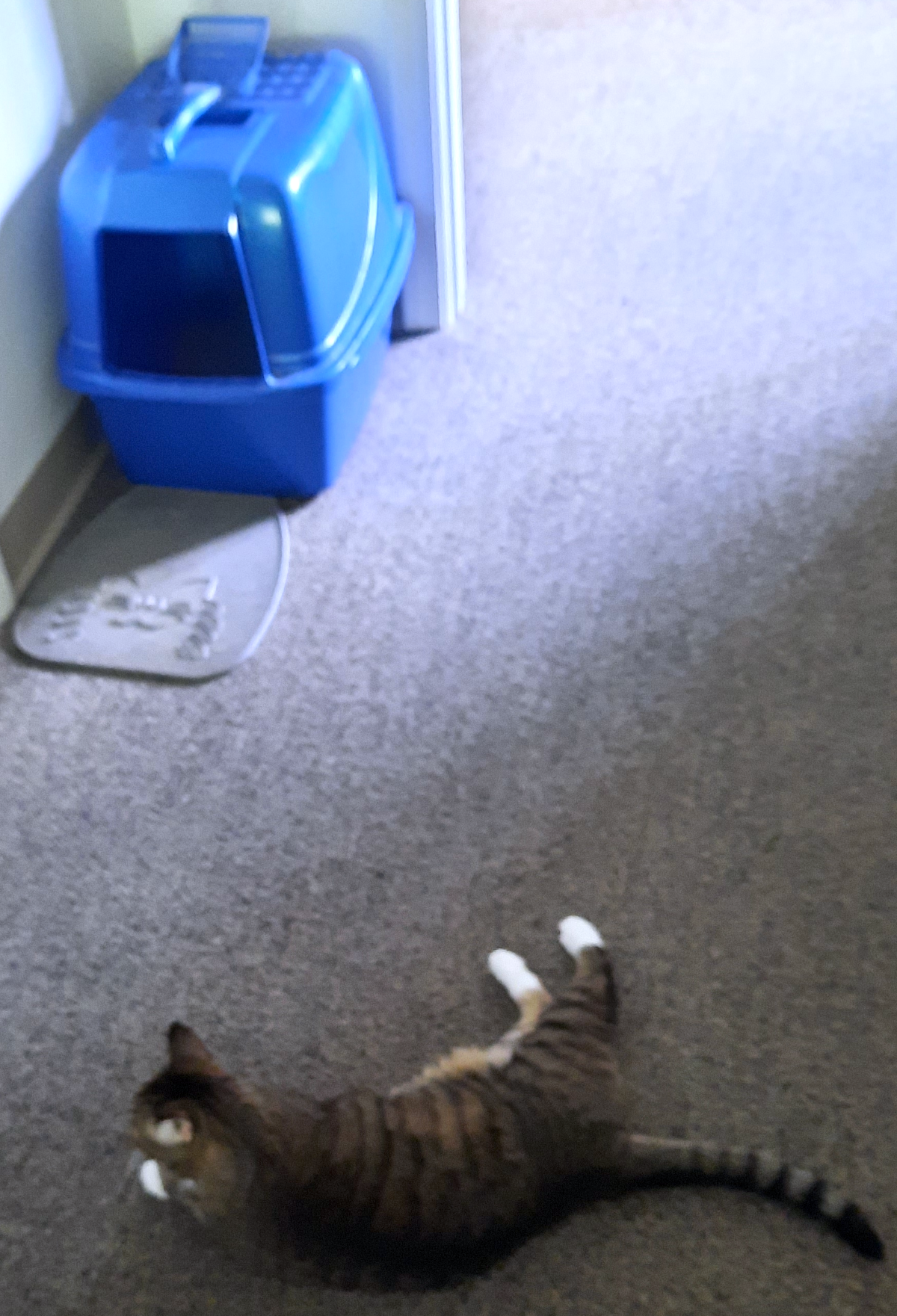 Litter box trouble in an older cat is often blamed on behavior. Pain may be the real reason. A tall-sided box can become a wall. A basement box may require two flights of stairs. A covered box may force a stiff cat to crouch and turn in a cramped space. Cornell’s feline health guidance recommends low-sided boxes and easy access for older cats and cats with joint pain. It also suggests placing boxes on each floor when stairs are difficult.
Choose a large box with a low entry. Some pet parents cut a smooth doorway into a plastic storage container, leaving the other sides high enough to contain litter. Sand every cut edge until it is completely smooth. Use unscented litter with a texture your cat already accepts. Place a non-slip mat outside the box, but avoid rough mats that hurt tender paws. Keep the box clean and well lit.
Accidents still require a veterinary check. Arthritis can contribute, but urinary disease, constipation, kidney disease, diabetes, cognitive decline, and other medical problems may also change litter box habits.
Treat Stairs as a Safety Decision
Stairs can become one of the biggest risks in the home. A pet may manage the climb upward but struggle with the controlled movement required to come down. Use a sturdy gate when unsupervised stair access is unsafe. For pets who still use stairs, add secure traction strips or a firmly attached runner. Improve lighting at both ends and remove clutter.
A support harness can help some dogs, especially on outdoor steps. Choose one that supports the chest, abdomen, or rear end without pressing painfully into the body. A towel under the belly may help in an emergency, but a properly fitted mobility harness is safer for regular use.
Carrying is not always simple. Small pets may panic or twist, and large dogs can injure both themselves and the person lifting them. Ask a veterinary rehabilitation professional to demonstrate safe lifting and support techniques.
Keep Outdoor Trips Predictable
 The yard deserves the same attention as the living room. Wet grass, ice, mud, loose gravel, and steep steps can undo all the traction work inside. Create a short, level route to the bathroom area. Add a ramp over porch steps if needed. Keep the path clear and well lit for nighttime trips. In winter, use a pet-safe ice-melting product and wipe the paws after exposure.
Short, regular walks are often easier than occasional long outings. Movement can help reduce stiffness and maintain muscle, but the amount should be tailored to the pet. VCA recommends frequent, shorter walks for dogs with osteoarthritis rather than long periods of inactivity followed by heavy exercise.
Watch the recovery afterward. Increased limping, heavy panting, reluctance to rise, or unusual fatigue may mean the outing was too much. Your veterinarian can help set a safer activity plan.
Reduce the Need to Travel Through the House
An arthritic pet should not have to cross the entire home for every basic need. Create small comfort stations. A dog may need a bed and water bowl near the family room, plus another bed near the nighttime sleeping area. A cat may need water, a low resting spot, and a litter box on each occupied floor.
Cats still need vertical choices, but those choices can be redesigned. Place a low bench beside a chair, then a sturdy ottoman beside the bench. This creates a gradual route to a favorite spot. Secure every piece so it cannot slide or tip. Keep essential items in consistent places. Older pets may also have reduced vision, hearing, or mental sharpness. Rearranging furniture can make movement harder and increase anxiety.
Protect Arthritic Pets from Well-Meaning Helpers
Children, visitors, groomers, and pet sitters may not understand how fragile an arthritic pet feels. A dog who once loved rough cuddling may now hurt when hugged. A cat who tolerated being picked up may react when pressure is placed under the hips. Show family members how to approach gently. Ask them not to pull a pet by the collar, push the rear end up stairs, or force a stiff limb through a sweater. Let the pet stand before attaching a leash when possible.
Give specific written instructions to pet sitters. Include medication times, lifting rules, safe walking routes, signs of pain, veterinary contacts, and what to do if the pet falls. For diabetic pets such as our Bentley, the plan also needs exact meal, testing, and insulin instructions. BellenPaws offers a free online pet diabetes tracker with printable charts and tables, along with blank glucose curve forms that can help keep those records organized for home care and veterinary appointments.
Recheck the Home as Arthritis Changes
 A setup that works today may not work six months from now. Arthritis can progress, medications may change, muscle strength may decline, and a pet may develop other age-related conditions. Walk through the home at your pet’s eye level every few weeks. Test rugs for movement. Check ramps for wobbling. Look for worn traction, sharp edges, blocked paths, and beds that have flattened. Watch the litter box entrance and the distance to outdoor bathroom areas.
Changes in movement deserve attention even after an arthritis diagnosis. Pain should not automatically be accepted as normal aging. AAHA pain guidance encourages pet parents and veterinary teams to recognize and monitor chronic pain over time, because behavior and mobility can reveal when a care plan needs adjustment.
Never give human pain medicine unless a veterinarian has specifically directed it for that pet. Common household medications can be dangerous or fatal to dogs and cats. Keep all prescriptions secured, follow the label exactly, and report vomiting, appetite loss, diarrhea, unusual thirst, weakness, or behavior changes promptly.
The most useful home improvement may be the next one you notice during an ordinary Tuesday morning. A runner where the paws slip. A lower litter box. A bed moved closer to the family. A light left on beside the stairs. Small changes can return choices to a pet whose world has quietly become harder.