


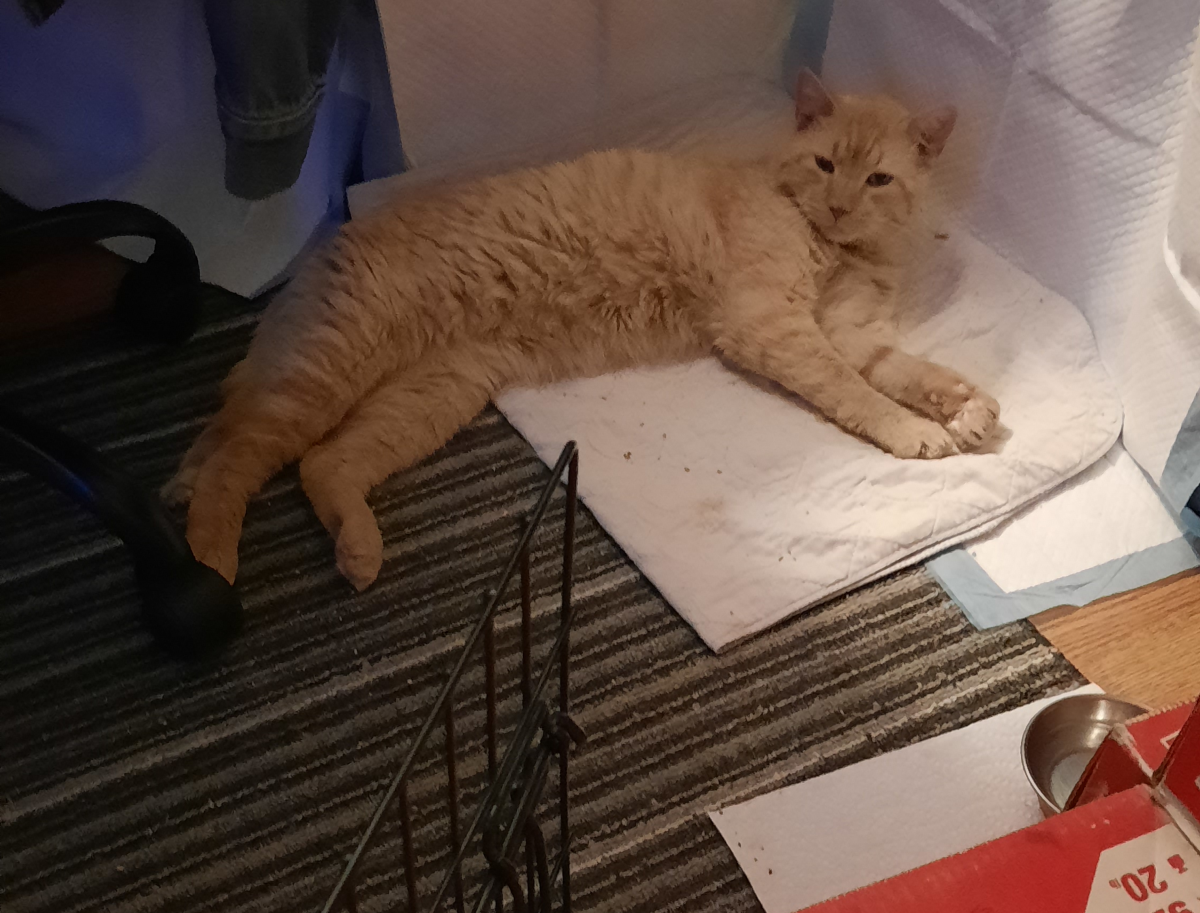
Bringing an outdoor cat inside can look simple from the human side of the door. There is food, warmth, safety from traffic, shelter from weather, and access to medical care. From the cat’s side, however, an unfamiliar room can feel like confinement, especially if that cat has spent months or years surviving by avoiding people and controlling where he hides, eats, sleeps, and escapes.
That is why the first step is not choosing a litter box or buying a cat bed. It is deciding whether the cat in front of you is actually a good candidate for indoor life. Some cats living outdoors are lost or abandoned pets, some are semi-socialized community cats, and some are truly unsocialized adult feral cats. Those cats can behave very differently once a door closes behind them. The ASPCA notes that frightened behavior can sometimes resemble feral behavior, while also advising that genuinely unsocialized community cats are generally better served through humane outdoor management rather than routine placement into homes.
Start by figuring out who this cat really is
 A cat who lives outdoors is not automatically feral. A stray cat may have lived in a home before, may approach people, vocalize, rub against objects near people, accept food at close range, or eventually seek touch. A feral cat, in the behavioral sense used by many cat-welfare organizations, is not accustomed to close human contact and usually avoids it. Alley Cat Allies similarly distinguishes socialized stray cats from unsocialized feral cats and warns that most adult feral cats are poor candidates for traditional indoor adoption.
Behavior observed outdoors is only part of the picture. Fear, injury, hunger, unfamiliar people, trapping, and confinement can temporarily make a socialized cat look much more defensive than he really is. If possible, learn the cat’s history from neighbors, feeders, rescue volunteers, or anyone who has watched him over time. A cat who once belonged to someone, regularly seeks human company, or gradually relaxes around a known caregiver has a much better starting point for an indoor transition than a cat who has spent his entire life avoiding people.
There are also situations where an outdoor cat may need a different plan even if indoor life is difficult. A cat who is injured, ill, unable to defend himself, declawed, blind, or dependent on ongoing medical treatment may not be safe simply being returned outdoors. The ASPCA specifically identifies several of these circumstances as reasons a community cat may not be appropriate for return to the place where he was found. In those cases, a veterinarian and an experienced cat rescue or community-cat organization can help weigh medical needs, behavior, housing options, and long-term welfare.
Arrange veterinary care before full household access
 An outdoor cat with an unknown medical history should have veterinary care built into the transition plan. The exact timing depends on how safely the cat can be handled, whether he was trapped through a TNR program, and whether urgent medical problems are visible. If the cat cannot be touched safely, tell the veterinary clinic in advance that you are dealing with a fearful or possibly feral cat so they can plan handling and transport appropriately.
A veterinarian can assess body condition, injuries, dental problems, skin and coat issues, parasites, reproductive status, vaccination history, and other concerns that may not be obvious from a distance. Vaccination recommendations should be based on the cat’s history, age, health, local requirements, and expected future exposure. Current AAHA and AAFP guidance recommends core vaccination for cats with unknown histories and bases additional vaccine decisions on individual risk.
Your veterinarian may also discuss testing for feline leukemia virus and feline immunodeficiency virus, especially if the cat’s background is unknown or he will eventually live with other cats. The AAFP’s retrovirus guidance treats testing as part of individualized feline medical care rather than something that should be interpreted casually from a single situation or result. Keep the new cat separated from resident cats until you and your veterinarian have a sensible medical and introduction plan.
Give the cat one small room, not the whole house
The most common mistake I see people make with frightened cats is offering too much space too quickly. A whole house may feel generous to us, but to a cat who has never lived there it creates dozens of unknown sounds, smells, people, doorways, and hiding places. A quiet bedroom, office, or other secure room is usually a better starting point.
Ohio State University’s Indoor Pet Initiative recommends creating a refuge with the cat’s basic resources in one low-traffic area. That space should include food, water, a litter box, safe hiding places, a scratching surface, somewhere elevated to perch, a comfortable resting area, and appropriate toys. The room becomes a predictable territory the cat can learn before being asked to understand the rest of the home.
Block access to dangerous hiding places before the cat arrives. A frightened cat can squeeze behind appliances, into recliners, inside damaged walls, under cabinetry, or into other spaces where retrieval becomes stressful for everyone. Give him acceptable hiding choices instead, such as sturdy cardboard boxes, covered beds, open carriers with bedding, or a cat tree with an enclosed cubby. Hiding is normal feline behavior under stress, and allowing a cat to retreat safely can help him feel less threatened.
Make the room predictable before trying to make the cat affectionate
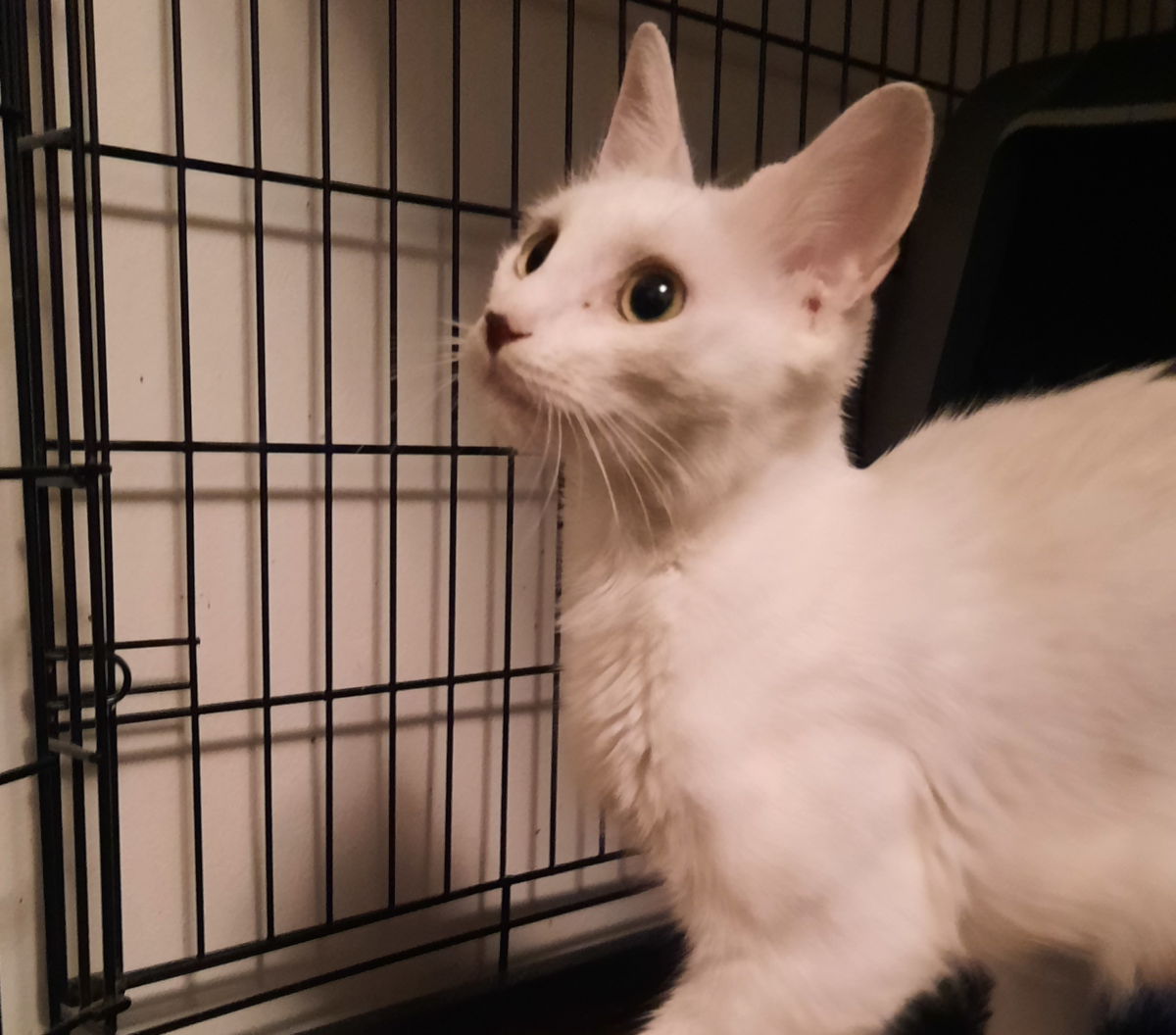 The early goal is not petting. It is helping the cat learn that indoor life follows a pattern and that nothing bad happens when you enter the room. Feed at consistent times, scoop the litter box quietly, refresh water, speak softly, and spend short periods in the room without demanding interaction.
For a very wary cat, I would rather sit several feet away and read, work on a laptop, or speak in a calm voice than repeatedly reach toward him. Cats need some control over social contact. Current feline environmental guidance emphasizes predictable, positive human interaction that is adjusted to the preferences of the individual cat, along with familiar spaces, hiding options, and gradual exposure to unfamiliar sights, sounds, and smells.
Food can help build positive associations, but it should not become a contest of wills. Place the meal where the cat is willing to eat, then gradually remain closer over time if he stays relaxed. Some cats begin eating in your presence within days, while others need much longer. Progress is better measured by reduced fear than by whether the cat allows touch.
Small changes often tell you more than dramatic milestones. A cat who begins grooming normally, resting in the open, stretching, scratching, playing when you are present, slow-blinking, approaching food sooner, or remaining in place when you enter may be showing that the room feels safer. A cat who spends every moment trying to escape, injures himself against doors or windows, refuses food, remains intensely panicked, or becomes more distressed over time needs a reassessment rather than more pressure.
Teach litter box habits without assuming the cat already understands them
Many outdoor cats take to litter boxes quickly because burying waste in loose material is natural feline behavior, but the setup still matters. Start with a large, uncovered box in an easy-to-reach location, using an unscented litter that is comfortable under the paws. Keep it away from food and water, and keep it clean enough that the cat does not have to choose between a dirty box and another corner of the room.
If the cat eliminates outside the box, treat that as information rather than defiance. The box may be too small, too exposed, too dirty, too close to a noisy appliance, or filled with a substrate the cat dislikes. Medical problems can also contribute to inappropriate elimination, so sudden or persistent changes deserve veterinary discussion instead of punishment.
Replace outdoor choices with indoor choices
Outdoor cats spend much of their time deciding where to go, where to watch, where to hide, and when to hunt or patrol. Indoor life becomes easier when those behavioral opportunities do not disappear completely. Vertical space, window perches, scratching surfaces, hiding spots, puzzle feeders, short play sessions, and rotating toys give the cat more ways to control his day.
The AAFP’s current indoor-outdoor position states that indoor-only cats need access to food, water, safe resting areas, vertical space, play, hunting or foraging opportunities, and appropriate toileting areas. It also recognizes controlled outdoor access, such as a secure enclosure or properly managed harness outings, as an option for some cats.
A catio can be especially useful for a cat who becomes comfortable indoors but remains strongly interested in outdoor smells, sounds, and sunshine. It should be secure enough that the cat cannot push through screening, squeeze through gaps, or escape during entry and exit. Harness walks work for some cats, but they are not a requirement and should not be forced on a cat who finds restraint frightening.
Expand territory slowly
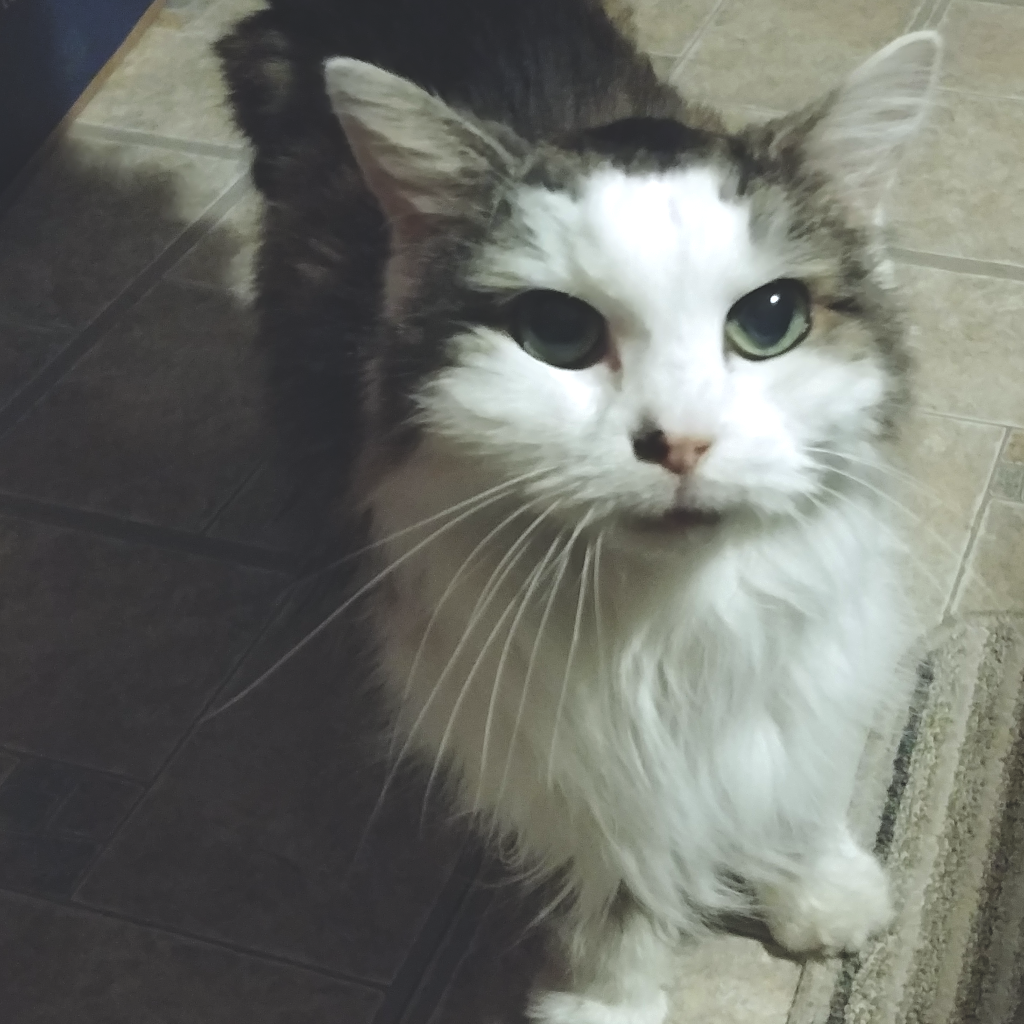 Once the cat is eating reliably, using the litter box, resting normally, and moving around the refuge without constant panic, you can consider giving him access to more of the home. There is no universal timetable. A socialized stray may be eager to explore within days, while a fearful cat may need weeks before another room feels manageable.
Open access gradually and keep the original refuge available. That room remains the cat’s known territory and gives him somewhere to retreat when the rest of the home feels overwhelming. Keep exterior doors and windows secure because a cat accustomed to outdoor freedom may make a determined attempt to return outside during the early stages of transition. Ohio State specifically recommends maintaining the refuge and allowing the cat to venture outward at his own pace.
If other cats or dogs live in the home, do not combine household expansion with immediate face-to-face introductions. Start with physical separation and scent exchange, then move through visual and direct contact gradually as the animals remain comfortable. The Indoor Pet Initiative recommends slow introductions rather than placing unfamiliar animals together and expecting them to work things out on their own.
Let the cat set the pace of physical contact
A cat can live safely indoors before he becomes comfortable being touched. Reaching over his head, cornering him, dragging him from hiding, or repeatedly trying to pick him up may confirm his belief that people are dangerous. Even a cat who begins rubbing against furniture near you may not yet be ready for hands.
Allow approach whenever possible. You can offer a hand low and to the side rather than reaching directly at the face, then stop if the cat backs away, flattens his ears, lashes his tail, freezes, growls, hisses, or swats. Some cats first accept brief cheek or chin contact, while others spend a long time simply sharing space with a person. Indoor success should not be measured by whether the cat becomes a lap cat.
This is where expectations matter most. Some formerly outdoor cats eventually sleep on the bed, follow their people from room to room, and behave much like any other house cat. Others remain shy, dislike being held, retreat when visitors arrive, or prefer interaction on their own terms. A safe, stable indoor life does not require a personality transplant.
Know when the transition may be causing more harm than benefit
 A truly feral adult who has lived independently outdoors for years may never become comfortable with close human confinement. Major cat-welfare organizations caution against assuming that every adult feral cat should be socialized into an indoor pet. For healthy, established community cats who are thriving in a managed outdoor territory, TNR and continued outdoor care may be a better welfare choice than indefinite indoor confinement.
That does not mean giving up on a cat simply because the first days are difficult. Fear after trapping or relocation is expected, and a previously socialized cat may need substantial time before his normal behavior appears. The harder question is whether the cat shows a gradual trend toward eating, resting, exploring, grooming, playing, and tolerating human presence, or whether confinement continues to produce severe distress with little sign of adaptation.
If you are unsure, involve people who can assess the whole situation rather than relying on a label. A veterinarian can address pain, illness, appetite changes, injuries, and other medical factors. An experienced community-cat group or qualified feline behavior professional can help interpret behavior and discuss whether indoor placement, a protected enclosure, managed outdoor care, or another arrangement better fits that particular cat.
Build trust around routine, not a deadline
The outdoor-to-indoor transition works best when the cat is allowed to learn the household in layers. First comes physical safety, then a small predictable territory, then routine, then wider exploration, and only as much social contact as the cat can comfortably handle. Trying to skip those steps often creates more work because frightened cats learn quickly from experiences that make them feel trapped.
Over decades of caring for cats from many backgrounds, one lesson has stayed consistent for us: progress is easier to see when you stop measuring it against the cat you hope to have and start watching the cat who is actually in front of you. A formerly outdoor cat does not need to become bold, cuddly, or socially effortless to have a good indoor life. What matters is whether he is becoming secure enough to eat, rest, play, eliminate normally, move through his environment without constant fear, and build a relationship with people at a pace he can tolerate.