

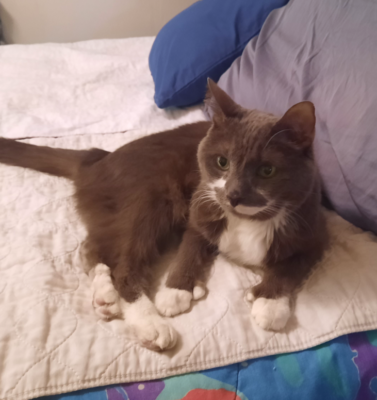
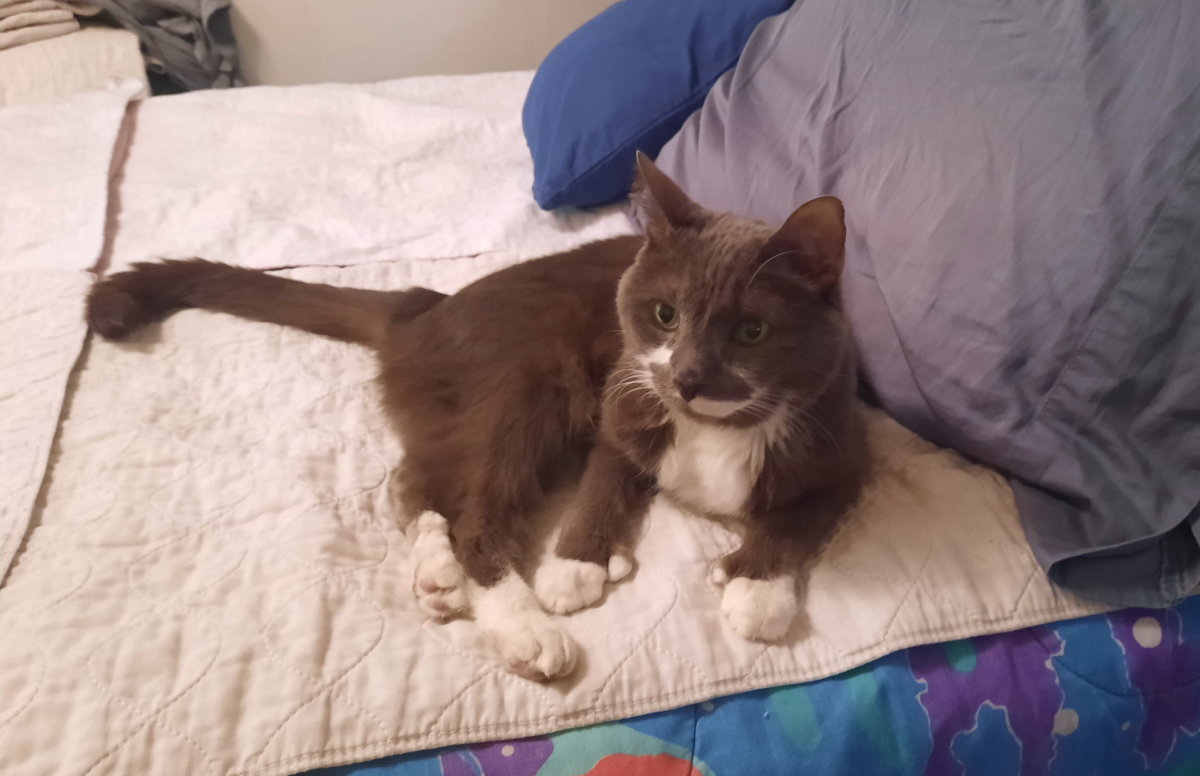
Adopting a senior dog or cat can be one of the most rewarding choices a person makes, but it should be made with open eyes. Older rescue animals often arrive with a history that is incomplete, a body that has already accumulated years of wear, and needs that may not become obvious until they have been home for a while. None of that means a senior pet is a poor choice. It means the commitment may look very different from bringing home a young, healthy animal.
We have cared for aging and medically complicated pets for decades, and one lesson has repeated itself: the difficult part is rarely love. The harder part is being ready for appointments, medications, testing, mobility changes, disrupted routines, unexpected expenses, and decisions that sometimes arrive sooner than anyone hoped. A senior rescue deserves the same enthusiasm as any other adoption, but that enthusiasm is stronger when it is paired with a realistic plan.
A Senior Pet May Come With an Incomplete Medical Story
Rescue organizations and shelters can only pass along the information they have. Some senior animals arrive with years of veterinary records, known diagnoses, medication histories, and detailed notes about behavior. Others may come in as strays, owner surrenders with limited documentation, or animals whose previous medical care is simply unknown.
That uncertainty matters because a dog or cat can look reasonably well while still having early disease that has not yet produced obvious signs. The American Animal Hospital Association recommends a more detailed approach to senior care, including regular physical examinations and, for many senior dogs and cats, blood testing and urinalysis every six to twelve months. Screening is intended to establish a baseline and identify changes that may not yet be visible at home.
Before adoption, ask for every record the rescue has, including recent bloodwork, urinalysis, dental history, vaccine records, parasite testing, medication lists, prior surgeries, known lumps or masses, mobility concerns, appetite changes, and any history of excessive drinking or urination. If the record is thin, that does not make the pet unsuitable. It simply means the first veterinary visit may need to answer more questions.
The First Few Months Can Be More Expensive Than Expected
 The adoption fee is often the smallest part of the financial picture. A senior pet may need an initial examination, baseline laboratory testing, prescription medications, dental care, diagnostic imaging, treatment for an existing condition, or follow-up testing after an abnormal result. Sometimes several of those expenses arrive close together.
Older pets are also more likely to have more than one medical problem at the same time. AAHA notes that senior dogs and cats may have concurrent conditions, which can make diagnosis and long-term care more complex. A pet with arthritis may also have kidney disease, dental disease, heart disease, endocrine disease, or another condition that changes which medications or procedures are appropriate.
That is why we prefer to think in terms of a senior-care budget rather than a single veterinary bill. The question is not only whether the household can cover one examination. It is whether there is room for repeat bloodwork, medications that may continue indefinitely, a dental procedure, an urgent visit, or referral testing if the veterinarian finds something that needs a closer look.
Pet insurance may help in some situations, but coverage for older pets can be more expensive and pre-existing conditions are commonly excluded under many policies. An emergency fund, dedicated savings account, or financing plan may be more practical for some households. The right answer depends on the family, but planning before the need arises is much easier than trying to invent a financial plan during a medical scare.
Dental Care Can Become a Major Part of Senior Care
Dental disease is easy to underestimate because much of the problem can exist below the gumline. AAHA recommends that the mouth be examined at every veterinary visit for senior pets, with attention to periodontal disease, broken or resorbing teeth, oral masses, and discomfort while eating. Dental radiographs may reveal problems that cannot be seen during a simple awake examination.
A senior dog or cat may therefore need professional dental treatment soon after adoption even if the animal is eating. That can involve pre-anesthetic testing, anesthesia, dental X-rays, cleaning, extractions, pain medication, and follow-up care. Age by itself does not automatically rule out anesthesia. AAHA specifically notes that advanced age alone is not a contraindication, although older animals should be evaluated for conditions that may increase anesthetic risk.
For an adopter, this is another reason to ask whether the rescue has had the mouth evaluated and whether a dental procedure has been recommended. A senior pet with significant dental disease may feel noticeably better after appropriate treatment, but the cost and recovery time should not be a surprise if the need was already suspected.
Medication and Monitoring Can Change the Household Schedule
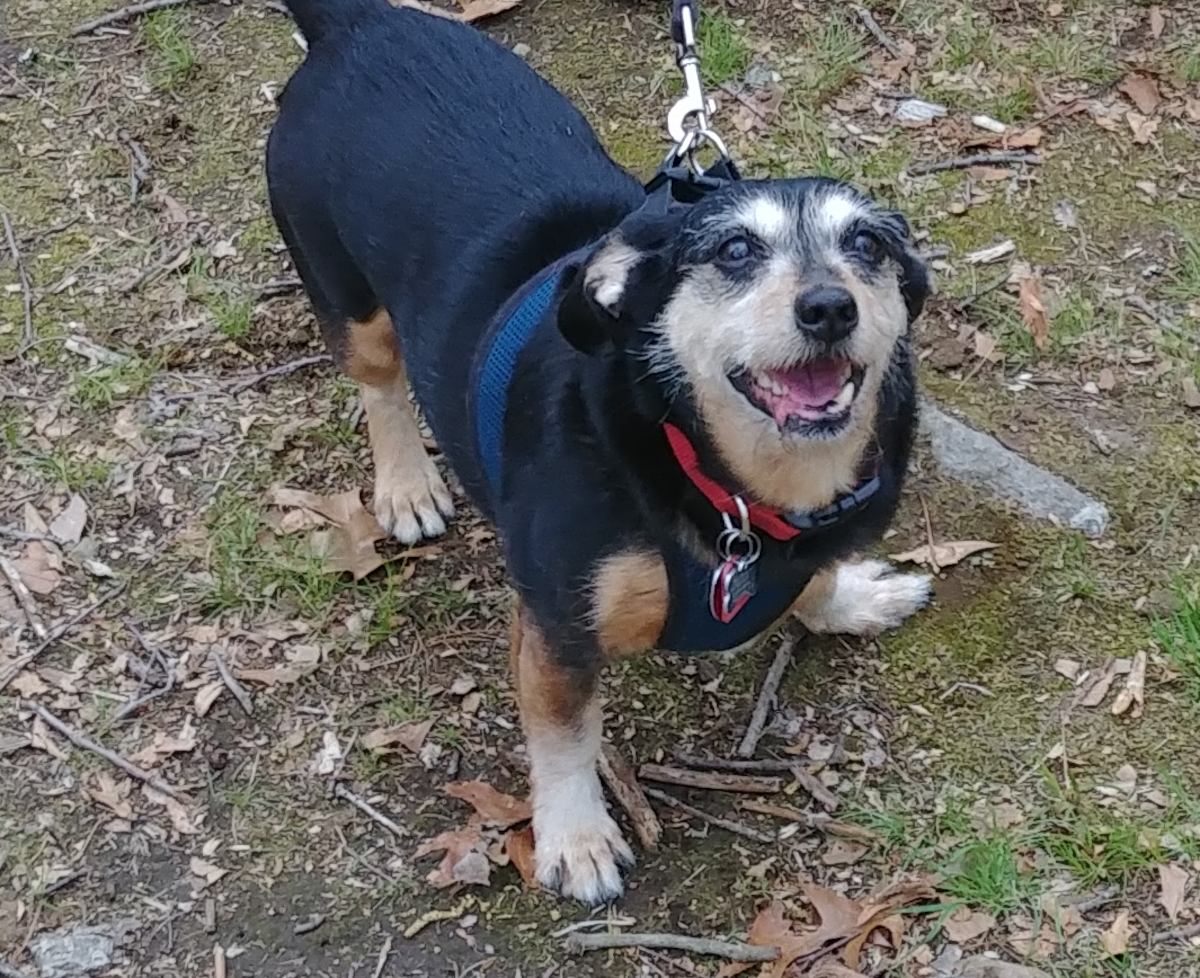 Some senior pets need nothing more complicated than routine preventive care. Others may need pills once or twice daily, eye drops, injections, prescription diets, blood pressure checks, glucose monitoring, fluid therapy, mobility support, or carefully timed meals. The actual routine depends on the diagnosis and should be worked out with the veterinarian.
The time commitment can be easy to underestimate. A medication that must be given every twelve hours affects mornings, evenings, work schedules, weekends, travel, and who can care for the pet when the owner is away. A cat that needs regular blood glucose checks or a dog that needs help standing may require someone in the household to become comfortable with hands-on care that was never part of the original adoption plan.
This does not mean the routine is impossible. Many complicated care schedules become surprisingly normal once everyone settles into them. Still, adopters should be honest about work hours, travel frequency, physical limitations, and whether another person can step in if the primary caregiver is sick or away.
Behavior Changes May Be Stress, Pain, Sensory Loss, or Disease
A senior rescue may not behave at home the way the animal behaved in a shelter or temporary placement. New surroundings, unfamiliar people, other animals, different feeding times, stairs, flooring, household noise, and a new sleeping area can all affect behavior. Cats in particular may need a quiet refuge and time to become comfortable with a new environment.
Age adds another layer because behavior changes can sometimes reflect physical discomfort or illness rather than personality. Older pets may experience arthritis, dental pain, reduced hearing or vision, cognitive changes, or diseases that alter appetite, thirst, elimination, sleep, or activity. Cornell advises that changes in an older cat’s behavior or physical condition should not automatically be dismissed as normal aging, and AAHA similarly emphasizes that chronic pain can appear as subtle changes in behavior.
That distinction matters after adoption. A cat that stops using the litter box may have difficulty stepping over a high side or walking to a box on another floor. A dog that growls when lifted may be frightened, but pain is another possibility that deserves veterinary attention. Keeping short notes about eating, drinking, elimination, sleep, mobility, and unusual behavior can help a veterinarian see patterns that are harder to remember during an appointment.
Your Home May Need to Change With the Pet
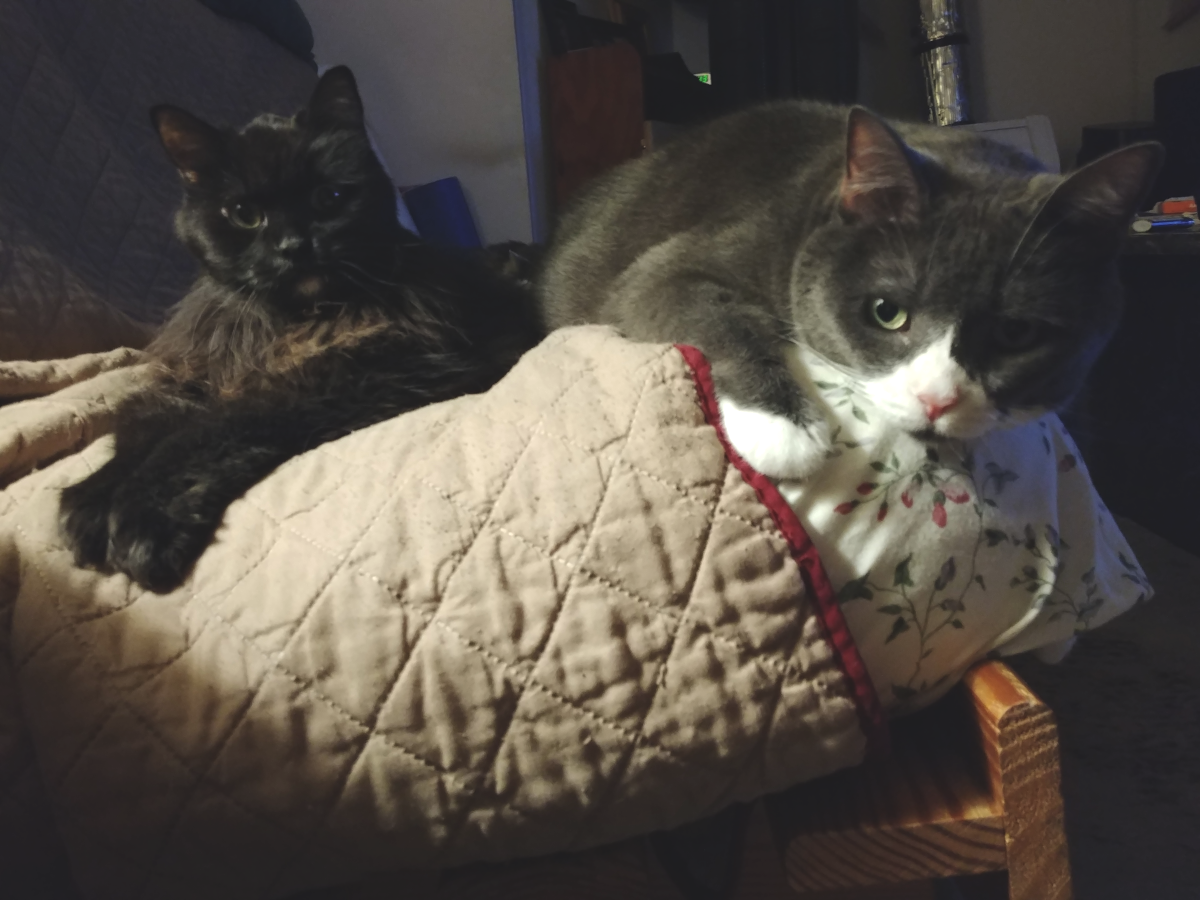 Senior pets often do better when the home is adjusted to what their bodies can comfortably manage. Slippery floors can become difficult for a dog with weak hind legs. A cat with arthritis may stop jumping onto a favorite bed or may avoid a litter box with high sides. Stairs, pools, decks, and furniture that once seemed harmless can become hazards when vision, balance, or strength decline.
AAHA recommends practical modifications such as nonslip surfaces, ramps, accessible bedding, low-entry litter boxes, supportive harnesses, and thoughtful placement of food and water. These changes are often simple, but they can involve additional purchases and rearranging parts of the house.
The physical side of caregiving matters too. Helping a ten-pound cat into a carrier is one thing. Supporting a large dog that can no longer rise easily, lifting the dog into a vehicle, or helping with toileting can become physically demanding. People with back problems, limited mobility, or no one else in the household should consider that possibility before adopting a large senior animal.
Caregiver Fatigue Is Real
There can be a point where love for an animal and exhaustion exist at the same time. Repeated appointments, interrupted sleep, cleaning accidents, preparing special meals, administering medication, watching for changes, and worrying about the next setback can wear on a person. AAHA’s senior-care guidance specifically recognizes caregiver burden and notes that caring for an older pet can require time, patience, money, and physical and emotional stamina.
Acknowledging that before adoption is not pessimistic. It gives a household a chance to build support. That might mean identifying a pet sitter who can administer medication, finding a veterinary practice with hours that work with the owner’s schedule, deciding who can transport the pet in an emergency, or talking with family members about how daily care will be shared.
A good plan also includes permission to ask the veterinary team for simpler options when care becomes difficult. Sometimes medication can be compounded into a different form, appointment schedules can be coordinated, or the care plan can be adjusted around what the animal needs most and what the caregiver can reasonably provide. Those conversations are part of responsible long-term care.
The Emotional Timeline May Be Shorter Than You Want
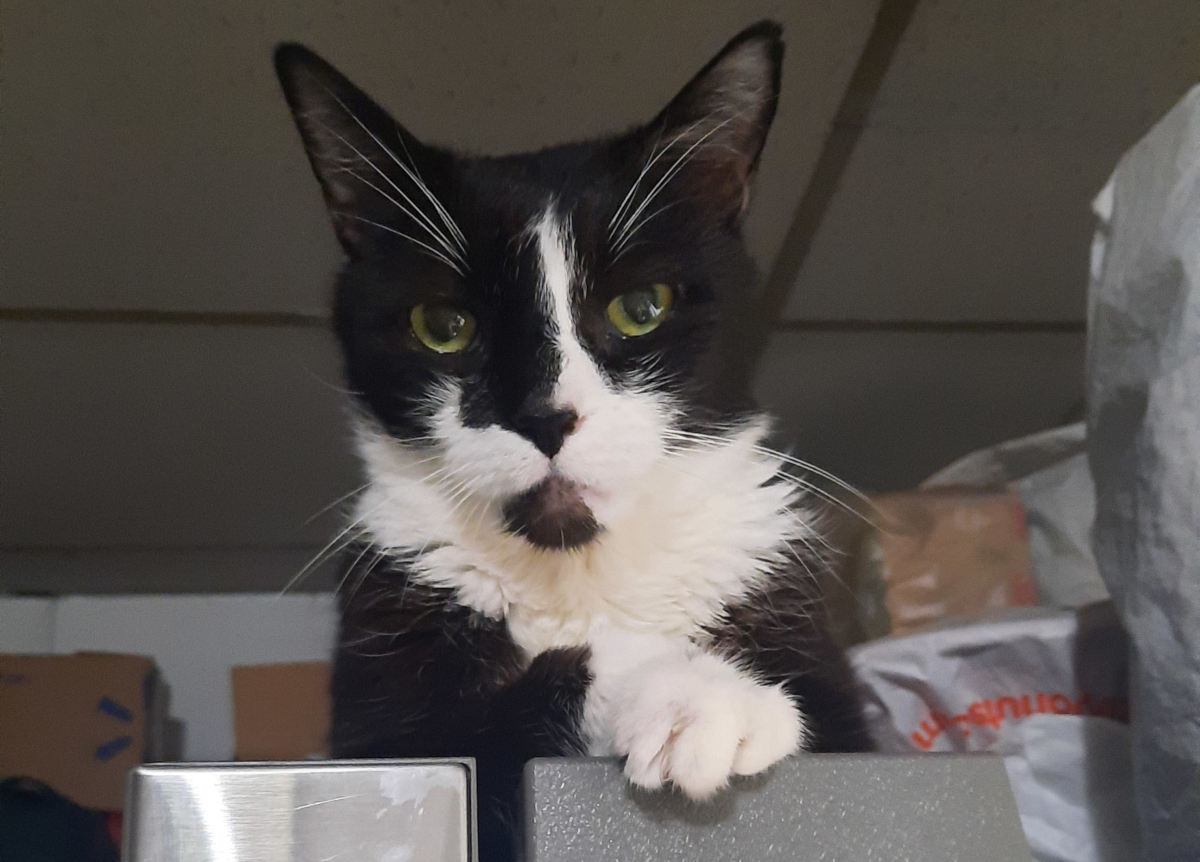 One of the hardest realities of senior adoption is that the length of the relationship is uncertain. A senior pet may have several good years ahead, or a serious diagnosis may appear months after adoption. No shelter, rescue group, veterinarian, or adopter can promise how much time remains.
That uncertainty can be especially difficult for someone who has recently lost another pet or who expects an adoption to provide many years before facing end-of-life decisions again. Senior adoption sometimes compresses the entire arc of caregiving. The adjustment period, deep attachment, chronic care, quality-of-life discussions, and loss may all occur closer together than they would with a younger animal.
None of that makes the relationship less worthwhile, but it does make emotional readiness part of the decision. A person who knows they are not prepared to face another serious illness soon is not a bad person for choosing a younger pet. Matching the animal’s likely needs with the adopter’s actual capacity is better for both of them.
Questions Worth Asking Before You Say Yes
A rescue may not know every answer, but asking the questions can reveal what is already known and what still needs to be investigated. Before committing, consider asking:
- When was the pet’s most recent veterinary examination, and are the records available?
- Has recent bloodwork or urinalysis been performed?
- Is the pet taking any medications or supplements?
- Are there known dental, mobility, vision, hearing, heart, kidney, endocrine, urinary, or neurologic concerns?
- Has the pet had changes in weight, appetite, thirst, urination, bowel habits, sleep, or activity?
- How does the pet handle stairs, slippery floors, car rides, carriers, grooming, nail trims, and being touched?
- Is there any known history with children, dogs, cats, or being left alone?
- Has a veterinarian recommended follow-up testing, surgery, dental care, or specialist evaluation?
- What food is the pet currently eating, and are there feeding restrictions?
- Does the rescue provide any post-adoption medical support or access to existing veterinary records?
Once the adoption is complete, scheduling a veterinary visit fairly early gives the new veterinarian a chance to review those records, examine the pet, establish baseline findings, and decide what screening is appropriate. Senior care is individualized, and not every test or treatment is necessary for every animal. The point is to replace as much uncertainty as possible with useful information.
Senior Rescue Works Best When the Commitment Is Honest
A senior rescue does not automatically mean constant illness, enormous veterinary bills, or a home turned into a treatment room. Many older dogs and cats settle in beautifully and spend years enjoying ordinary routines, comfortable beds, meals, walks, windows, naps, and companionship. Old age itself is not a disease, and veterinary guidance emphasizes maintaining quality of life rather than treating aging as something inherently wrong.
Still, senior adoption asks for a particular kind of readiness. The adopter may need to spend more money sooner, learn medical routines, make the home easier to move through, adjust travel plans, and accept that health can change quickly. Going in prepared does not take anything away from the joy of bringing an older rescue home. It gives that animal something even more valuable than good intentions: a household that has thought seriously about what saying yes may require.