



A home with several cats and several dogs can look complicated from the outside. There are different personalities, different ways of communicating, different feeding needs, different energy levels, and sometimes a fairly impressive amount of fur. Yet sharing a home with multiple animals from both species is entirely possible when the household is built around the needs of the individuals living in it rather than the assumption that cats and dogs are destined to be enemies.
Years of caring for cats and dogs teaches you fairly quickly that the number of animals is only part of the equation. Four compatible animals with adequate space and well-managed routines may live together more peacefully than two animals whose personalities are badly matched. The goal is not to make every cat and dog become friends. The goal is to create a home in which each animal can eat, sleep, play, move around, seek attention, and get away from everybody else when needed.
The Number of Pets Is Not the Whole Story
People sometimes look for a simple rule about how many cats and dogs can live successfully in one house, but household compatibility cannot be reduced to a specific number. Space matters, but so do temperament, age, health, activity level, previous experience with other animals, and the amount of time the people in the home can devote to daily care.
A young, energetic dog may be perfectly friendly and still be overwhelming to an elderly cat. A confident adult cat accustomed to dogs may barely react to a calm canine housemate, while another cat may become stressed simply from having a dog repeatedly pass through its preferred resting area. Similar differences occur between dogs. Veterinary behavior guidance recommends considering personality, activity level, health, social behavior, and previous interactions rather than assuming that any two animals will automatically adjust to one another.
This becomes even more significant as the household grows. Adding another animal does not create only one new relationship. A third pet changes the social arrangement among all three animals, and a fourth creates still more combinations. That does not mean a larger household is destined for conflict. It means the people managing the home need to pay attention to individual relationships instead of thinking of everyone as one big pack.
Start With Temperament, Not Cat Versus Dog
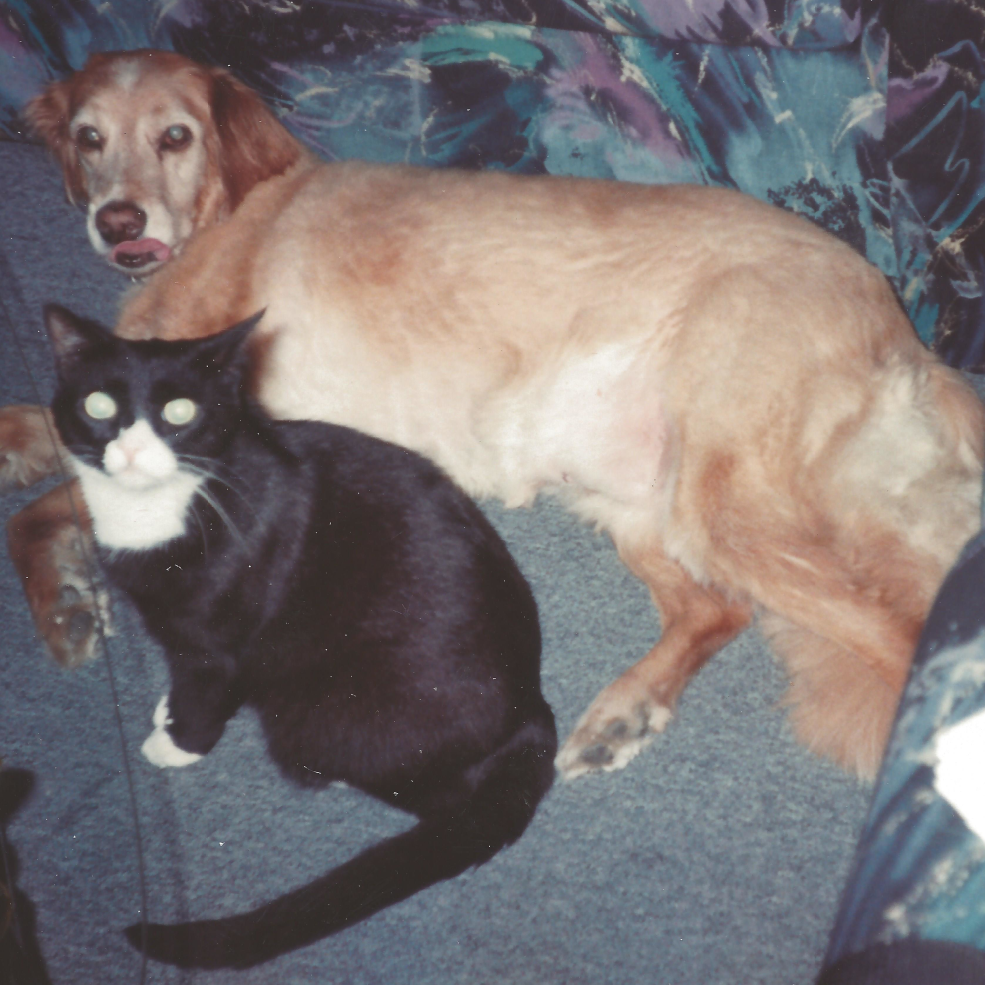 The old image of cats and dogs automatically fighting each other is not a useful way to plan a household. Dogs vary tremendously in their response to cats, and cats vary just as much in their tolerance of dogs. Some dogs have little interest in cats. Others want to investigate them constantly, and some may have a strong tendency to chase moving animals.
The same variation exists between members of the same species. Two cats may sleep together every afternoon, tolerate each other without much interaction, or actively avoid one another. Two dogs may become close companions or simply prefer different parts of the house. Successful coexistence does not require affection.
Past experience can provide information, but it is not a guarantee. A dog that previously lived peacefully with one cat will not necessarily accept every cat, and a cat that tolerated one dog may react differently to another. The RSPCA specifically advises that previous experience with another species should not be treated as proof that a new pairing will work, which is one reason careful introductions remain valuable even with animals considered cat-friendly or dog-friendly.
Introductions Should Be Slow and Layered
One of the easiest ways to create unnecessary trouble is to bring a new animal home, place everyone in the same room, and expect them to work things out. A slow introduction gives each pet time to process new scents, sounds, movements, and routines without being forced into direct contact before they are ready.
For cats, that commonly begins with a separate room containing food, water, resting areas, scratching opportunities, and a litter box. Scent can be exchanged between animals before visual contact begins. Once everyone is responding calmly, controlled visual contact through a secure gate, screen, or similar barrier can follow. Supervised face-to-face interaction comes later, with dogs initially restrained so that a sudden movement by the cat cannot immediately turn into a chase.
There is no useful prize for completing this process quickly. Some animals progress comfortably within days, while others need weeks or longer. RSPCA guidance for cat introductions notes that adjustment can take anywhere from about a week to several months. Moving more slowly is usually easier than repairing a relationship after one frightening encounter.
Introducing multiple animals also does not mean everyone needs to meet simultaneously. In a household with several resident pets, controlled individual introductions can make it easier to see exactly how each animal responds. A cat that is relaxed around one dog may be uneasy around another, and that difference is useful information.
Cats Need Places Dogs Cannot Control
 A mixed-species household should never require a cat to pass a dog every time it needs food, water, a litter box, or a safe sleeping place. Cats benefit greatly from having choices about where they go and how they get there.
Vertical space is especially useful. Cat trees, sturdy shelves, window perches, furniture arrangements, and other elevated areas can increase the usable territory inside a home without adding another room. These places also allow cats to observe dogs without being physically approached. Veterinary behavior guidance for multi-cat homes similarly recommends multiple separated resources and access to resting, hiding, scratching, feeding, drinking, and toileting areas without another cat being able to block them.
Escape routes deserve just as much attention as elevated resting spots. A cat should not have to enter a dead-end location where a dog or another cat can trap it. Even without a fight, repeatedly being cornered or blocked can create stress.
Baby gates can be remarkably useful in these homes. Depending on the animals involved, a gate may allow cats access to a room while restricting larger dogs, creating an area where the cats can eat, sleep, or use litter boxes without canine interference. Doors, gates, furniture, and vertical areas can turn one house into several overlapping living zones rather than one shared open space.
Prevent Competition Before It Becomes Conflict
Food bowls lined up beside one another may look orderly to us, but they are not necessarily comfortable for the animals eating from them. Separate feeding locations make it easier to prevent food stealing, monitor appetite, accommodate different diets, and reduce tension around meals.
This becomes particularly helpful in homes containing senior animals or pets with medical conditions. One cat may be eating a therapeutic diet while another needs a different food. A dog may finish dinner in thirty seconds and immediately become interested in everyone else’s bowl. Feeding separately lets each animal eat at its own pace and gives the person providing care a much clearer idea of who actually ate.
Other valuable resources can cause conflict too. Veterinary behavior specialists identify food, toys, resting places, preferred possessions, owner attention, and favored locations as possible triggers for resource guarding or social tension among dogs. Watching how animals behave around these things can tell you much more than simply observing whether they fight.
Cats need enough resources as well. Current feline environmental recommendations emphasize multiple, separated locations for food, water, litter boxes, resting areas, scratching areas, and hiding spaces. A commonly recommended starting point for litter boxes is one for each cat plus one additional box, with placement arranged so that one cat cannot control access to all of them.
Quiet Tension Can Matter as Much as Fighting
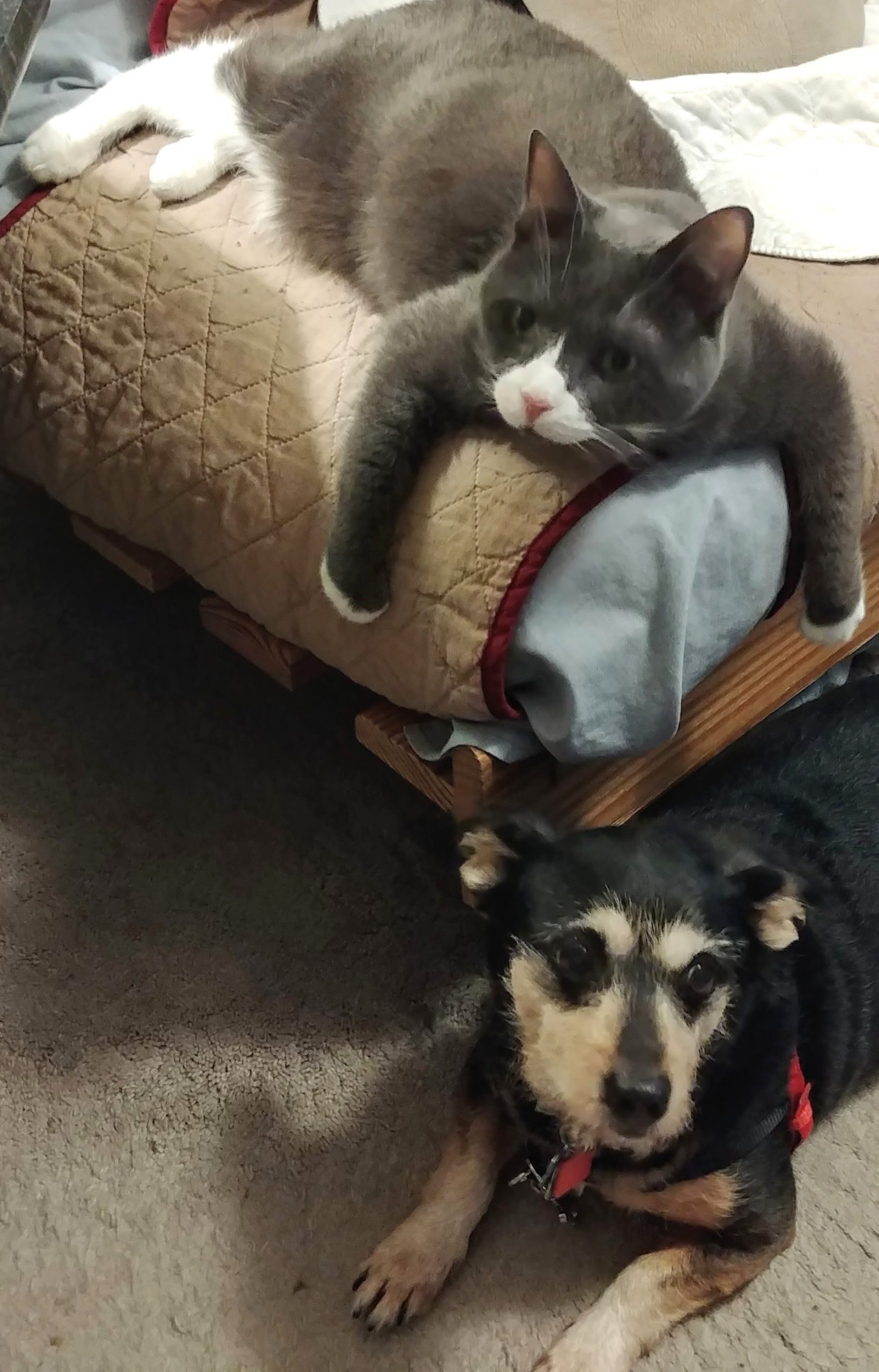 A multi-pet household can appear peaceful because nobody is growling or fighting, yet one animal may still be having a difficult time. Cats in particular can show social tension in ways that are easy to miss.
The 2024 AAFP Intercat Tension Guidelines emphasize that conflict between household cats is often subtle and may go unrecognized. Warning signs can include staring, blocking access, stalking, chasing, avoiding particular areas, changes in resting locations, or one cat consistently yielding space to another. More obvious signs include hissing, growling, swatting, pinning, and fighting.
Dogs also communicate discomfort long before a serious confrontation occurs. Stiff posture, persistent staring, guarding an object or person, repeatedly pursuing another animal, or becoming highly aroused whenever another pet moves deserves attention. A dog does not need to bite before its behavior becomes worth addressing.
Changes in ordinary habits can provide clues too. A cat that suddenly stops entering a certain room, begins eating only after everyone else leaves, or changes litter box habits may be responding to something happening within the household. Behavioral changes can also have medical causes, so a significant or persistent change deserves discussion with a veterinarian rather than being automatically blamed on another pet.
Daily Routine Helps Keep a Busy Household Predictable
Multiple animals create logistics. Meals have to happen, dogs need outside time, litter boxes need attention, medications may need to be given, and individual animals still need interaction that is not constantly interrupted by everyone else.
Predictable routines can lower some of that pressure. Dogs often learn where they wait while meals are prepared. Cats learn which areas stay quiet. The household develops patterns around feeding, bedtime, outdoor trips, play, and rest.
Individual attention remains valuable even in a very social household. A dog that enjoys training may benefit from a short session away from the other animals. One cat may enjoy interactive play in a room without dogs wandering through it. Another may prefer quiet time beside a person after the household settles down.
These small routines also make changes easier to spot. When you know approximately how much each animal normally eats, where it sleeps, how active it is, and how it interacts with the others, unusual behavior stands out sooner.
Senior and Medically Complicated Pets May Need Extra Protection
 The social arrangement that worked five years ago may need to change as animals age. An older dog with reduced mobility may become less tolerant of being bumped by a younger dog. A senior cat may stop using a tall escape route because jumping has become difficult. Hearing or vision changes can also alter how an animal responds when another pet approaches.
Physical changes deserve accommodations rather than expecting the animal to maintain the old routine. Lower steps or ramps can provide easier access to favorite cat areas. A quiet sleeping area can protect an older dog from constant activity. Feeding separately may become more valuable when appetite, medication schedules, or therapeutic diets need closer observation.
Pain and illness can also affect behavior. An animal that suddenly becomes irritable, withdrawn, defensive, or less tolerant of housemates may be experiencing discomfort rather than simply developing a bad attitude. New behavioral changes, particularly in a senior pet, are worth discussing with a veterinarian so medical causes can be considered before treating the problem solely as a training issue.
Some Relationships Need Professional Help
Most ordinary adjustment problems can be managed through time, supervision, environmental changes, and appropriate training, but there are situations where outside help is the safer choice. Repeated fights, injuries, persistent chasing, intense resource guarding, a dog fixating on cats, or an animal that appears unable to relax around another pet deserves more than repeated attempts to make them “get used to each other.”
A veterinarian is a sensible starting point because physical discomfort and medical conditions can influence behavior. Depending on the problem, the next step may include a qualified behavior professional or a board-certified veterinary behaviorist. Current feline guidance also recommends advanced professional support when intercat tension remains persistent or difficult to manage.
Temporary separation is not failure. Sometimes it is exactly what allows everyone to calm down while the household arrangement is reconsidered. In certain homes, long-term use of separate areas may even be the safest and most comfortable solution for particular animals.
Peaceful Does Not Have to Mean Inseparable
 One of the most helpful things we have learned from decades around animals is not to demand a relationship simply because pets share an address. Some cats and dogs become genuine companions. They sleep together, play together, groom one another, and seem to deliberately seek each other out.
Others reach an entirely respectable agreement that basically means, “You stay over there and I’ll stay over here.” That can work beautifully too. An older cat sleeping undisturbed on a favorite perch while two dogs relax elsewhere in the house is not evidence of a failed relationship.
A successful multi-cat, multi-dog home gives every animal choices. There is room to approach and room to leave, places to eat without competition, comfortable areas to rest, and people paying enough attention to notice when those patterns change. Once a household is arranged around those individual needs, several cats and several dogs sharing the same home can stop feeling like an ambitious experiment and simply become the normal rhythm of daily life.