

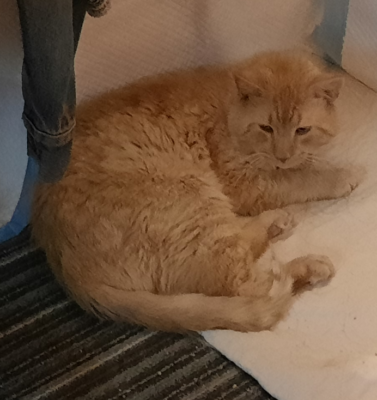
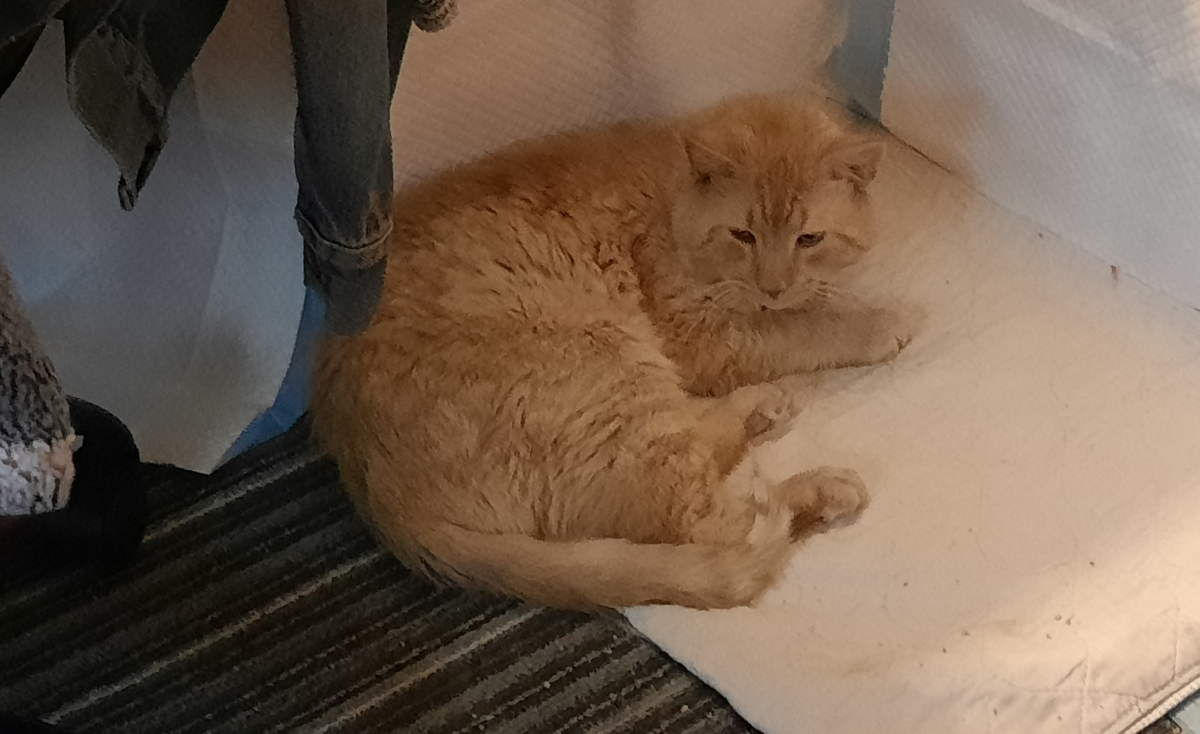
For years, an older feral cat may have lived in the same neighborhood, appearing at familiar feeding stations, sleeping beneath porches, and keeping a cautious distance from the people who provide food. Over time, those people often become attached to the cat, even if they have never been allowed to touch it. They recognize its habits, notice when it misses a meal, and gradually learn to interpret the small changes that indicate something may be wrong.
Then comes a difficult day when the cat looks noticeably thinner, moves more slowly, or appears too weak to manage the outdoor life it has always known. The natural response is to want to bring that cat inside, offer a warm bed, provide medical attention, and ensure that its remaining time is spent somewhere safe.
The intention is unquestionably caring, but the ethical decision is not always simple. A feral cat that has spent its entire life outdoors may experience confinement very differently from a house cat. Bringing it indoors could provide comfort and protection, or it could introduce severe fear and distress during an already difficult period.
Deciding what is best requires looking beyond our human understanding of comfort and considering what the individual cat can physically and emotionally tolerate.
Understanding the Difference Between a Feral Cat and a Stray
Before considering hospice care, it helps to understand the animal’s relationship with people. The terms feral and stray are often used interchangeably, but they describe different circumstances. A stray cat generally has some history of human socialization. It may have lived indoors previously, been abandoned, or simply become separated from its home. Even if frightened initially, many stray cats can eventually become comfortable around people again.
A truly feral cat has had little or no positive human contact during important periods of its development. It may tolerate a particular caregiver at a feeding station, but that familiarity does not necessarily extend to being touched, handled, or confined inside a house.
This distinction matters enormously when considering end-of-life care. An older stray might welcome the warmth and quiet of an indoor room, while an equally sick feral cat might experience that same room as an inescapable threat.
There is also considerable variation between individual cats. Some community cats gradually become more accepting of human interaction, while others maintain their distance throughout their lives. A cat’s behavior, rather than the label assigned to it, should influence the decisions made on its behalf.
Illness and Old Age Do Not Automatically Mean Hospice Is Necessary
 One of the first ethical responsibilities is determining whether a cat is actually approaching the end of its life. Severe weight loss, poor grooming, weakness, and a change in behavior can suggest serious illness, but they do not establish that a condition is terminal.
An older outdoor cat might be struggling with dental disease, an infection, hyperthyroidism, kidney disease, arthritis, or another medical condition. Some of these problems may be treatable or manageable, even in an elderly animal.
A cat that appears to be dying could sometimes regain meaningful quality of life with appropriate veterinary treatment. Conversely, an animal that continues eating and moving around might still be experiencing significant pain or advanced disease.
The American Animal Hospital Association’s end-of-life care guidance emphasizes veterinary assessment, individualized comfort care, and consideration of an animal’s physical and emotional needs. Before making plans for hospice, a veterinarian should evaluate the cat whenever possible. That assessment can help distinguish between a potentially treatable illness, a chronic condition requiring ongoing management, and a terminal condition for which comfort-oriented care is appropriate.
The Ethical Conflict Between Physical Safety and Emotional Security
Humans naturally associate indoor living with safety. A warm room offers protection from extreme temperatures, predators, vehicles, and many hazards that outdoor cats encounter. For an aging animal struggling with mobility or illness, these protections can be especially valuable. Indoor care may also make it easier to monitor food intake, hydration, elimination, breathing, and changes in condition.
Yet physical safety is only one component of welfare. Feral cats often depend heavily on familiarity, predictable routines, territorial knowledge, and the ability to avoid perceived threats. Their outdoor environment may contain risks, but it also provides a sense of control that an unfamiliar room cannot immediately replace.
The 2022 AAFP/ISFM Cat Friendly Veterinary Interaction Guidelines recognize the importance of choice, familiarity, hiding opportunities, and minimizing fear during feline care. A cat that has spent twelve or fifteen years avoiding close human interaction may not understand that confinement is intended to help. It may instead perceive unfamiliar smells, enclosed walls, human movement, and the inability to escape as threatening.
Signs of significant distress can include frantic attempts to escape, persistent hiding, defensive behavior, reduced eating, and repeated efforts to avoid caregivers. Some frightened cats become unusually still rather than visibly agitated, making their emotional state harder to interpret. The ethical concern is whether removing outdoor dangers actually improves the animal’s overall experience, or simply replaces those dangers with sustained fear.
Veterinary Care Should Come Before Indoor Confinement
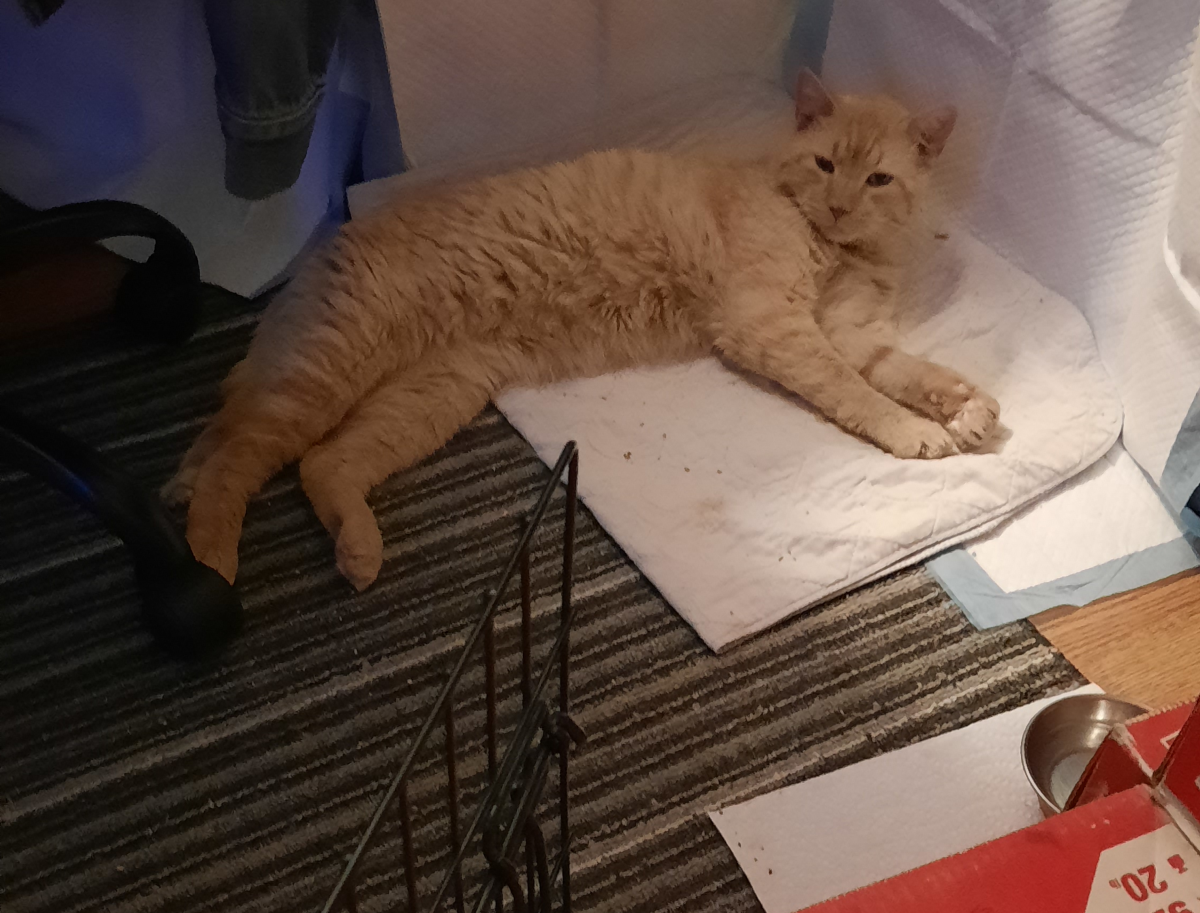 An older, sick feral cat should not simply be captured, placed in a spare room, and left to deteriorate under the assumption that it is receiving hospice care. Hospice requires an active plan for managing discomfort, illness-related symptoms, and changes in quality of life.
Alley Cat Allies, an organization dedicated to community-cat welfare, addresses this directly in its guidance for helping sick or injured outdoor cats. It recommends contacting a veterinarian before trapping and warns against prolonged confinement without medical treatment.
A veterinarian experienced with community cats can help determine whether the animal requires immediate intervention, whether recovery is possible, and what type of environment may provide the greatest benefit. Because feral cats can be extremely frightened by handling, examination may require specialized equipment, careful restraint, or veterinary-administered sedation. The goal should be to obtain necessary medical information while minimizing additional distress.
When practical, caregivers should arrange veterinary assistance before attempting capture. Humane traps are generally safer than trying to pick up a frightened or injured cat, and experienced rescue volunteers may be able to help. A newly encountered cat should also be checked for a microchip and possible ownership, when this can be done safely. An ear tip may indicate previous participation in a trap-neuter-return program and could help identify an established community-cat caregiver.
The initial veterinary conversation should include both medical and ethical considerations. It should address the possibility of treatment, the expected course of illness, available pain relief, how future care can be provided, and whether the cat can realistically tolerate the proposed arrangements.
When Bringing a Feral Cat Indoors May Be the Kinder Choice
There are circumstances in which indoor hospice may offer a significant improvement in welfare. A cat with advanced mobility problems may no longer be capable of escaping threats or reaching its usual sheltered resting places. Another may be too weak to maintain adequate body temperature in cold weather or require frequent monitoring that cannot be provided outdoors.
In these situations, the protections offered by indoor care may outweigh the stress of relocation, particularly when the cat demonstrates some tolerance for confinement. An animal that already approaches its caregiver, accepts gentle contact, or occasionally enters an enclosed porch or garage may be a better candidate for indoor care than one that remains intensely fearful of all human contact.
However, these behaviors are only clues. They are not guarantees that a cat will adjust comfortably. The presence of a terminal illness does not necessarily eliminate the possibility of adaptation, either. Some cats may become more settled when given a quiet, secure environment with minimal human interference. If indoor hospice is chosen, it should be approached as an individualized care arrangement rather than an attempt to turn a feral cat into a conventional house pet.
Creating an Indoor Hospice Space That Respects Feral Behavior
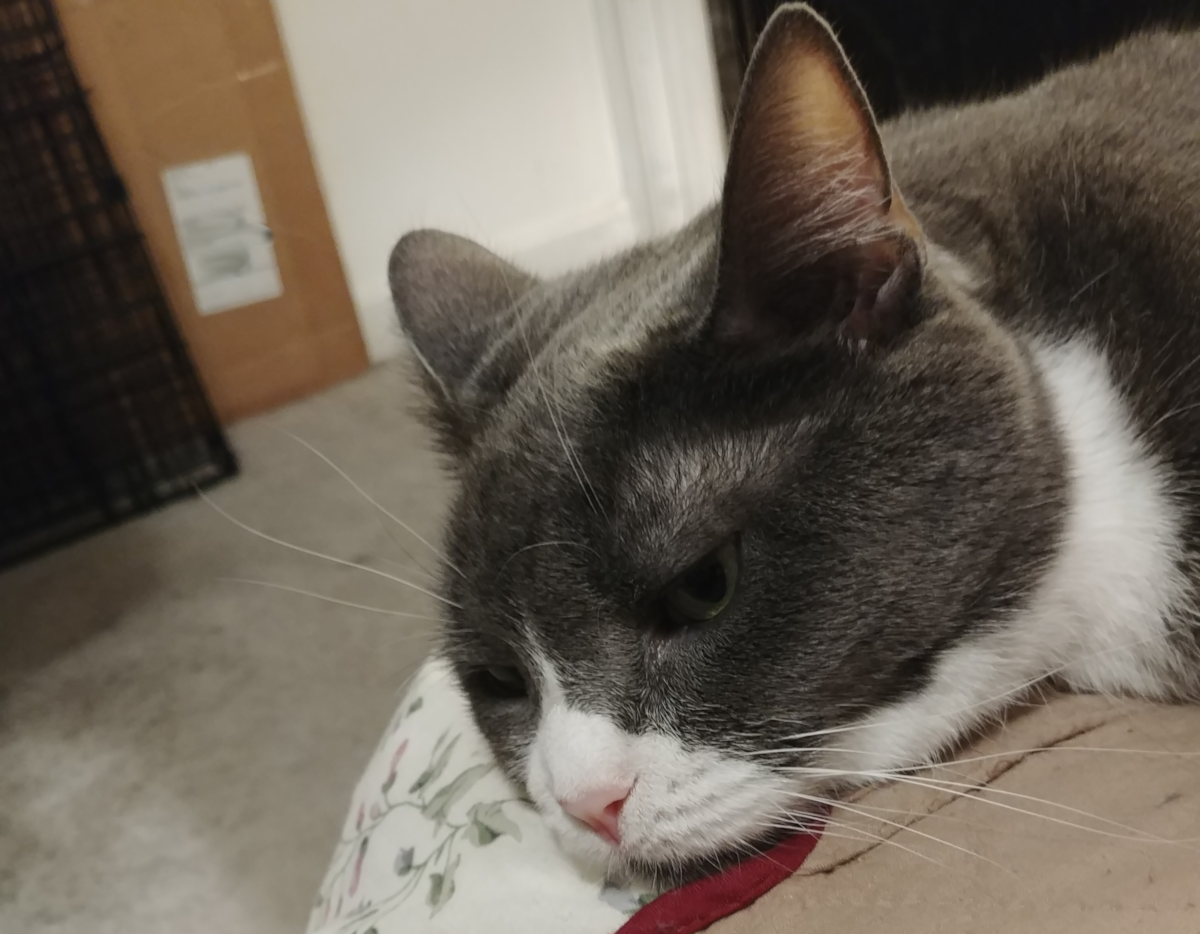 A suitable indoor environment should prioritize quiet, predictability, and minimal unnecessary interaction. The cat does not need constant attention, affection, or encouragement to socialize. In fact, repeatedly approaching a frightened animal in an effort to reassure it may increase distress.
A separate, temperature-controlled room or appropriately sized secure recovery enclosure may be suitable, depending on the cat’s medical needs and the veterinarian’s recommendations. Prolonged confinement in a humane trap, small carrier, or cramped cage is not appropriate hospice housing.
The environment should provide comfortable bedding, easily accessible food and water, and a litter box with an entrance the animal can manage. Cats experiencing arthritis or weakness may struggle with high-sided litter boxes, slippery floors, or elevated resting areas. A covered carrier or enclosed hiding space can provide an important sense of security. Its placement should also allow caregivers or veterinary professionals to access the animal safely when necessary.
Potential escape routes and inaccessible hiding places should be secured before the cat enters the room. If the household includes other cats, separation is especially important until a veterinarian has assessed potential infectious-disease risks and appropriate precautions.
Care routines should remain consistent. Feeding, cleaning, observation, and medication should be organized to minimize disturbance. For a frightened feral cat, companionship may simply mean knowing that food appears regularly and that people do not interfere unnecessarily. A caregiver’s presence should be guided by what the cat appears comfortable accepting.
Recognizing When Indoor Hospice Is Causing More Distress Than Comfort
One of the hardest responsibilities is acknowledging when a well-intentioned decision is not helping. A cat may appear calm because it is resting comfortably, but it may also remain motionless because it is frightened. The difference often becomes clearer through repeated observations rather than a single interaction.
Caregivers should pay attention to patterns involving eating, drinking, resting, elimination, movement, and responses to human activity. A camera can sometimes help reveal what a cat does when the room is empty without requiring frequent disturbances. Evidence of improving comfort might include eating voluntarily, resting in relaxed positions, moving between familiar areas of the enclosure, grooming when physically capable, and showing less defensive behavior during routine care.
Persistent escape attempts, panic, refusal of food, or defensive reactions during every necessary interaction deserve attention. These behaviors may reflect fear, pain, illness, or a combination of factors, and should be discussed with the veterinarian rather than interpreted in isolation. A simple daily record can be extremely helpful. Notes about food intake, elimination, breathing, mobility, visible discomfort, and the cat’s behavior can reveal whether conditions are improving or deteriorating.
If a cat remains severely distressed, the veterinary team should reassess the care plan promptly. That may mean changing the environment, adjusting veterinary treatment, considering a safe return to its familiar territory when medically appropriate, or discussing humane euthanasia if suffering cannot be adequately relieved.
Considering Hospice Care in the Cat’s Familiar Outdoor Territory
Indoor confinement is not the only possible setting for comfort-oriented care. For some community cats, remaining in a familiar outdoor environment may preserve an important part of their emotional security. An established caregiver may be able to provide a weather-resistant shelter, reliable meals, clean water, and predictable observation. In some situations, a veterinarian may be able to develop a treatment plan that accommodates the cat’s outdoor lifestyle.
However, outdoor hospice introduces substantial limitations. Monitoring symptoms is more difficult when a cat can disappear for hours or days. Caregivers may struggle to determine whether prescribed medication has been consumed, how much the cat is eating, or whether its condition has deteriorated.
The animal may also become too weak to reach shelter or escape environmental hazards. A cat that could previously manage outdoor temperatures and travel between feeding locations may lose those abilities as illness progresses. There is an important difference between supportive outdoor care and simply allowing a visibly suffering animal to remain outside without treatment.
Outdoor hospice is most appropriate when there is a realistic means of providing veterinary-directed comfort care, frequent observation, and prompt intervention if the animal deteriorates. If those conditions cannot be met, the care plan needs reconsideration.
A protected outdoor enclosure or other familiar, secure setting may occasionally offer a compromise, but it must still accommodate the animal’s medical and behavioral needs. Such arrangements should be discussed with a veterinarian experienced in community-cat care.
The Difficult Question of Humane Euthanasia
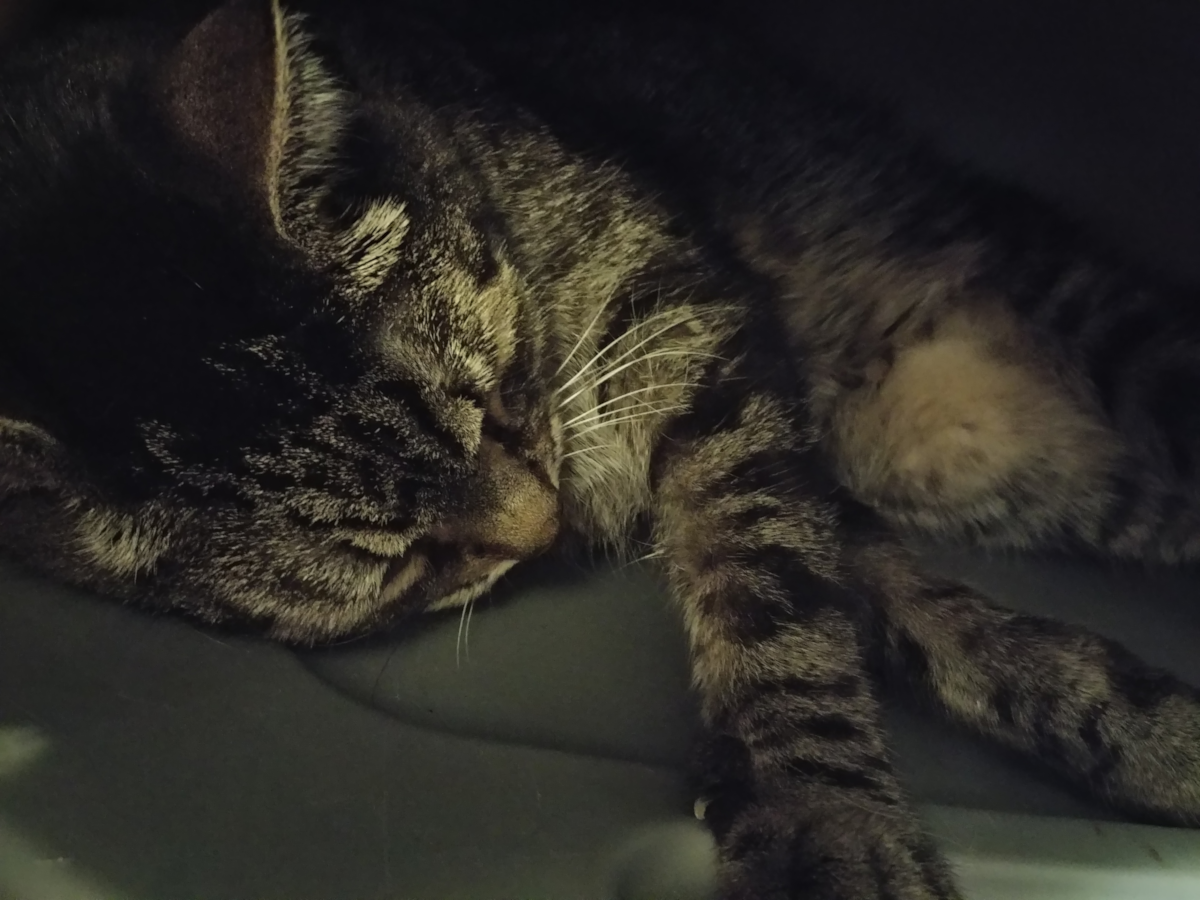 Discussions about hospice sometimes assume that the goal is to allow an animal to die naturally. In veterinary medicine, however, hospice care is primarily concerned with relieving suffering, not ensuring that death occurs without intervention. Natural death is not always quiet or comfortable. Depending on the underlying disease, a dying cat may experience severe pain, respiratory distress, weakness, nausea, anxiety, or other symptoms requiring medical attention.
This concern can be particularly serious for a feral cat that cannot safely be handled or medicated. Humane euthanasia may become the most appropriate option when a terminally ill animal’s suffering cannot be adequately controlled. That decision should follow a veterinary assessment rather than an assumption that age, disability, or feral behavior makes life no longer worthwhile.
Being unsocialized to humans is not, by itself, a reason to euthanize an otherwise healthy or treatable cat. For a cat already approaching the end of life, the veterinarian can explain how euthanasia could be performed with the least possible fear and discomfort. This may involve specialized handling techniques, sedation, or other arrangements appropriate to the animal’s condition.
It is reasonable to ask whether procedures can be performed in a familiar setting, whether transportation is necessary, and how the cat’s distress will be minimized. Sometimes the ethical decision is not between extending life and ending it. It is between allowing suffering to continue and providing a medically appropriate, peaceful death.
Respecting the Cat’s Preferences Without Romanticizing Outdoor Life
There is a tendency to describe feral cats as independent animals that should never be confined. While their familiarity with outdoor territory deserves consideration, independence should not become an excuse to overlook suffering. A cat with severe arthritis, advanced illness, or profound weakness may no longer be able to enjoy the freedom it once relied upon. Familiar surroundings cannot compensate for uncontrolled pain or an inability to obtain food and shelter.
The opposite assumption can be equally misleading. Bringing a cat indoors does not automatically make its final days better simply because the environment looks comfortable to us. The animal’s welfare must remain the central consideration, even when its responses conflict with our expectations.
Caregivers can make more informed decisions by considering the cat’s previous behavior, current physical abilities, reaction to confinement, medical prognosis, and the practical care that can actually be provided. These factors can change rapidly. A plan that seemed appropriate at the beginning of an illness may become unsuitable as the cat’s condition progresses.
The Emotional Responsibility of Caring for a Feral Cat at the End of Life
Caring for community cats often creates an unusual relationship. There may be years of daily interaction without physical contact, yet the caregiver can still recognize individual personalities, routines, and preferences. When an older cat becomes ill, that relationship may bring a strong sense of responsibility. The desire to make up for years spent outdoors by providing a warm indoor home can be powerful.
But the cat does not necessarily experience those years as a deprivation that must be corrected. Its familiar territory, routines, and established relationships may have provided security throughout its life. Caregivers also have practical limitations that deserve consideration. Hospice may involve repeated veterinary appointments, specialized feeding arrangements, medication, emergency decisions, and difficult handling situations.
An unsocialized cat may make even basic tasks challenging. Trying to administer treatments that repeatedly cause panic or create a risk of serious bites and scratches may not be sustainable. Discussing these limitations with a veterinarian is part of responsible planning. Less invasive treatment options, additional rescue assistance, or another care setting may sometimes improve the situation for everyone involved.
Financial limitations can also influence what is possible. Asking a veterinarian about different levels of appropriate care may reveal options that provide meaningful relief without requiring every available diagnostic procedure. The purpose of these conversations is not to measure how much someone cares. It is to identify a realistic plan that gives the animal the best achievable comfort.
Making Room for the Cat’s Own Response
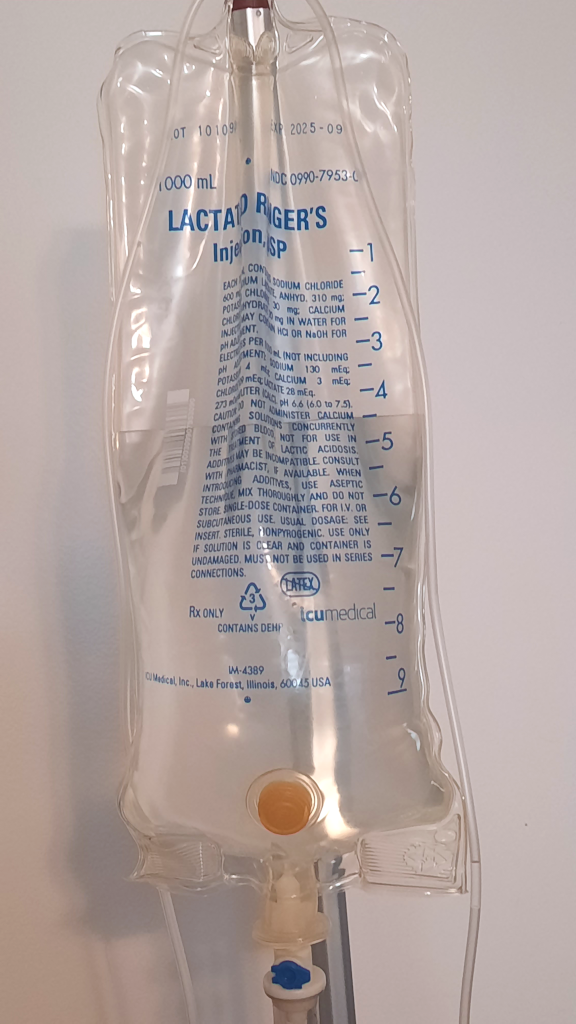 A hospice plan for an older feral cat should include regular opportunities to reassess whether the arrangement remains appropriate. The decision to bring a cat indoors need not be treated as permanent if the animal’s needs indicate otherwise and safe alternatives remain available.
Veterinary guidance, daily observations, and the animal’s behavioral responses should all influence those decisions. A cat that begins eating, resting comfortably, and showing less fear may be demonstrating that indoor care is meeting its needs. Another that remains overwhelmed by confinement may require a different approach, even when the caregiver has prepared a beautiful, quiet space.
There will also be situations in which severe illness makes returning outdoors unsafe, while confinement remains distressing. Those circumstances require especially careful veterinary involvement because neither option provides an acceptable solution without further medical support. For people who have spent years watching over a particular community cat, these decisions can be deeply personal. It may be the first time they have been responsible for an animal’s medical care despite having cared about that animal for much of its life.
Sometimes the most useful step is simply arranging another veterinary assessment, reviewing the observations gathered over several days, and discussing what remains possible. Those conversations can help determine whether the cat can continue resting comfortably in its current setting or whether its care needs to change.