
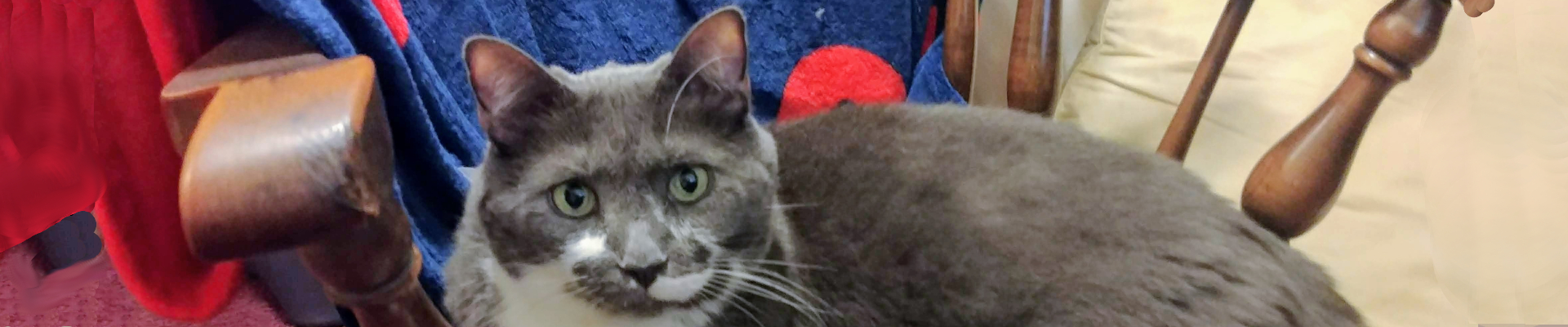
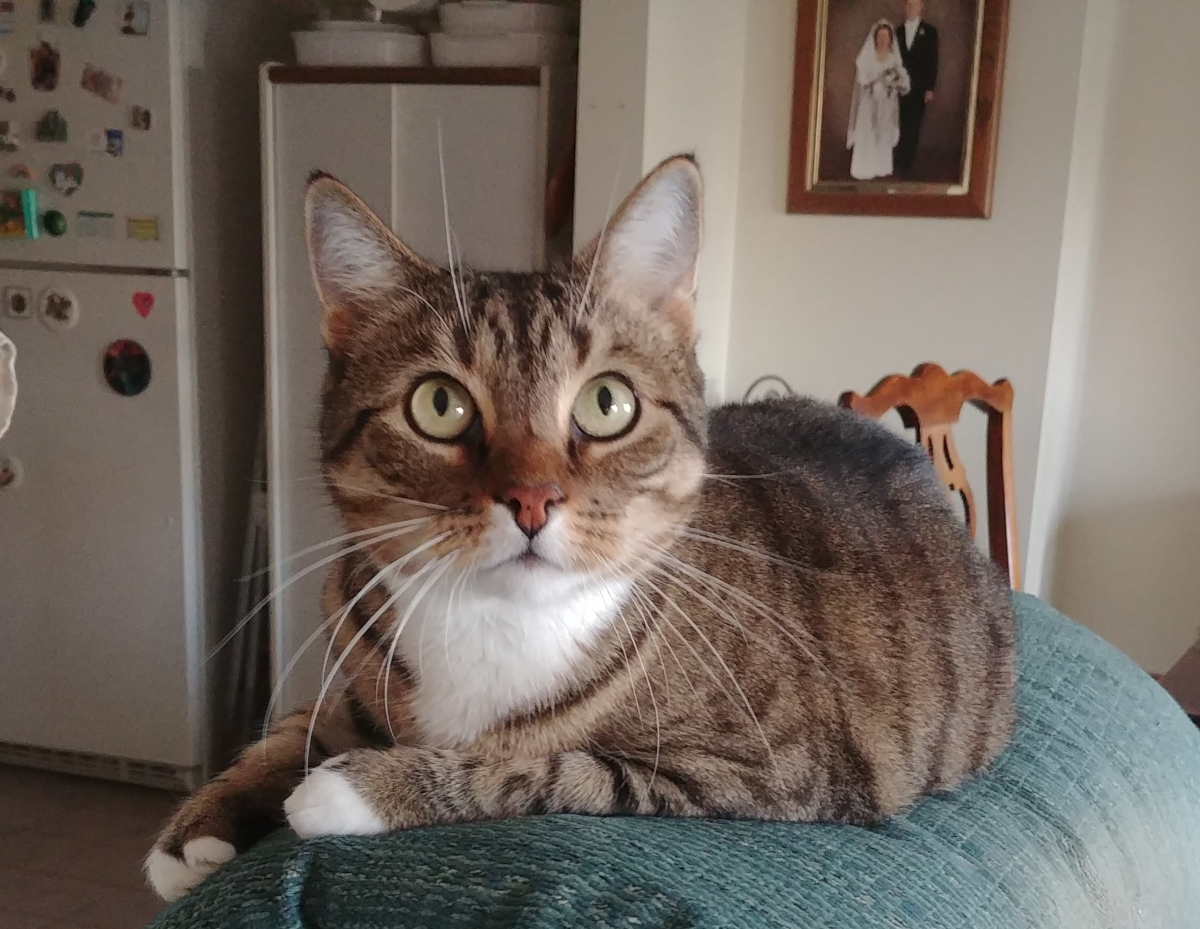
The living room looks wonderful after a little rearranging. The sofa has a better view of the television, the chairs make the room feel more open, and that old coffee table finally has a new home. Everything seems more comfortable and practical, at least from a human perspective.
For a senior cat or dog, however, that same room may suddenly feel unfamiliar. A pet that previously walked confidently across the floor might hesitate at the doorway, circle around a chair, or bump into furniture that was never there before. Another might retreat to a bedroom, become unusually clingy, or seem reluctant to enter the room at all.
These reactions are not necessarily stubbornness or an unwillingness to accept change. Older animals often depend heavily on familiar surroundings, established routes, and predictable routines to move comfortably through their homes. Something as ordinary as moving a sofa can interfere with those familiar patterns, particularly when aging has affected their eyesight, hearing, mobility, or cognitive abilities. Understanding why these changes matter can help us make our homes more comfortable without asking our aging companions to repeatedly adjust to unfamiliar surroundings.
A Familiar Home Becomes a Mental Map
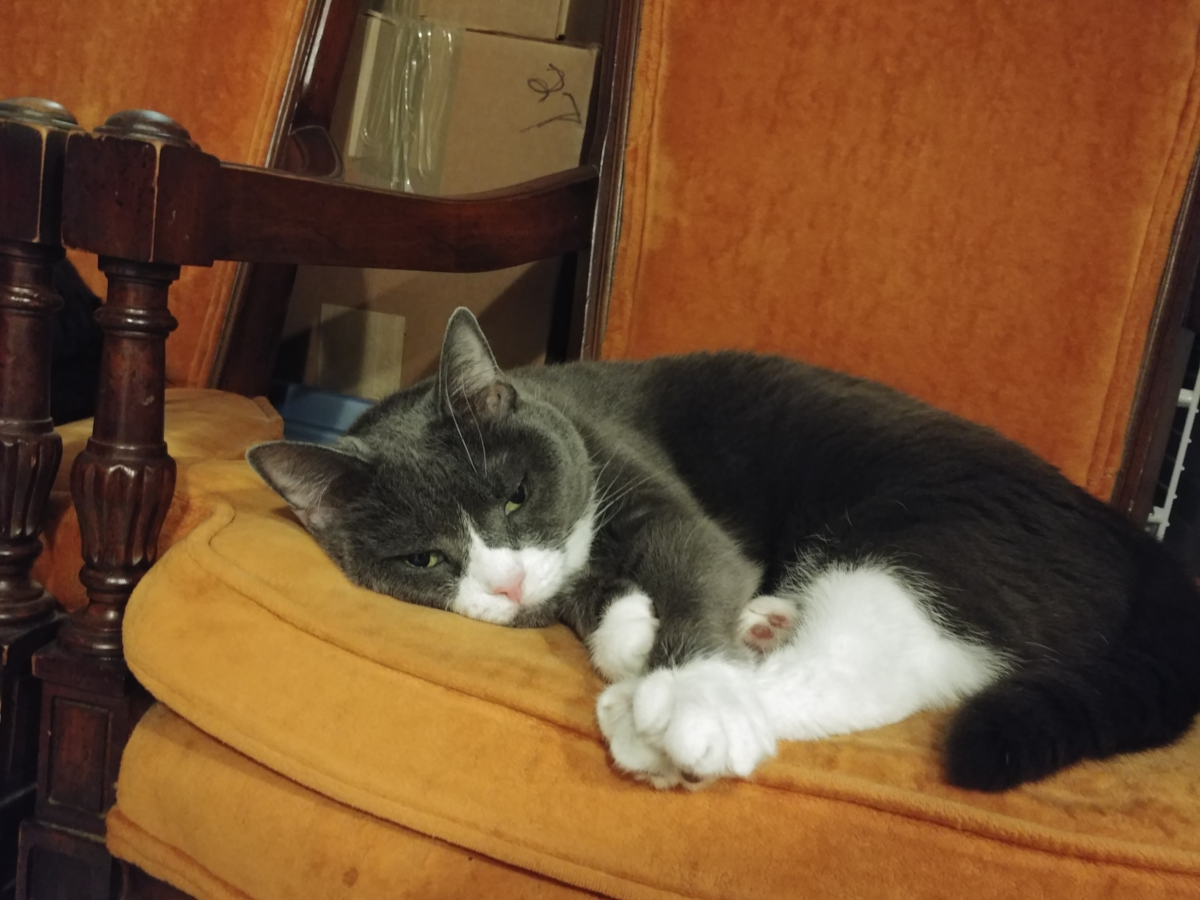 Animals develop a remarkable familiarity with the places where they spend their lives. Over time, a cat learns exactly where to turn to reach a favorite sleeping spot, while a dog becomes accustomed to the route between its bed, water bowl, and back door. These movements can become so familiar that the animal appears to follow them almost automatically.
This familiarity involves more than vision. Dogs and cats use combinations of sight, hearing, smell, touch, memory, and learned movement patterns to understand their surroundings. They recognize the placement of objects, the feel of different flooring surfaces, and the locations of their most important resources.
For an older animal, these familiar details can become increasingly valuable. A senior cat with declining vision may still move confidently through a room because the arrangement has remained unchanged for years. A dog with hearing difficulties may depend more heavily on visual information and established routes.
Moving a large piece of furniture changes part of that familiar arrangement. The route that once led directly to a favorite chair may now be blocked, and an open space that felt safe yesterday may contain an unexpected obstacle today.
A younger animal with healthy senses may adjust quickly. An older pet with physical or sensory limitations may need considerably more time, particularly when several changes happen at once.
Aging Eyes Can Make Rearranged Furniture Especially Confusing
Vision changes are among the most significant reasons a familiar furniture arrangement matters to senior pets. Some dogs and cats gradually lose visual clarity, depth perception, or the ability to see comfortably in dim lighting. Because the changes develop slowly, their owners may not immediately recognize that anything is wrong.
An animal can compensate surprisingly well when its environment remains consistent. A cat with considerable vision loss might continue finding its food, water, and litter box without obvious difficulty. Similarly, a partially blind dog may move through the house confidently because it has learned where obstacles and openings are located. The problem becomes more apparent when the familiar arrangement changes.
A dog that previously walked straight from the hallway to its bed might encounter the corner of a newly positioned table. A cat that regularly jumps onto a particular chair may misjudge the distance after the chair has been moved. These experiences can cause hesitation and make the animal less willing to explore.
The Cornell Feline Health Center recommends maintaining consistent surroundings for blind cats, including the placement of furniture and litter boxes. The American Animal Hospital Association offers similar guidance for pets experiencing vision or hearing loss.
This is also why an older pet that suddenly begins bumping into furniture deserves attention. Although a recent rearrangement might explain some difficulty, new or worsening visual problems should never be dismissed as a simple reaction to a changed room.
In cats, for example, sudden blindness can sometimes be associated with serious medical problems, including high blood pressure. Sudden vision loss or an abrupt change in the ability to move around familiar surroundings warrants prompt veterinary examination.
Arthritis and Reduced Mobility Change How Pets Use Space
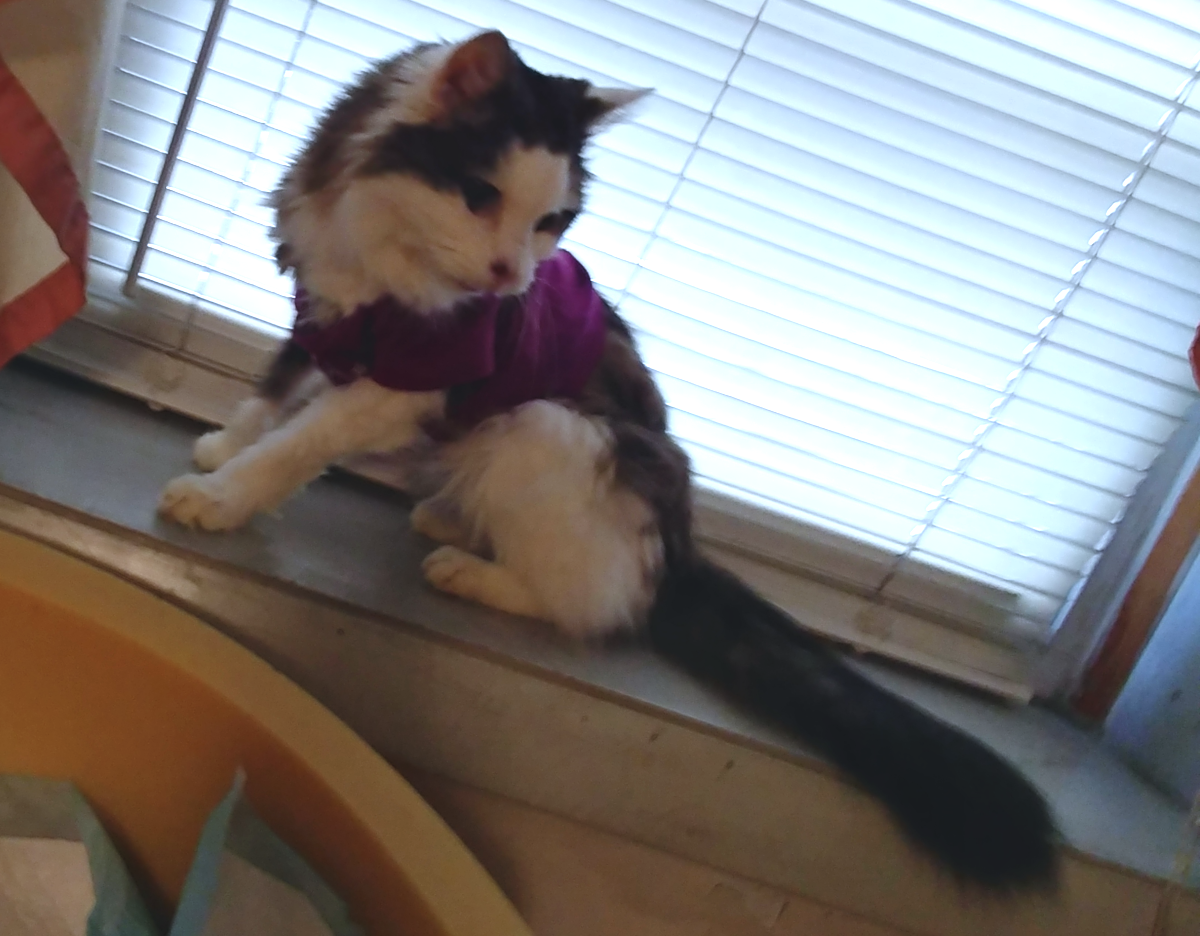 Physical discomfort adds another layer to the problem. Many older dogs and cats develop joint stiffness, arthritis, weakness, or reduced flexibility that changes how they approach everyday movement.
A senior dog with painful hips might have developed a comfortable route around the living room that avoids sharp turns or slippery flooring. Moving a chair into that route may force the dog to turn more abruptly, squeeze through a narrow opening, or walk across a surface it previously avoided.
Cats with arthritis may face different challenges. A favorite chair or low table sometimes serves as an intermediate step to a windowsill or resting place. Removing that piece of furniture can eliminate a familiar climbing route, making an otherwise accessible destination difficult or painful to reach.
These issues may not be immediately obvious because animals often compensate quietly for discomfort. A cat may simply stop visiting a favorite window, while a dog may begin resting in a different room rather than attempting an uncomfortable route.
The 2023 AAHA Senior Care Guidelines for Dogs and Cats recognize the value of environmental adjustments, including appropriate ramps, supportive bedding, and flooring that provides better traction. Furniture placement should be considered part of that accessibility. Wider walking spaces, stable surfaces, and familiar resting areas can make daily movement easier for an aging animal.
Cognitive Changes Can Make New Surroundings Harder to Understand
Some senior dogs and cats experience age-related cognitive changes that affect memory, learning, awareness, and behavior. In dogs, a recognized condition called canine cognitive dysfunction syndrome can cause disorientation, changes in sleep patterns, anxiety, altered social interactions, and difficulty with previously familiar routines. Cats can also develop cognitive dysfunction as they age.
An animal experiencing cognitive changes may already have difficulty interpreting its surroundings, even when the home has remained unchanged. Moving furniture can introduce additional uncertainty into an environment that the pet is struggling to understand.
Consider an older dog that occasionally pauses in the hallway as though uncertain where to go. After furniture has been rearranged, the dog might begin wandering into corners, taking unfamiliar routes, or appearing distressed when trying to reach its bed.
Not every animal showing these behaviors has cognitive dysfunction. Vision problems, pain, hearing loss, illness, and other medical conditions can produce similar signs, which is why veterinary evaluation matters.
Cornell University’s College of Veterinary Medicine recommends observing patterns such as disorientation, changes in interaction, disrupted sleep, house-soiling, and increased anxiety when evaluating possible cognitive decline. These observations help veterinarians determine whether further investigation is appropriate.
For pets with established cognitive difficulties, maintaining a predictable home arrangement can be a practical part of daily care. Familiar surroundings may reduce the number of new challenges an animal must process while continuing its normal activities.
Cats and Dogs May Respond to Changes Differently
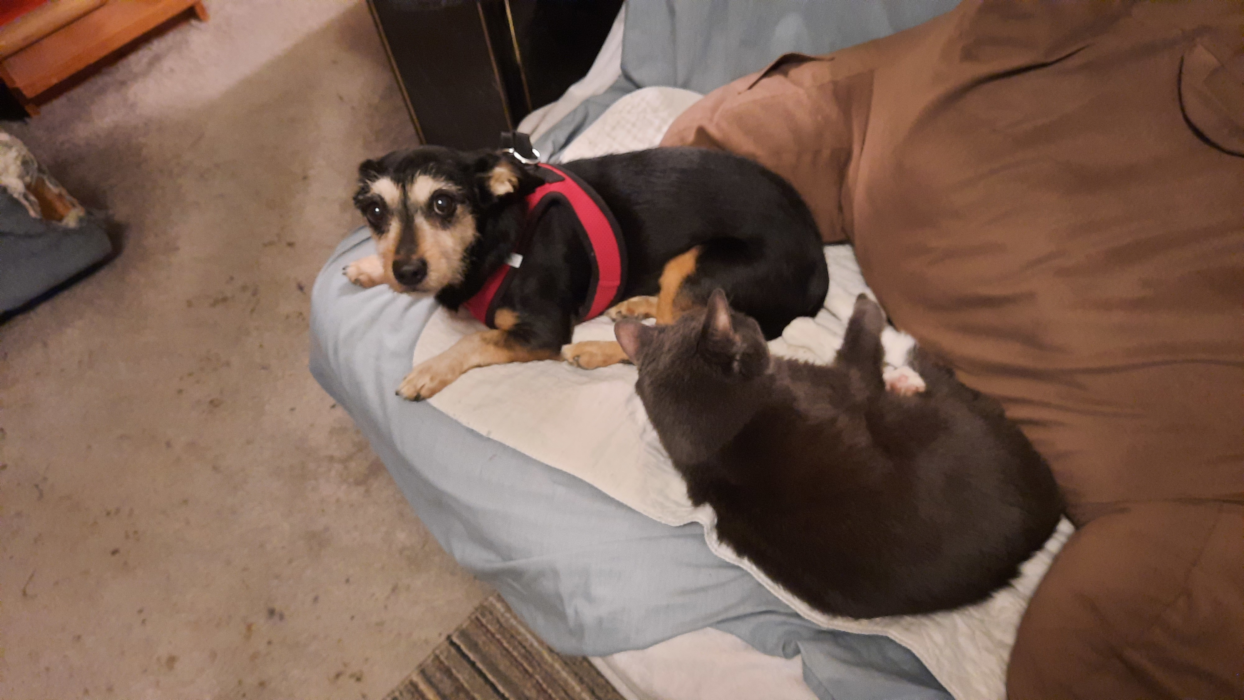 Although both species benefit from familiar surroundings, cats and dogs may express their discomfort in different ways. Cats are particularly sensitive to changes within their territory. Their resting locations, hiding places, feeding areas, litter boxes, and scratching surfaces all contribute to how they experience their environment. Furniture provides physical structure, familiar resting surfaces, and places where cats can observe activity while feeling protected.
Moving a favorite chair can therefore remove more than a comfortable place to sleep. It may also change the cat’s preferred route through a room, eliminate a hiding place, or expose a previously sheltered resting area.
The American Association of Feline Practitioners and International Society of Feline Medicine’s Feline Environmental Needs Guidelines explain how familiarity, predictability, and access to safe spaces support feline well-being. Dogs often express environmental uncertainty through hesitation, pacing, increased attachment to their owners, or reluctance to enter particular areas. A senior dog may repeatedly inspect a rearranged room or seek reassurance from a familiar person.
Neither reaction should automatically be interpreted as a behavioral problem. Often, the animal is simply trying to understand a situation that has changed without warning.
Small Behavioral Changes Can Reveal Significant Discomfort
Some pets react dramatically when their surroundings change, but many show much quieter signs of discomfort. Years of caring for aging animals teach us to pay attention to behavior that differs from an individual’s normal routine, even when that difference seems minor.
An older cat that previously slept on the living room sofa might begin spending most of its day under a bed. A dog that usually follows its owner into the kitchen may remain at the doorway, apparently uncertain about entering.
Other changes may include:
- Hesitating before entering familiar rooms or walking through doorways.
- Bumping into furniture or misjudging familiar distances.
- Pacing, wandering, or appearing unable to settle comfortably.
- Hiding more frequently or avoiding previously favored resting places.
- Becoming unusually vocal, clingy, withdrawn, or easily startled.
- Avoiding stairs, elevated surfaces, or certain walking routes.
- Having difficulty locating food, water, or litter boxes.
- Developing changes in sleep, appetite, or bathroom habits.
These observations become more useful when considered together rather than individually. A cat avoiding a rearranged living room while otherwise behaving normally presents a different situation from a cat that is also losing weight, drinking excessively, or having trouble walking.
The timing of a behavioral change can provide a valuable clue, but it does not prove its cause. If a pet becomes unusually anxious after furniture is moved, the rearrangement deserves consideration, yet medical problems should remain part of the discussion with a veterinarian.
Making Furniture Changes Without Overwhelming an Older Pet
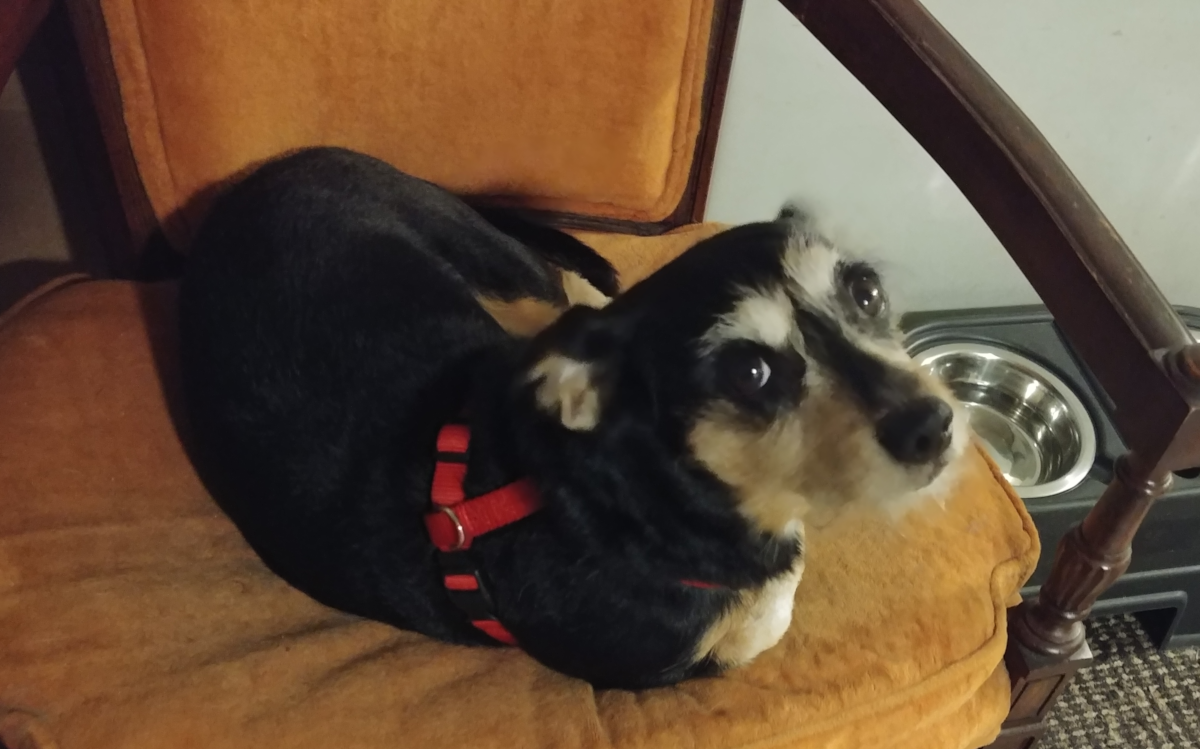 Keeping a home completely unchanged is not always practical. Furniture wears out, households change, and sometimes rearranging a room is necessary to make life safer or more accessible for an aging animal. The goal is to make these changes thoughtfully rather than assuming an older pet will adjust immediately.
When possible, begin with smaller adjustments instead of moving everything at once. Changing one item at a time gives the animal an opportunity to become familiar with the new arrangement before additional changes occur. It also helps to preserve the locations of important resources. Keeping beds, feeding areas, water bowls, and litter boxes in familiar positions provides dependable reference points while other parts of the room change.
Before moving furniture, consider the routes your pet uses throughout the day. Watch how your cat reaches its favorite resting place or how your dog travels between sleeping areas and outdoor access. These everyday movements can reveal patterns that are easy to overlook.
A few practical considerations can make a substantial difference:
- Keep major pathways open and free of unnecessary obstacles.
- Avoid creating narrow spaces where a pet could become trapped or have difficulty turning around.
- Preserve familiar resting places and the routes leading to them.
- Maintain non-slip flooring or secure runners where traction is needed.
- Protect stairs, sharp corners, and other potential hazards.
- Avoid moving litter boxes or feeding stations unnecessarily.
- Provide ramps or stable intermediate steps when needed for comfortable access.
For an animal with serious visual impairment or cognitive difficulties, maintaining the existing layout is generally preferable to experimenting with new arrangements. Any necessary changes should be planned around the pet’s abilities and safety.
Helping a Senior Pet Become Comfortable After a Change
Once furniture has been moved, an older pet may need time to investigate the new arrangement. Allowing that process to happen at the animal’s own pace is usually more helpful than repeatedly placing it in unfamiliar locations. Dogs may benefit from calm, supervised walks through the changed area. Speaking in a familiar voice and giving the dog time to stop, investigate, and continue can help build confidence without making the experience overwhelming.
Cats often prefer more independence. A cat that retreats to a familiar bedroom may be more comfortable exploring the rearranged space later, when household activity has quieted.
Avoid forcing a reluctant animal into a room simply to demonstrate that nothing is wrong. Instead, keep familiar resting spaces available and allow the pet to approach the changed environment when it feels comfortable doing so. Lighting can also make a difference. Senior animals with reduced vision may find it easier to move around when rooms and hallways have consistent, gentle illumination. Nightlights can be especially useful near frequently traveled routes.
For pets with visual impairments, familiar floor textures can provide additional orientation. Secure carpet runners or non-slip mats may help identify established walking paths, provided they do not create tripping hazards. Consistency after the rearrangement is equally valuable. Continually adjusting chairs, tables, and other objects can make it difficult for an older animal to become familiar with its surroundings again.
The Importance of Preserving Daily Routines
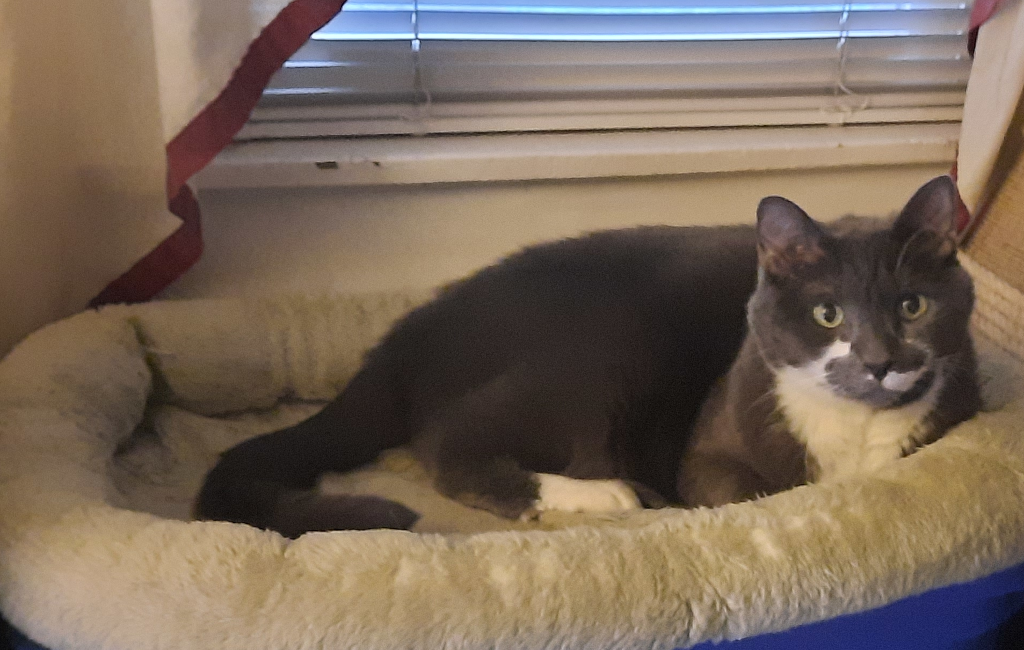 Furniture placement is only one part of an older pet’s familiar environment. Feeding schedules, sleeping habits, human interaction, and regular activities also create a sense of predictability. When rearranging a room, it is helpful to preserve as much of the normal daily routine as possible. Continue meals at familiar times, maintain regular walks or play sessions when appropriate, and avoid unnecessarily changing where essential care takes place.
This becomes particularly relevant for animals managing chronic medical conditions. A diabetic pet, for example, may already have an established schedule involving meals, monitoring, and insulin treatment. There is little benefit in creating additional disruption to that routine simply because a room has been rearranged.
In homes with multiple pets, furniture changes can also alter how animals interact. Removing a table or moving a cat tree may eliminate an escape route or resting area that previously allowed one animal to avoid another.
Pay attention to whether the rearrangement has unintentionally created competition for resources or forced pets into closer contact. Maintaining several accessible resting areas and ensuring that animals can reach essential resources without confrontation can help preserve household harmony.
Recognizing When the Problem May Be More Than Furniture
An older pet that appears unsettled after a rearrangement may gradually regain confidence as the new layout becomes familiar. Persistent distress, however, should not automatically be attributed to the furniture. An animal that repeatedly gets lost in familiar rooms, suddenly bumps into objects, becomes unusually withdrawn, or develops new bathroom habits may have an underlying medical problem.
Pain, visual impairment, hearing loss, cognitive dysfunction, and other health conditions can all affect behavior. Veterinary examination can help identify problems that might otherwise be mistaken for normal aging or simple anxiety.
Seek prompt veterinary attention if your pet develops sudden vision changes, marked disorientation, difficulty standing or walking, or other abrupt neurological or physical changes. Collapse, seizures, or severe distress require emergency veterinary care.
For less urgent but persistent behavioral changes, keeping a brief record can be helpful. Note when the behavior began, which areas of the home seem difficult, whether it occurs during daylight or darkness, and whether eating, drinking, mobility, or elimination habits have changed. Short videos may provide additional information for a veterinary appointment. They can demonstrate how an animal moves through the home and reveal difficulties that may not appear during an examination.
Giving Senior Pets Control Over Their Surroundings
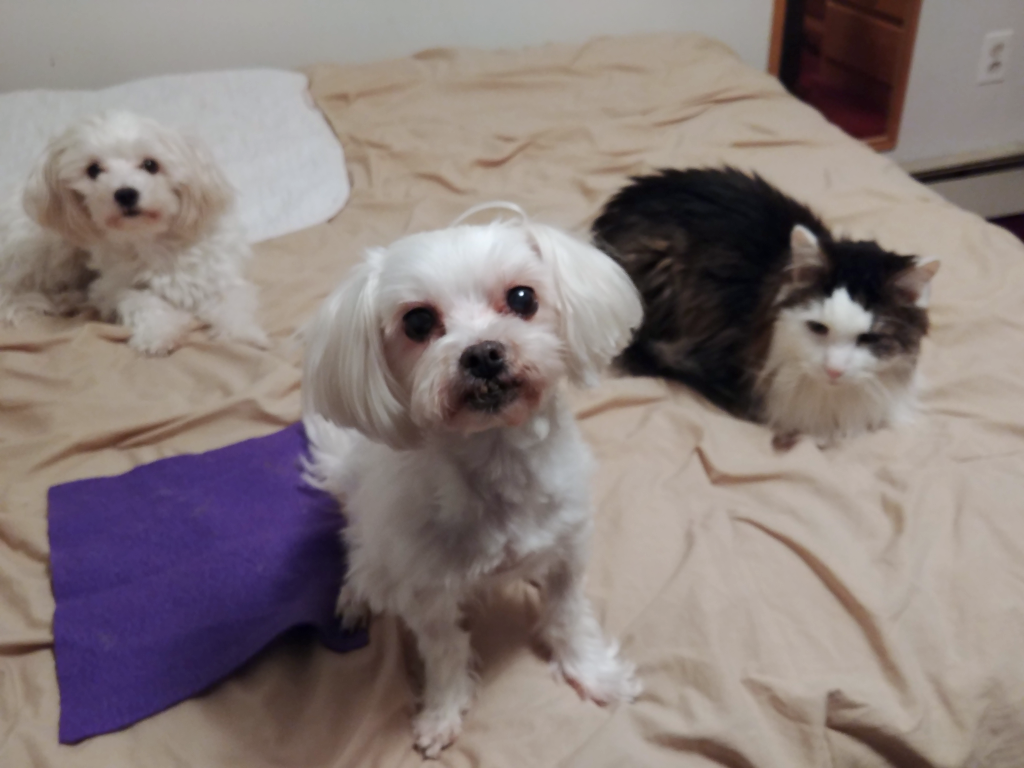 One of the most useful things we can provide an aging pet is the opportunity to make comfortable choices. A senior cat should be able to reach a preferred resting place without being forced to climb beyond its physical abilities. An older dog should have enough room to walk, turn around, and settle without repeatedly encountering obstacles.
Sometimes this requires changing our original plans for a room. A chair may look better against another wall, but if its previous position helped an arthritic cat reach a favorite windowsill, preserving that arrangement may be worth the compromise.
Other times, an adjustment can genuinely improve an older animal’s daily comfort. Replacing an unstable table with a sturdy platform, opening a narrow walkway, or adding a secure ramp may make familiar activities easier rather than more difficult.
The distinction lies in understanding how the animal actually uses its surroundings instead of viewing the room only from our own perspective.
There is also value in leaving certain spaces alone. A favorite bed tucked beside the sofa, a well-established route to the kitchen, or a quiet corner where a cat has rested for years may hold far more practical significance than its appearance suggests.
As our animals grow older, we often become accustomed to accommodating medical appointments, medications, special diets, and changes in activity. Adjusting the home deserves the same thoughtful attention, particularly when familiar surroundings help an aging companion remain comfortable and independent.
A room does not need to stay exactly the same forever. It simply needs to remain a place where an older cat or dog can confidently find its way to the things that matter most: a comfortable place to rest, accessible food and water, familiar people, and the freedom to move without unnecessary difficulty.