



An older dog arrives at an animal shelter with a graying muzzle, worn teeth, and a lifetime of habits that someone once knew by heart. A senior cat sits quietly in an unfamiliar enclosure, surrounded by strange smells and sounds, perhaps having spent the previous ten or fifteen years in the same home. Neither animal understands why everything has changed.
Stories like these often lead to the same heartbreaking assumption: senior pets are routinely abandoned when they become old, sick, or inconvenient. There are certainly cases where that happens, but the actual picture is considerably more complicated. National shelter data reveals some surprising information about older animals, including how frequently they enter shelters, their chances of adoption, and how often they are reunited with their original families.
Understanding those numbers matters because the solutions depend on recognizing why senior pets lose their homes in the first place. Some need new families, while others need help staying with the people who already love them.
What the Shelter Statistics Actually Tell Us
The first challenge in discussing senior pet surrender rates is understanding what the available statistics measure. Animal shelters track how many dogs and cats arrive, whether they were surrendered by owners or found as strays, and what eventually happens to them. However, not every national report provides a complete breakdown connecting an animal’s age with the circumstances surrounding its surrender.
According to the Shelter Animals Count 2025 Annual Data Report, approximately 5.8 million dogs and cats entered shelters and rescue organizations across the United States during 2025. Of those entering directly from communities, approximately 59% were classified as strays, 30% were owner surrenders, and 11% arrived through other circumstances. Those percentages represent animals of all ages. They do not mean that 30% of senior pets were surrendered, nor do they establish that older animals are more likely to be abandoned than younger ones.
The report’s more detailed animal-level records offer a clearer picture of age distribution. Approximately 10% of dogs entering shelters were classified as seniors, while senior cats represented approximately 5% of feline intakes. For this analysis, Shelter Animals Count generally classified dogs and cats aged seven years or older as seniors.
That age definition is useful for comparing shelter populations, but it differs somewhat from veterinary classifications. The age at which a dog becomes a senior depends partly on its size and breed, while many veterinary guidelines consider cats to enter their senior years closer to age ten.
These figures also require an important distinction. A senior animal entering a shelter is not necessarily an animal surrendered by its owner. Some arrive as lost pets, others enter following an owner’s death or hospitalization, and some are transferred between organizations. The age distribution alone cannot tell us how many were deliberately relinquished or whether senior pets face a higher owner-surrender risk than younger animals.
This distinction matters because dramatic claims about elderly animals being abandoned at extraordinary rates can spread without sufficient evidence. Senior pets face genuine challenges, but an accurate understanding begins with separating what the data demonstrates from what people sometimes assume.
Senior Dogs and Cats Face Different Adoption Challenges
 The difficulties facing older animals become more apparent when examining adoption outcomes rather than surrender numbers. Shelter Animals Count’s 2025 analysis found that approximately 37% of senior dogs were adopted relative to their intake numbers, compared with 54% of puppies and adult dogs. This difference points to a meaningful disadvantage for older dogs seeking new homes.
Senior cats showed a different pattern. Their adoption rate was approximately 61%, compared with 69% for adult cats and 71% for juveniles. Older cats still faced a disadvantage compared with many younger cats, but their adoption figures were substantially stronger than those of senior dogs. These percentages measure adoptions relative to intakes within the analyzed records. They are not the probability that any particular animal will eventually find a home, because animals can also leave shelters through reunification, transfers, and other outcomes.
The findings challenge the idea that all senior animals are equally difficult to place. Older dogs may face particularly steep obstacles, while senior cats often have more encouraging adoption outcomes than their reputation suggests. Potential adopters sometimes worry about future veterinary expenses, limited remaining years, or the emotional difficulty of losing an older companion. Others assume that a senior animal will be difficult to train, unable to adjust to a new environment, or already suffering from serious medical problems.
Some concerns deserve consideration, especially when an animal has documented health needs. However, age alone tells us surprisingly little about an individual pet’s temperament, adaptability, or present quality of life.
An older dog may already understand household routines, enjoy relaxed walks, and settle comfortably into a predictable schedule. A senior cat may prefer a quiet household, have established litter box habits, and appreciate companionship without the constant activity associated with younger cats. The challenge is helping potential adopters see the individual animal rather than making decisions based solely on the number of years it has lived.
Many Senior Animals Enter Shelters Without Being Abandoned
One particularly revealing finding from Shelter Animals Count concerns lost pets. In a June 2026 analysis of reunification trends, the organization reported that senior animals frequently had the highest return-to-owner rates across shelter types. For senior dogs entering government and contracted shelters, return-to-owner rates were commonly 50% to 60% or higher, substantially above the rates observed among many younger dogs. Senior cats also showed higher reunification rates than younger cats, reaching approximately 20% to 23% in the analyzed records.
These numbers provide an important counterpoint to the assumption that older pets entering shelters have simply been discarded. Many have families actively searching for them, established ownership histories, and identifiable connections to their previous homes.
An elderly dog with hearing loss might wander through an open gate and fail to respond when called. A cat experiencing confusion or reduced vision might become disoriented after escaping outdoors. These situations can lead to shelter intake even when the animal has a caring owner.
Microchips, updated registration information, identification tags, and local lost-pet reunification efforts can make an enormous difference. For senior animals, especially those with sensory or cognitive changes, preventing permanent separation may be just as important as encouraging new adoptions.
Why Owners Sometimes Surrender Older Pets
 Although abandonment and neglect occur, many owners who relinquish pets are dealing with problems that extend beyond the animal itself. Financial strain, housing restrictions, serious illness, disability, death, and unexpected changes in household circumstances can all contribute to a pet losing its home. Some families face several of these problems simultaneously.
A long-standing owner might develop a medical condition that makes lifting a large dog impossible. An elderly person may need assisted living where animals are not permitted. A family experiencing eviction may struggle to find affordable housing that accepts pets, particularly large dogs. The pet’s age can intensify an already difficult situation. Older animals may require prescription medications, specialized diets, more frequent veterinary examinations, assistance with mobility, or additional supervision during the day.
Research published by the ASPCA in 2015 examined why Americans rehomed dogs and cats. Among the surveyed owners reporting a pet-related reason for rehoming, 26% identified an inability to afford medical care as the underlying problem. Housing restrictions and family circumstances were also significant contributors.
That study examined pets of different ages and should not be interpreted as a senior-specific surrender analysis. Nevertheless, it illustrates how financial and practical barriers can separate animals from otherwise willing caregivers.
After decades of caring for aging animals, we understand how complicated daily care can become. Medication schedules, veterinary appointments, special feeding arrangements, nighttime disturbances, and monitoring chronic conditions can gradually change the demands placed on a household.
These responsibilities are manageable for many families, but not everyone has the same financial resources, physical abilities, transportation, or support system. Recognizing those limitations is necessary if we want to prevent avoidable surrenders.
Keeping Senior Pets in Their Existing Homes
One of the most useful ways to reduce senior pet surrender is to intervene before a household reaches the point where rehoming seems unavoidable. Animal welfare organizations increasingly recognize that helping people keep their pets can be more effective than waiting until those animals enter the shelter system.
Organizations such as Humane World for Animals emphasize affordable veterinary care, pet food assistance, and pet-inclusive housing as practical ways to prevent unnecessary separation. For a household struggling with the expense of managing an older animal’s medical condition, a relatively modest amount of assistance may make continued care possible. Discounted veterinary services, nonprofit assistance programs, prescription cost comparisons, and payment arrangements can sometimes relieve immediate financial pressure.
Veterinarians can also help owners understand which diagnostic tests and treatments are most urgent, which options are available at different price points, and how to establish a realistic care plan. Financial constraints should be discussed openly rather than allowing necessary care to become impossible through silence or embarrassment.
Practical changes within the home can also reduce the burden of caring for an older animal. Non-slip rugs, accessible litter boxes, orthopedic bedding, ramps, and rearranged feeding areas may help animals with mobility limitations maintain independence.
The American Animal Hospital Association recommends regular senior wellness examinations, often approximately every six months, so health changes can be evaluated before they become more difficult to manage. Problems involving mobility, elimination, behavior, appetite, or sleep deserve veterinary attention rather than automatically being dismissed as normal aging.
Temporary caregiving assistance can be equally valuable. Someone who can drive a pet to a veterinary appointment, administer care when appropriately trained, or provide a few days of temporary pet sitting may help prevent a permanent surrender. For some households, the difference between keeping and relinquishing an older animal is not a lack of affection. It is the availability of practical help when the demands of care become overwhelming.
Planning for a Pet’s Future Before an Emergency
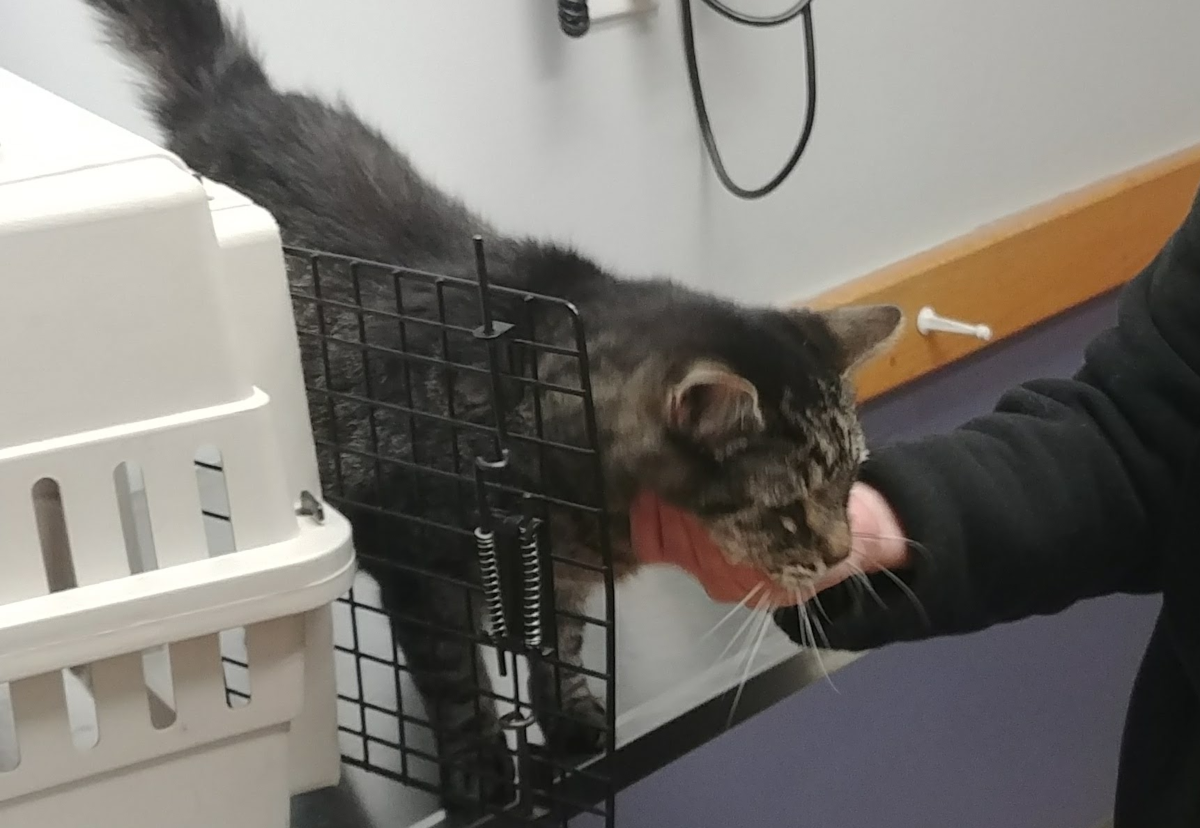 Senior animals are particularly vulnerable when their owners experience medical emergencies or die unexpectedly. A pet that has lived with one person for many years may suddenly need immediate placement with someone who knows little about its needs. Planning ahead can reduce the confusion surrounding these situations.
Pet owners should identify at least one trusted person willing to provide temporary care during an emergency. Ideally, that person should know where medications are stored, which veterinary clinic provides care, how the pet is fed, and whether the animal has any important behavioral or medical considerations.
Written instructions are especially helpful for dogs and cats with chronic conditions. Medication names, dosing schedules, feeding requirements, veterinary contact information, and recent medical records should be kept together and updated whenever care changes.
For pets receiving insulin or other time-sensitive medication, having clear written instructions and identifying a veterinarian who can guide an emergency caregiver becomes particularly important. An unprepared person should not be expected to make independent decisions about prescription treatment.
Owners may also want to discuss longer-term care arrangements with family members and consider documenting their wishes in estate planning materials. A pet’s daily routine can often be preserved more easily when these decisions are made before a crisis occurs.
When Rehoming Becomes Necessary
There are circumstances where keeping a senior pet in its original home is no longer possible, despite sincere efforts to find alternatives. The goal then becomes finding an arrangement that preserves as much stability, safety, and appropriate care as possible. Whenever time allows, owners should contact reputable rescue organizations, senior-pet adoption programs, and local shelters before surrendering an animal. Some organizations offer assisted rehoming services that allow the animal to remain in its current home while potential adopters are evaluated.
An accurate medical and behavioral history can significantly help the next caregiver. Information about veterinary diagnoses, prescribed medications, feeding preferences, mobility limitations, household routines, and the animal’s response to other pets should be documented clearly.
Photographs and descriptions should show the animal’s everyday personality rather than focusing exclusively on age or medical problems. A senior dog that enjoys quiet walks and comfortable afternoons offers a different picture from a listing that simply describes it as an elderly dog with arthritis.
Owners should also avoid concealing medical conditions to make an animal easier to place. Transparency allows adopters to understand the responsibilities involved and helps prevent another surrender caused by unexpected expenses or care requirements. If direct rehoming is considered, prospective caregivers should be screened carefully, and any transfer should comply with local laws and applicable shelter or rescue agreements. An urgent need for placement should never mean disregarding an animal’s safety.
How Communities Can Improve Senior Pet Adoption
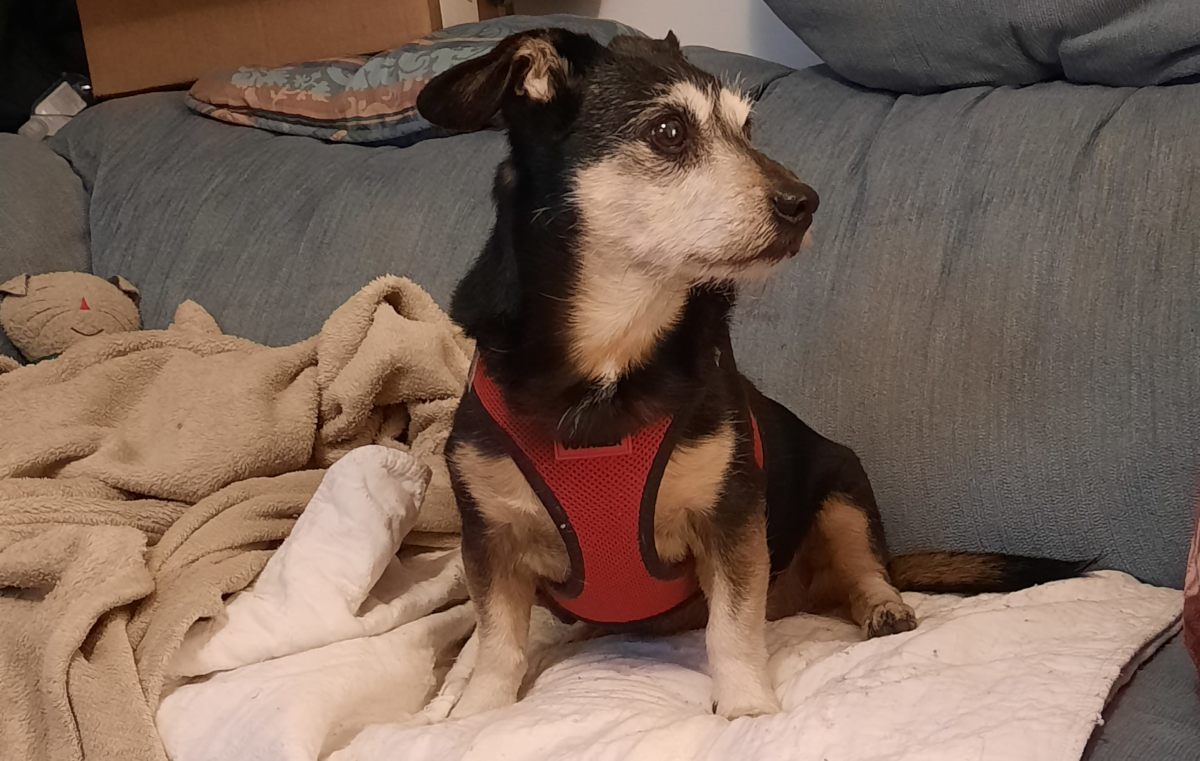 Adoption campaigns that focus exclusively on saving an elderly animal from a tragic outcome can unintentionally reinforce the idea that senior pets are undesirable or burdensome. A more useful approach is to present older animals as individuals with distinct personalities, histories, preferences, and care requirements.
Shelters can improve senior-pet profiles by providing detailed behavioral observations, transparent medical information, and realistic descriptions of daily care. Short videos showing an older dog walking comfortably or a senior cat interacting with a caregiver may help potential adopters appreciate qualities that a single kennel photograph cannot communicate.
Veterinary evaluations and clearly documented treatment plans can also reduce uncertainty. Prospective adopters are better prepared when they understand which conditions are currently being managed and what future care might involve.
Some shelters and rescues offer reduced adoption fees, trial adoption periods, senior-to-senior programs, or financial assistance for pets with medical needs. These programs vary by organization, but they may help remove barriers that would otherwise prevent a suitable adoption.
Temporary foster homes serve another valuable purpose. They can give senior animals a quieter environment while helping shelter staff learn about their household behavior, sleeping patterns, interactions, and daily care requirements. This information can improve adoption matching and reduce the possibility that an animal will be returned because its needs were misunderstood.
Ways to Help Without Adopting Another Pet
Not everyone can adopt a senior dog or cat, particularly households already caring for aging animals with complex needs. There are still meaningful ways to improve outcomes for older pets in the community. Volunteering with a shelter or rescue can help animals receive more personal attention. Walking senior dogs, spending quiet time with older cats, cleaning kennels, preparing food, or helping with transportation all support the people responsible for their care.
People with photography or writing skills can help create better adoption profiles. A clear photograph, an engaging description, and an honest account of an animal’s needs may encourage someone to consider a pet they would otherwise overlook.
Financial contributions can be directed toward veterinary examinations, dental procedures, diagnostic testing, medications, or other expenses involved in preparing senior pets for adoption. Some organizations offer sponsorship programs that allow supporters to help cover the care of a specific animal.
Temporary fostering is another option for people who have the appropriate space, schedule, and experience. Older pets recovering from illness or coping poorly with the shelter environment may benefit from time in a suitable home while permanent placement is arranged.
Supporting pet food banks, emergency boarding programs, low-cost veterinary clinics, and housing assistance initiatives can help animals that have not yet entered the shelter system. These efforts may be less visible than adoption campaigns, but they address some of the circumstances that lead to surrender in the first place.
Giving Senior Pets a Fair Opportunity
 The shelter experience of an older animal is shaped by much more than its age. Health, temperament, previous living conditions, available shelter resources, local adoption demand, and the circumstances of intake all influence what happens next. For potential adopters, this means evaluating the individual animal rather than assuming that senior status automatically brings overwhelming medical responsibilities or limited companionship.
A responsible adoption begins with reviewing the pet’s available veterinary records, discussing any known conditions, and considering whether the household can provide appropriate ongoing care. Questions about mobility, feeding, medication, behavior, and expected veterinary expenses should be answered as clearly as possible. It is also reasonable to discuss uncertainty. No shelter can guarantee how long an animal will live or predict every future health problem, but honest conversations can help adopters prepare without making unnecessary assumptions.
For someone considering a senior cat, the practical details might include providing accessible litter boxes, a quiet resting area, and a gradual introduction to the household. For a senior dog, appropriate exercise, comfortable sleeping arrangements, and an understanding of existing mobility needs may be more relevant than an ambitious training schedule. A shelter can help by allowing time for those conversations instead of treating senior adoption as an emotional decision that must be made immediately.
Older animals deserve placement decisions based on their actual needs and the ability of a prospective caregiver to meet them. When that information is available and openly discussed, a senior dog or cat has a better opportunity to enter a home where the daily routine, medical care, and companionship are suited to the years ahead.