



There is something remarkable about realizing how much of your pet’s life revolves around you. We move through our days surrounded by work, responsibilities, conversations, and countless distractions. Our pets experience a smaller circle of familiar people, places, and routines, and we often occupy a particularly significant place within it. The things we consider ordinary, such as coming home, sitting down, preparing a meal, or settling into bed, can become important moments in their day.
Sometimes the realization comes from watching a dog follow you from one room to another or noticing that a cat has chosen to sleep nearby, even when several comfortable places are available elsewhere. Perhaps your pet recognizes the sounds associated with your return or appears at the same time each evening, expecting a familiar routine. These behaviors become so familiar that we rarely stop to consider what they reveal about the relationship.
Being the center of your pet’s world does not mean you are the only thing that matters to them. Dogs and cats have their own interests, preferences, relationships, and ways of experiencing their surroundings. Still, the influence we have over their comfort, security, and opportunities for enjoyment is considerable. Understanding that relationship can change how we think about the ordinary time we spend together.
How a Familiar Person Becomes a Source of Security
Dogs and cats develop relationships with people through repeated experiences. Feeding, play, physical contact, shared routines, and responses to their behavior all contribute to how they learn to interact with us. Over time, a familiar caregiver may become someone an animal approaches for reassurance or seeks out during uncertain situations.
Researchers have investigated this relationship in dogs using the concept of a secure base, which describes how the presence of a trusted individual can influence another individual’s willingness to explore or engage with its surroundings. In a 2013 study published in PLOS ONE, researchers examined how 20 dogs interacted with a food-reward problem-solving apparatus under different conditions. The dogs spent more time manipulating the apparatus when their owners were present than when they were absent, regardless of whether the owners offered encouragement. Replacing the owner with an unfamiliar person did not produce the same effect.
The findings suggest that a familiar person’s presence can influence a dog’s behavior beyond situations involving direct attention or assistance. Although the study involved a relatively small group of dogs performing a specific task, it offers evidence that the identity of a trusted caregiver can matter. It does not establish that all dogs respond identically or that an owner’s presence is necessary for a dog to feel comfortable in every setting.
Cats have also demonstrated attachment behaviors toward human caregivers. A 2019 study published in Current Biology reported evidence of distinct attachment patterns in cats using behavioral assessments adapted from research on human infants. The researchers observed how cats responded to brief separations and reunions with their caregivers. These findings support the idea that cats can develop meaningful attachment relationships with people, although researchers cannot determine the full subjective emotional experience of an animal from its behavior alone.
These studies provide a scientific perspective on behaviors that experienced pet owners frequently recognize. A dog that relaxes when its owner returns or a cat that seeks proximity after an unsettling experience may be responding to an established relationship. However, the absence of obvious affection does not mean that a bond is missing. Some animals are highly expressive, while others demonstrate familiarity and trust through quieter behavior.
How Your Daily Routine Becomes Part of Their Life
 People often underestimate how much their habits influence the animals living with them. The sound of a food container opening, the familiar sequence before an evening walk, or the activity surrounding bedtime can become predictable features of a pet’s environment. Dogs and cats learn associations between events and their consequences, allowing them to anticipate familiar experiences.
For a dog, the preparation for a walk might be one of the most interesting parts of the afternoon. A cat may associate someone settling into a particular chair with an opportunity for quiet companionship. These associations develop through repetition, and their significance can extend beyond an immediate reward such as food or play.
Predictability can make daily life easier for animals, particularly when the household is otherwise busy or changing. Reliable access to food, water, comfortable resting places, and appropriate activity gives pets an environment they can become familiar with. Exact schedules do not need to be identical every day, but sudden disruptions can be unsettling for some animals, especially those with established medical or behavioral needs.
The quality of shared activities also deserves attention. A dog walking through a neighborhood may find considerable enjoyment in stopping to investigate scents rather than covering the greatest possible distance. A cat may prefer a short interactive play session that imitates hunting behavior over a longer period of unwanted handling. Paying attention to what an individual animal finds rewarding makes shared time more satisfying.
There is value in the ordinary moments when nothing particularly interesting happens. A pet resting nearby while someone reads, works, or watches television is participating in a familiar household routine. The animal may be perfectly content with that arrangement without requiring constant entertainment or physical attention. Comfortable companionship often involves having the freedom to remain close without being expected to interact.
The Small Ways Pets Communicate Their Trust
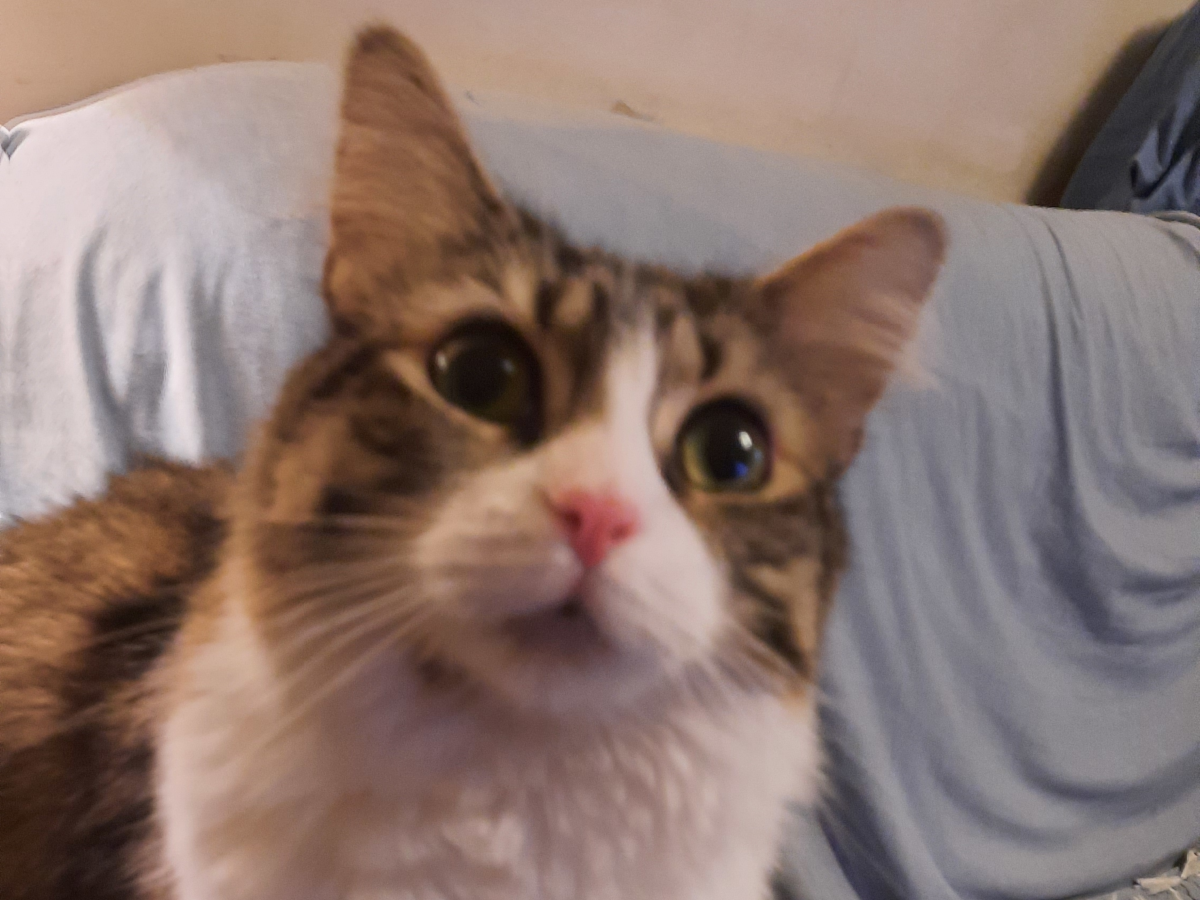 Affection between people and animals does not follow a single pattern. Some dogs greet their owners enthusiastically, while others approach calmly and remain nearby. Cats may rub against familiar people, seek physical contact, or choose to rest in locations associated with their caregivers. Individual personality, previous experiences, and the immediate situation can influence how these behaviors appear.
Their meaning also depends on context. A dog following someone into another room might be anticipating food, seeking companionship, or responding to activity in the household. A cat vocalizing near its owner could be requesting attention, expecting a meal, or communicating another need. No single behavior provides a complete explanation of what an animal is experiencing.
Understanding your pet involves recognizing patterns rather than assigning human emotions to every action. A cat that normally enjoys being touched but begins avoiding contact may be communicating discomfort or a change in preference. A dog that previously relaxed during routine household activity but suddenly becomes restless may be responding to environmental changes, anxiety, or a physical problem.
The familiarity that develops through years of shared life makes these differences easier to recognize. You become accustomed to how your pet behaves when comfortable, what tends to attract its attention, and which situations it would rather avoid. That accumulated knowledge is particularly useful when an animal begins to age or develops health problems.
Trust may also be reflected in an animal’s willingness to remain relaxed around a person. A cat sleeping comfortably nearby or a dog resting while normal household activity continues may be showing that the environment feels familiar and secure. These observations are meaningful without interpreting every movement as a deliberate expression of love.
Being Important to Your Pet Also Means Respecting Their Independence
The affection we receive from our animals can make it easy to focus on what they contribute to our lives. They provide companionship, familiar routines, amusing behavior, and a presence that becomes woven into the household. Yet the relationship contains a substantial difference in responsibility because domesticated pets depend on people to provide much of what they need.
We determine when food is available, whether the home is comfortable, and how opportunities for exercise and exploration are provided. We also influence the amount of control an animal has over its surroundings. A dog cannot independently decide to visit an interesting park, and an indoor cat depends on the household environment for opportunities to climb, investigate, scratch, and engage in natural behaviors.
Recognizing this dependence encourages us to examine daily life from the animal’s perspective. A home may feel comfortable and interesting to its human occupants while offering limited opportunities for a pet to engage in preferred activities. Appropriate toys, scratching surfaces, resting areas, safe places to retreat, and opportunities for exploration can make that environment more suitable for the animal living there.
Emotional closeness should never require a pet to remain constantly beside its owner. Dogs benefit from appropriate opportunities to investigate their surroundings and make choices during activities. Cats often appreciate having control over whether they approach, remain near, or withdraw from social contact. Respecting those preferences allows companionship to occur without creating unnecessary conflict.
The AAFP and ISFM Feline Environmental Needs Guidelines, published in 2013, emphasize positive, predictable human interaction while respecting a cat’s ability to initiate, control, and end contact. Their recommendations also recognize the importance of safe resting places, opportunities for play, and appropriate access to environmental resources. Forcing physical interaction or repeatedly disturbing a resting cat can work against the comfortable relationship an owner is trying to maintain.
An animal choosing to rest in another room is not necessarily avoiding its caregiver. A cat may simply prefer a particular temperature, surface, or quiet location, while a dog may seek an undisturbed place to sleep. Allowing those choices can be part of providing an environment where the animal feels comfortable.
When Your Pet Grows Older, Your Role May Change
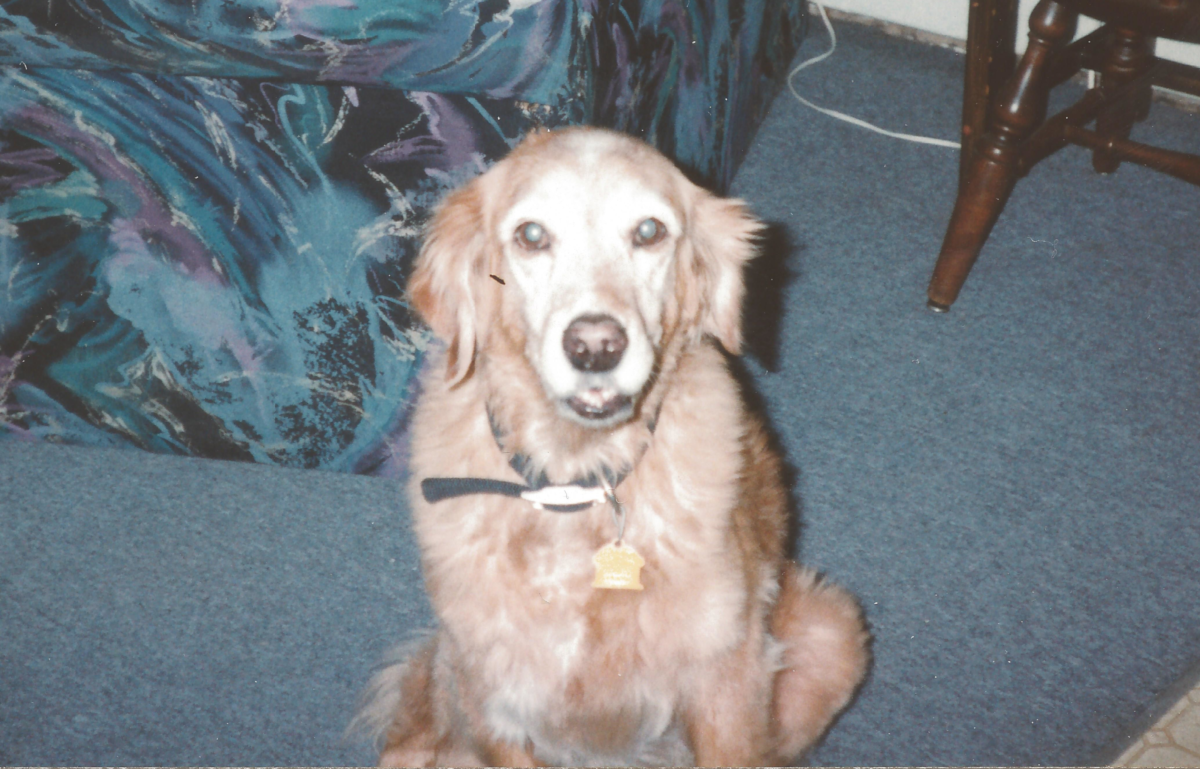 Aging can gradually alter how pets interact with their owners. Physical limitations, sensory changes, chronic conditions, and differences in energy levels may affect where an animal rests, how frequently it seeks attention, and which activities remain comfortable. A dog that once greeted everyone at the door may move more slowly, while a cat that previously jumped onto a favorite chair may begin using a lower resting place.
Changes in hearing or vision can also influence an animal’s response to familiar people. A pet with reduced hearing may not recognize an owner’s approach until visual contact is made or nearby movement becomes noticeable. An animal with impaired vision may rely more heavily on familiar surroundings and predictable household arrangements. These adjustments do not automatically indicate a change in affection or attachment.
Behavioral changes should never be dismissed simply because an animal is older. The American Animal Hospital Association’s senior-care guidelines describe how cognitive dysfunction can affect interactions with familiar people, sleep patterns, activity, and behavior. Dogs may show decreased interaction or disorientation, while cats with cognitive dysfunction may display increased vocalization or changes in social behavior. Pain, sensory impairment, and other medical conditions can cause similar signs, so new or persistent changes deserve appropriate veterinary assessment.
Living with an aging animal often requires reconsidering familiar routines. A favorite resting place may need to be made easier to reach, or a long walk may become a shorter outing that allows more time for investigation. A cat that no longer enjoys being lifted might still welcome attention while resting comfortably on a low bed or cushion.
These adjustments allow companionship to continue without expecting the animal to participate exactly as it did years earlier. The relationship remains familiar, but the physical circumstances surrounding it may change considerably. Owners who recognize these differences can adapt the environment rather than repeatedly asking an aging pet to perform activities that have become uncomfortable.
Long-term caregiving can also make an owner more aware of an animal’s dependence. Medication schedules, special feeding arrangements, assistance with mobility, and regular health observations may become part of everyday life. Caring for an older pet often involves coordinating these responsibilities while preserving opportunities for ordinary enjoyment.
A dog living with arthritis may still appreciate being included in household activity, even when vigorous play is no longer comfortable. A cat receiving treatment for a chronic condition may continue to seek familiar resting places and social contact between necessary care routines. Maintaining those parts of daily life helps ensure that an animal’s experiences do not become centered entirely on its medical needs.
When Attachment Becomes Separation Distress
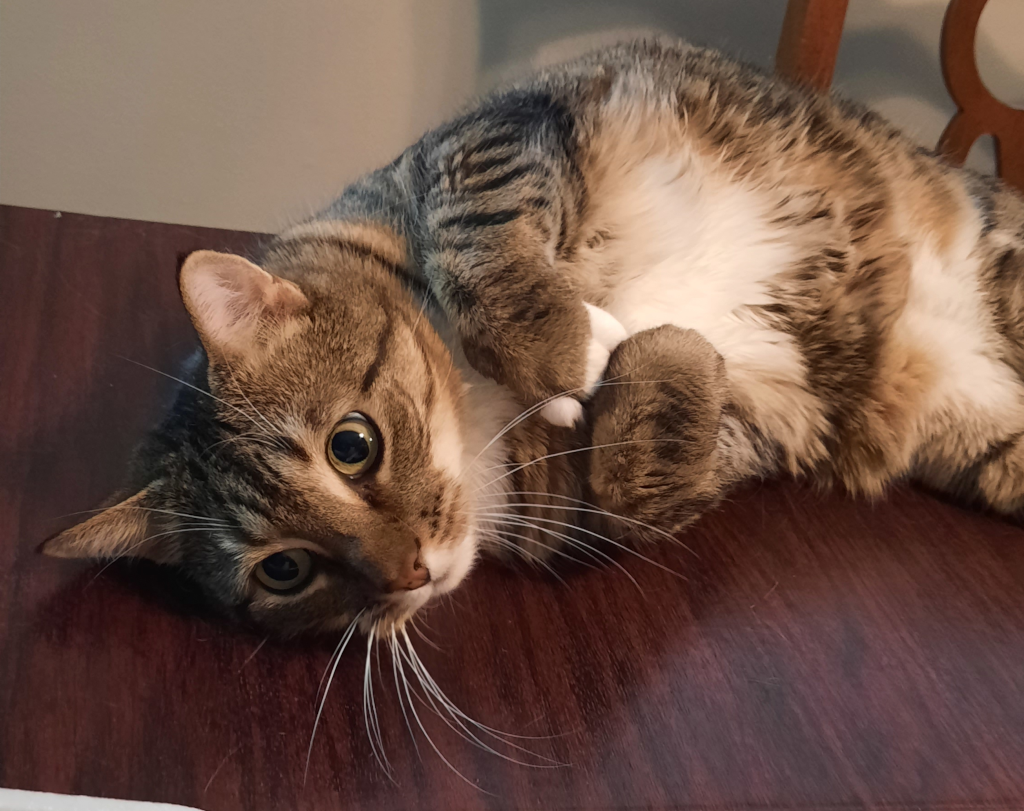 A strong relationship with an owner does not automatically mean a pet will struggle whenever that person leaves. Many dogs and cats maintain close social relationships while remaining comfortable during ordinary periods alone. Healthy attachment and difficulty coping with separation are related subjects, but they should not be treated as interchangeable.
Some dogs experience separation-related distress that may involve persistent vocalization, destructive behavior, inappropriate elimination, pacing, or attempts to escape when left alone. The ASPCA’s guidance on separation anxiety in dogs explains that these behaviors can indicate distress rather than deliberate disobedience. However, similar behaviors can have other medical or behavioral explanations, and the circumstances surrounding them are essential to understanding the problem.
An owner noticing concerning behavior may find it useful to record what happens before departure and during an absence, perhaps using a camera when practical. Observations can help establish whether the behavior begins immediately after separation, continues throughout the absence, or occurs in response to another event. Persistent distress warrants professional evaluation, particularly when an animal risks injury while attempting to escape.
Punishment is not an appropriate response to separation-related anxiety and may increase distress. Treatment can involve carefully planned behavior modification, changes in the home environment, and veterinary-directed care when needed. Simply leaving an already distressed animal alone for progressively longer periods is not a reliable solution and can worsen the problem.
Dogs and cats differ in their social behavior, and separation-related problems should not be assumed to look identical in both species. In cats, changes such as excessive vocalization, elimination outside the litter box, or destructive behavior require consideration of medical and environmental causes before attachment-related distress is suspected.
Helping pets develop appropriate independence is compatible with maintaining a close relationship. Comfortable resting areas, suitable activities, and predictable interactions can support animals that tolerate separation well. When a pet already has significant difficulty being alone, the goal is to address its specific distress rather than reduce the affection it receives from its caregiver.
You Can Be Their Most Familiar Person Without Doing Everything Alone
The realization that an animal depends heavily on you can bring a considerable sense of responsibility. Pet owners sometimes feel guilty about working, traveling, managing other commitments, or being unable to provide constant attention. Yet appropriate care does not require one person to remain available every moment, and many animals can develop comfortable relationships with more than one trusted caregiver.
Family members, experienced pet sitters, and other suitable caregivers can provide continuity when the primary owner is unavailable. Introducing another reliable person to a pet’s feeding arrangements, preferred activities, and established routines may make future changes easier to manage. This becomes particularly valuable for animals that require regular medication or have specific mobility and health requirements.
Households managing chronic illness can benefit from keeping written care instructions accessible. Information about prescribed medications, feeding schedules, veterinary contact details, and warning signs identified by the treating veterinarian can reduce confusion if someone else unexpectedly needs to step in. For pets with diabetes or other conditions requiring carefully timed treatment, backup arrangements should involve someone properly instructed in the individual animal’s care.
The same preparation matters for pets without chronic health problems. Unexpected hospitalization, family emergencies, or travel disruptions can leave an owner temporarily unable to provide care. Making sure another trusted person knows the animal’s routine, where supplies are kept, and whom to contact can prevent an already difficult situation from becoming unnecessarily disruptive for the pet.
Some animals adapt readily to additional caregivers, while others require gradual introductions and time to become comfortable. An older cat with established preferences may be less receptive to sudden changes than a sociable dog accustomed to different people. Planning around the animal’s temperament is more helpful than assuming every pet will respond in the same way.
The Time You Share Looks Different From Their Side
 One of the more difficult aspects of living with animals is recognizing how differently we experience a shared lifetime. Our days contain responsibilities and events that may have little to do with our pets, while their lives unfold largely within the environment and opportunities we provide. Years can pass while familiar feeding routines, resting places, and daily interactions continue with relatively little change.
This becomes particularly noticeable with senior animals. Their abilities may change gradually enough that we adjust without giving each change much thought. A walk becomes shorter, a favorite resting place moves closer to the floor, or an evening routine begins a little earlier. The relationship continues through these adjustments, even as the animal’s needs become different from those of its younger years.
There is no need to turn every interaction into a special occasion. A comfortable place beside you, a few minutes of enjoyable play, an opportunity to investigate an interesting scent, or the freedom to rest undisturbed may be exactly what your pet prefers at that moment. Learning to recognize those preferences often provides more value than trying to create elaborate experiences simply because we believe we should.
The time available for companionship also varies from day to day. Some days allow for long walks, extended play, or hours spent together. Others offer only brief interactions around work and household obligations. What matters is that the animal’s physical and behavioral needs continue to be met and that the relationship provides dependable opportunities for positive contact.
Understanding how much influence we have over a pet’s daily life can also change the way we approach decisions that initially seem insignificant. Giving an older dog enough time to investigate a patch of grass, allowing a cat to approach on its own terms, or rearranging a room so a familiar resting place remains accessible can directly affect the animal’s comfort and enjoyment.
As pets age, their opportunities to explore and participate in familiar activities may become more limited. Owners can respond by adapting those experiences to the animal’s abilities, rather than simply eliminating them. An older dog unable to manage a long walk may still enjoy a short outing with plenty of time to investigate scents. A cat with reduced mobility may continue to enjoy watching outdoor activity from a safely accessible window perch.
Those choices deserve particular attention when an animal’s world has become smaller because of illness, disability, or reduced mobility. A comfortable home can still provide variety, appropriate activity, familiar companionship, and opportunities for an animal to make choices about its surroundings. Maintaining these experiences requires observing what the pet can comfortably do now, rather than measuring enjoyment against what it could do years earlier.
A pet’s world may revolve around a familiar caregiver, but the experiences available within that world are shaped by countless daily decisions. We decide whether there is time for an enjoyable activity, whether an older animal can still reach its preferred resting place, and whether its changing needs are accommodated within the household. Those practical choices determine much of how an animal spends its days, including the many hours when nothing extraordinary happens.