
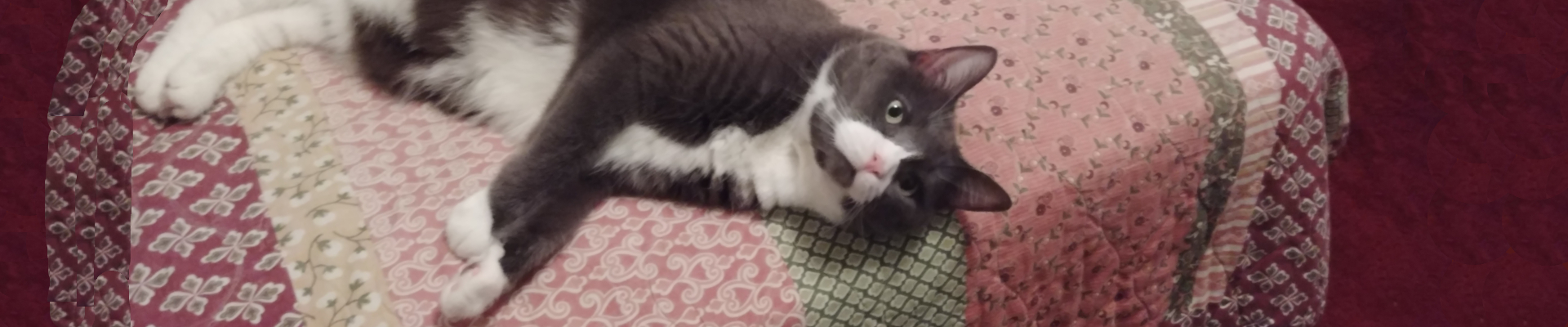


A small throw rug can seem harmless until an older pet catches a paw on its edge or causes it to slide across the floor. For dogs and cats dealing with stiff joints, reduced mobility, or changes in balance, an unstable rug introduces an obstacle that may be difficult to manage. Something as ordinary as walking from a favorite sleeping spot to the water bowl can become more challenging when the flooring shifts beneath their feet.
At BellenPaws, we prefer to avoid loose throw rugs in areas frequently used by pets with mobility difficulties. The concern is their tendency to move, wrinkle, or develop raised edges that interfere with an animal’s footing. Removing them requires some planning, however, because uncovered hardwood, laminate, and tile floors can also present difficulties for animals that struggle with traction.
The most practical approach is to examine how a pet moves through the home and identify surfaces that make walking, turning, or standing more difficult. Some areas may benefit from secure floor coverings, while others are better left unobstructed. Understanding the difference helps create a safer environment without introducing unnecessary obstacles.
Why Loose Throw Rugs Become a Problem for Stiff Pets
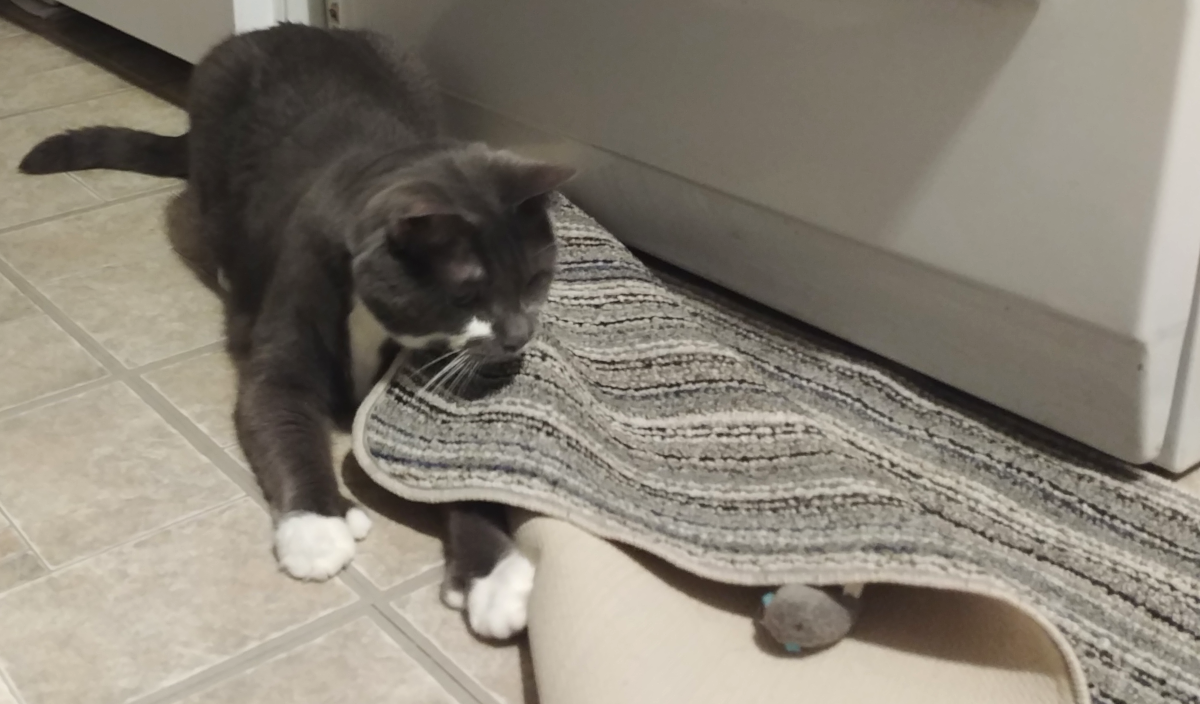
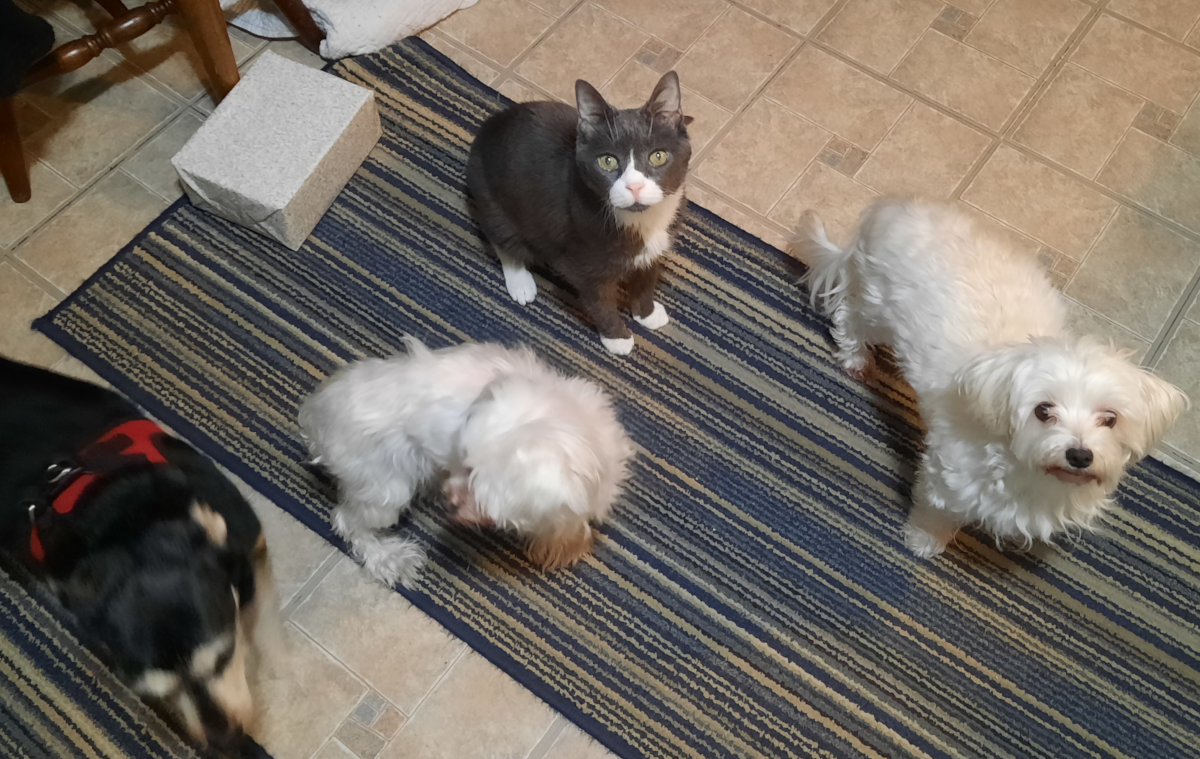 Throw rugs are often lightweight and designed to be moved or repositioned easily. Their flexibility makes them convenient for decorating and cleaning, but those same characteristics can create problems for an animal that depends on predictable footing. A rug may bunch beneath a paw, curl at the corners, or slide when an animal changes direction.
Pets with joint stiffness may have difficulty lifting their paws, turning, or making quick adjustments to their posture. A dog that previously stepped over a slightly raised rug edge without hesitation might begin catching its toes as its stride becomes shorter. An older cat could have difficulty recovering its balance when a rug shifts during a quick turn or while stepping down from furniture.
These problems are particularly noticeable where different flooring materials meet. A pet walking across smooth tile may encounter a rug that moves forward under the pressure of its front paws. If the animal is already experiencing pain, weakness, or impaired coordination, correcting its footing may be more difficult.
Fringed rugs and those with curled edges introduce additional concerns. Claws can catch in loose loops or decorative fringe, while folded corners create small obstacles directly in an animal’s walking path. Thick, uneven rugs may also interfere with pets that cannot lift their feet as freely as they once did. Although these hazards do not mean every loose rug will cause an injury, removing an unstable surface eliminates one avoidable source of difficulty.
How Arthritis and Reduced Mobility Affect Footing
Osteoarthritis is a common cause of stiffness and mobility difficulties in dogs and cats. The condition involves progressive changes within affected joints, including deterioration of cartilage and changes to surrounding bone. These changes can produce pain, inflammation, and reduced movement, although the severity and outward signs vary considerably between animals.
The Cornell University College of Veterinary Medicine’s information on canine osteoarthritis identifies stiffness, altered gait, difficulty rising, and reluctance to climb stairs among the possible signs. These problems can become particularly noticeable after a dog has been resting or when it attempts to turn in a confined space. Some dogs also become less active or begin avoiding movements that previously presented no difficulty.
Changes in movement can affect how an animal responds to flooring. A dog taking shorter steps may have difficulty stepping over a raised rug edge, while one experiencing pain in its hind limbs may struggle to recover from a slip. The specific difficulties depend on which joints are affected and whether other mobility problems are present.
Cats frequently display joint discomfort through changes in everyday behavior rather than obvious limping. An older cat might stop jumping onto a favorite chair, hesitate before climbing stairs, or approach elevated surfaces through a series of smaller movements. The Cornell Feline Health Center’s discussion of joint problems in cats also describes difficulty entering litter boxes and reduced grooming as possible signs of painful joints.
Stiffness and stumbling are not exclusive to arthritis. Neurological conditions, injuries, muscle weakness, and other medical problems can interfere with an animal’s ability to place its feet correctly or maintain balance. Flooring adjustments may make daily movement easier, but they cannot establish what is causing the difficulty.
Why Removing Every Rug Can Create Another Problem
 Hard flooring presents its own challenges for animals with limited mobility. Polished wood, laminate, and tile may provide insufficient traction, particularly when a pet attempts to stand after lying down. A dog’s hind paws may slide outward, or a cat may struggle to maintain its footing while turning.
The American Animal Hospital Association’s 2023 Senior Care Guidelines recommend covering slippery floors with secure rugs and mats to improve traction. This guidance makes a useful distinction between an unsecured decorative rug and a floor covering that stays firmly in position. The recommendation supports modifying the home environment for animals with reduced mobility, although it does not establish that any particular rug design prevents falls.
Removing a troublesome throw rug without addressing the exposed floor can leave a pet with a different problem. A dog might no longer catch its paws on a curled corner but could begin slipping when rising from the same location. For an animal already experiencing discomfort, repeated difficulty getting up may affect its willingness to move around the home.
We favor replacing unstable rugs with coverings that remain flat and firmly positioned. In some homes, that might mean a secured runner along a frequently used hallway. In others, a large non-slip mat near the pet’s bed may provide enough traction without covering an entire room.
Choosing Floor Coverings That Stay Secure
A suitable floor covering should remain in place when a pet steps onto it, turns around, or pushes against it while standing. Rugs with effective non-slip backing are generally more practical than lightweight decorative pieces that move freely. The backing must grip the particular flooring beneath it, since a material that works well on one surface may still slide on another.
Low-profile rugs are often easier to incorporate into walking areas because they create less of a height difference between the rug and the surrounding floor. Flat, securely finished edges also reduce opportunities for paws to catch. Thick fringe, loose fibers, curled corners, and uneven surfaces are features worth avoiding when selecting a covering for a pet with mobility difficulties.
The VCA Animal Hospitals guide to creating a comfortable home for mobility-compromised dogs recommends non-slip rugs and runners without raised edges or corners. It also encourages owners to observe their dog’s posture and movement on different surfaces. This is useful because a covering that appears stable during ordinary household activity may behave differently under an animal’s paws.
Rubber-backed mats, non-slip runners, and interlocking floor tiles are possible alternatives. Each option has limitations involving grip, thickness, durability, and ease of cleaning. Interlocking tiles, for example, must fit securely together without loose sections that lift or separate during use.
Rug pads can sometimes improve the stability of an existing covering, provided the pad is compatible with the rug and underlying floor. Adhesive rug grippers are another possibility, although they must remain securely attached and should not expose pets to loose material they could chew or swallow. Products that initially grip well may become less effective as they wear or accumulate dirt.
Before placing a covering in regular use, check whether it slides, wrinkles, or lifts when pressure is applied from different directions. Pay particular attention to corners and transitions between surfaces, then observe the pet walking across the area during normal activity. A covering that visibly shifts beneath the animal should be secured more effectively or replaced.
Identifying the Areas Where Traction Matters Most
 A pet does not necessarily need a fully carpeted home to move comfortably. Providing secure footing along frequently used routes may be more practical, especially in homes where installing permanent flooring is expensive or unrealistic. The best locations depend on the animal’s habits and the places where movement becomes difficult.
Sleeping areas deserve particular attention because getting up from a resting position can require considerable effort for an arthritic dog. A secure mat beside the bed may provide better traction as the animal positions its paws and rises. The surrounding area should offer enough room for the dog to stand and turn without immediately encountering furniture or another obstacle.
Food and water stations are another priority. Some pets struggle to maintain a comfortable standing position while eating or drinking, especially when their feet slide on smooth flooring. A non-slip covering can provide a more stable surface, provided it remains flat and does not create an obstacle around the bowls. Spills should be cleaned promptly because moisture can reduce traction on some materials.
For cats, consider the surfaces surrounding litter boxes, favorite resting areas, and places where they climb onto or descend from furniture. A secure mat outside a litter box may provide better footing when an older cat steps out. The covering should remain flat and must not obstruct the entrance, particularly when the cat already has difficulty stepping over the box’s sides.
Hallways and doorways may also require attention, especially where a pet moves between different flooring materials. Several small rugs placed along a route create multiple exposed edges, while one longer, properly secured runner may offer a more continuous walking surface. The pathway should also be wide enough for the animal to turn comfortably without squeezing around furniture.
Dogs and Cats May Need Different Flooring Arrangements
Dogs and cats use their living spaces differently, which affects where stable surfaces are most useful. Dogs generally travel along floor-level routes between resting areas, feeding stations, doors, and their owners. Cats frequently combine floor movement with climbing and jumping, making the areas around furniture and elevated resting places particularly relevant.
For a dog with hind-leg stiffness, the floor near its sleeping area may be especially challenging. The animal must position its feet securely while pushing itself upright, sometimes after remaining in one position for an extended period. A firmly anchored mat can provide grip without moving as the dog’s weight shifts.
Foot care also deserves consideration when evaluating a dog’s traction. Excessively long nails and fur extending between the paw pads can interfere with secure footing in some dogs. Appropriate nail trimming and paw grooming may help address these problems, although animals with painful paws or difficulty tolerating handling may need assistance from a veterinary professional or experienced groomer.
Cats often require stable landing areas near furniture they continue to use. A slippery rug beside a couch may create difficulties when a cat descends, particularly if joint pain interferes with its ability to adjust its posture. Secure floor coverings, properly positioned pet steps, and accessible resting areas can reduce the need for uncomfortable movements.
The VCA guidance on helping cats with osteoarthritis discusses non-slip surfaces, accessible litter boxes, and stable steps or ramps among the environmental changes that can support mobility. These recommendations are especially relevant for cats that have started avoiding familiar activities. Steps and ramps should be stable, appropriately sized, and positioned where the cat can approach and leave them without encountering another slippery surface.
Claw condition is another consideration for older cats, particularly those that scratch less frequently. Overgrown nails can catch on rug fibers or interfere with comfortable paw placement. Checking the paws regularly helps identify nails that need attention, while careful trimming reduces the risk of injuring the sensitive tissue inside the claw.
Recognizing When a Stumble Signals a Health Problem
 An occasional stumble may be associated with a loose rug, clutter, or an unfamiliar surface. Repeated stumbling deserves closer attention, particularly when the animal previously moved comfortably through the same area. Changes in stride length, paw placement, or willingness to walk can indicate discomfort or a developing mobility problem.
Patterns are often more informative than an isolated incident. A dog that repeatedly struggles to rise after sleeping, hesitates before climbing stairs, or walks with an uneven gait may be experiencing joint pain or another condition affecting movement. In cats, reduced jumping, changes in grooming, or difficulty accessing a litter box can provide similarly useful information.
Brief videos can help document these changes for a veterinary examination. Recording a pet walking across a familiar surface, rising from rest, or turning around may capture movements that are difficult to describe later. It is also useful to record when the problem started, whether it is becoming more frequent, and which surfaces appear to make it worse. Avoid making a painful or unstable animal repeat difficult movements simply to obtain footage.
A sudden inability to stand, collapse, or loss of limb function requires emergency veterinary care. Significant trauma, severe pain, or an inability to bear weight on a limb also warrants prompt assessment, with emergency evaluation appropriate when the animal cannot walk or appears seriously injured. The Cornell University Hospital for Animals’ urgent care guidance distinguishes non-life-threatening problems such as weight-bearing lameness from emergencies involving sudden collapse or loss of limb function.
Gradually developing stiffness also warrants evaluation, even when the animal can still move around the home. A veterinary examination can help determine whether arthritis, neurological disease, injury, or another condition is contributing to the problem. Treatment may involve pain management, rehabilitation, or other measures selected for the individual animal. Flooring improvements can support that care by making routine movement less challenging.
Maintaining Safe Walking Surfaces as Mobility Changes
A floor covering that works well when first installed may not remain suitable indefinitely. Repeated washing can affect some non-slip backings, while vacuuming, furniture movement, and ordinary foot traffic can leave corners raised or mats out of position. Regular checks are worthwhile in homes where older pets travel the same routes throughout the day.
Cleaning products can also affect traction. Certain floor treatments leave a slippery finish, while rugs placed over damp flooring may fail to grip properly. Allow surfaces to dry fully before returning mats or permitting pets to cross freshly cleaned areas. Product instructions should also be followed to avoid exposing animals to cleaning residues that could irritate their paws or be ingested during grooming.
Household changes deserve similar attention. Moving a chair, relocating a feeding station, or introducing a new pet bed can redirect an animal through a previously unused part of the room. A senior dog or cat that has difficulty turning may need additional space or a different arrangement to move comfortably around these obstacles.
There is also a practical concern for the people sharing the home. Poorly secured mats can trip human caregivers, especially when carrying food, medications, or an animal that requires assistance. Keeping walking routes clear, maintaining adequate lighting, and selecting coverings with stable edges can make daily caregiving easier without compromising the pet’s footing.
As mobility changes, an arrangement that once worked well may need to be reconsidered. A pet that previously crossed a room comfortably might begin stopping halfway to its destination or avoiding a particular stretch of flooring. Observing where that hesitation occurs can help determine whether a longer secured runner, a different furniture arrangement, or a closer resting or feeding station would be useful.
For animals with substantial mobility limitations, the layout may need to accommodate assistance from a caregiver. A dog using a supportive harness, for example, needs a clear route without loose mats that could shift while someone helps it stand or walk. Positioning necessary supplies within easy reach and keeping frequently used pathways consistently arranged can make these routines more manageable as the animal’s physical needs change.