

Starting thyroid medication can bring noticeable improvements to a pet’s health, particularly when an overactive or underactive thyroid has been affecting their weight, appetite, energy, or behavior. A cat that has been losing weight despite eating constantly may begin regaining weight, while a dog with hypothyroidism may gradually become more active. These improvements are encouraging, but they cannot establish whether the medication is providing the right amount of thyroid control.
Routine bloodwork helps determine whether treatment is working as intended and whether it is affecting other aspects of the animal’s health. Some complications develop before obvious symptoms appear, while others produce signs that can easily be mistaken for the original thyroid disorder. This is particularly relevant for older cats with hyperthyroidism, whose treatment can reveal previously hidden kidney disease.
The first several weeks of treatment establish valuable information about how an individual animal responds to medication. Understanding what the tests measure and how their results influence treatment decisions makes follow-up appointments more meaningful.
Thyroid Treatment Works Differently in Cats and Dogs
Although cats and dogs both depend on thyroid hormones to regulate metabolism, the thyroid disorders most commonly treated in each species are different. Cats frequently develop hyperthyroidism, a condition in which the thyroid gland produces excessive hormones. Dogs are more commonly diagnosed with hypothyroidism, meaning their thyroid gland does not produce enough hormone to meet the body’s needs.
Hyperthyroid cats are often treated with methimazole, a medication that reduces thyroid hormone production. Dogs with hypothyroidism generally receive levothyroxine, a synthetic replacement for the hormone their thyroid gland cannot produce adequately. These medications have different purposes, which affects how veterinarians evaluate their effectiveness.
For cats receiving methimazole, the goal is to reduce excessive thyroid hormone production without suppressing it too far. For dogs taking levothyroxine, treatment must provide sufficient replacement hormone without producing excessive circulating levels. Both conditions require ongoing assessment because medication needs can change, particularly when other illnesses or medications affect the animal’s health.
The American Animal Hospital Association’s 2023 endocrine disease guidelines emphasize regular thyroid hormone measurements in cats receiving methimazole. The guidelines also recommend evaluating blood cell counts, kidney function, and other laboratory findings that may change during treatment.
What Routine Thyroid Bloodwork Actually Measures
 One of the primary measurements used to assess thyroid treatment is total thyroxine, commonly called total T4 or TT4. Thyroxine is a hormone produced by the thyroid gland that helps regulate metabolism throughout the body. Measuring its concentration in the bloodstream provides information about thyroid activity and the effects of medication.
In a cat receiving methimazole, persistently elevated T4 may indicate that hyperthyroidism remains inadequately controlled. A concentration that falls too low can indicate excessive suppression of thyroid hormone production. Veterinarians interpret these findings alongside the cat’s condition, other laboratory results, and treatment history rather than relying on a single number.
For dogs receiving levothyroxine, total T4 helps assess whether sufficient replacement hormone is reaching the bloodstream. The timing of the blood sample relative to medication administration significantly affects interpretation. Thyroid-stimulating hormone (TSH) and, in selected circumstances, free T4 measurements may provide additional information.
Thyroid testing is often accompanied by other laboratory evaluations, especially in cats receiving methimazole. A complete blood count (CBC) measures red blood cells, white blood cells, and platelets, helping identify uncommon but potentially serious blood-related adverse reactions. A blood chemistry panel provides information about kidney function, liver enzymes, and other metabolic measurements.
Kidney assessment may include blood urea nitrogen (BUN), creatinine, and sometimes symmetric dimethylarginine (SDMA). Urinalysis provides additional information about urine concentration and possible kidney abnormalities. These tests are particularly useful in older cats because excessive thyroid hormone levels can affect how kidney disease appears in laboratory results.
The combination of tests depends on the animal’s diagnosis and medical circumstances. An otherwise stable dog receiving levothyroxine may primarily need thyroid hormone monitoring, while an older cat taking methimazole often requires a more extensive evaluation.
How Treating Hyperthyroidism Can Reveal Kidney Disease in Cats
The relationship between hyperthyroidism and kidney function is one of the strongest reasons to monitor bloodwork after beginning treatment. Excessive thyroid hormone affects circulation, including blood flow through the kidneys. In hyperthyroid cats, this can increase the glomerular filtration rate, which describes how much blood the kidneys filter over a given period.
Increased filtration can make certain measurements of kidney function appear more favorable than they would under normal thyroid conditions. Hyperthyroid cats may also lose muscle mass, which can lower blood creatinine concentrations and further complicate interpretation. As a result, existing kidney disease may be difficult to recognize before treatment.
When methimazole reduces thyroid hormone production, kidney blood flow and filtration may decline toward levels associated with a normal thyroid state. Some cats subsequently develop elevated creatinine or BUN measurements, revealing reduced kidney function that was less apparent beforehand. This can occur after medical treatment, radioactive iodine therapy, or surgery because it is associated with correcting hyperthyroidism rather than being unique to methimazole.
The U.S. Food and Drug Administration’s guidance on treating feline hyperthyroidism specifically addresses this relationship. It explains why cats with kidney disease require careful monitoring as thyroid hormone concentrations return toward normal.
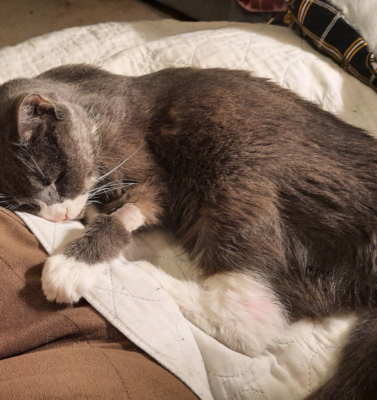
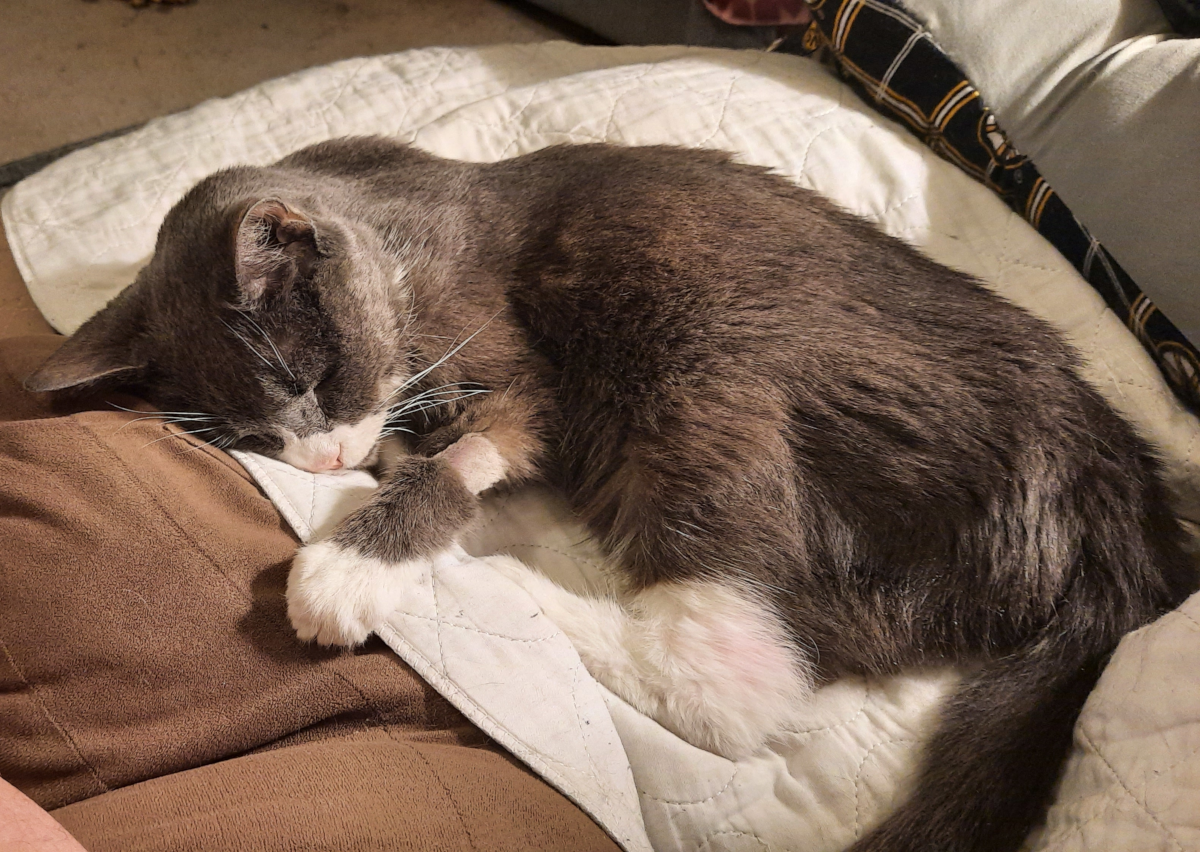
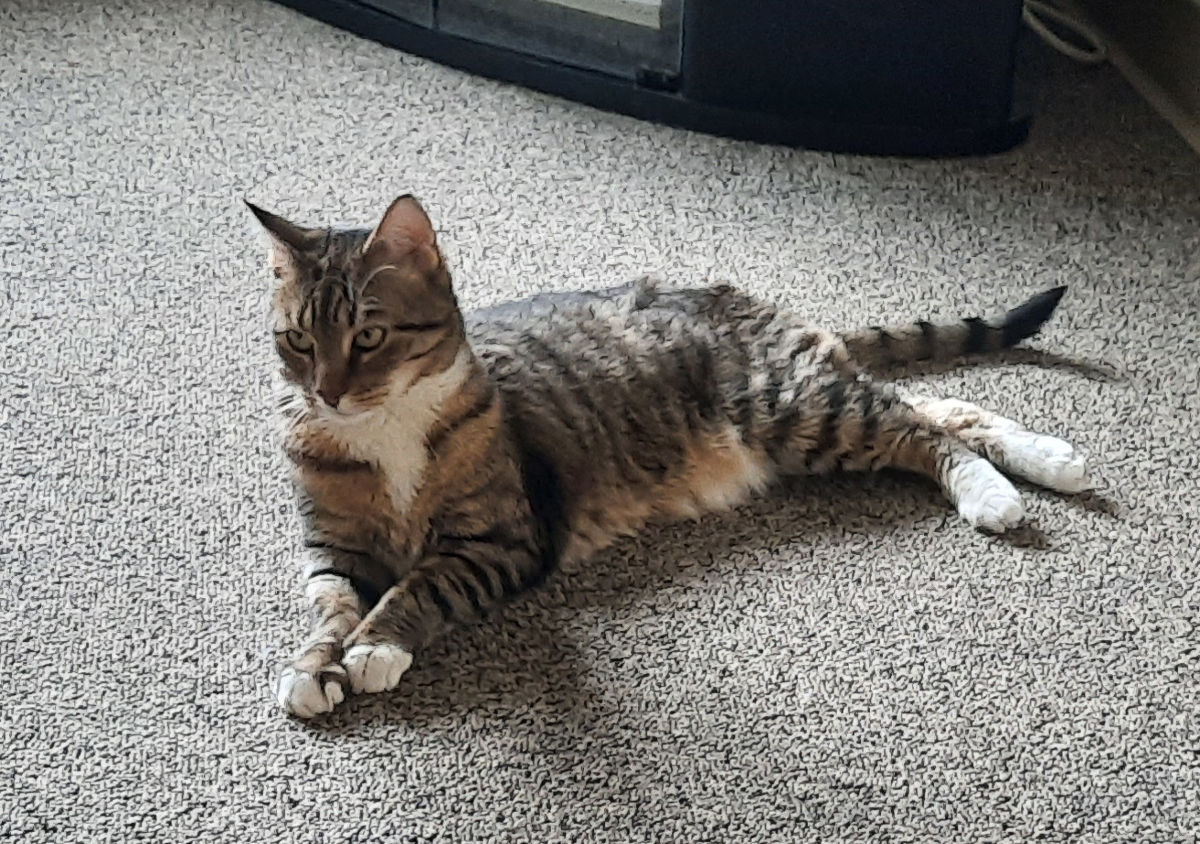
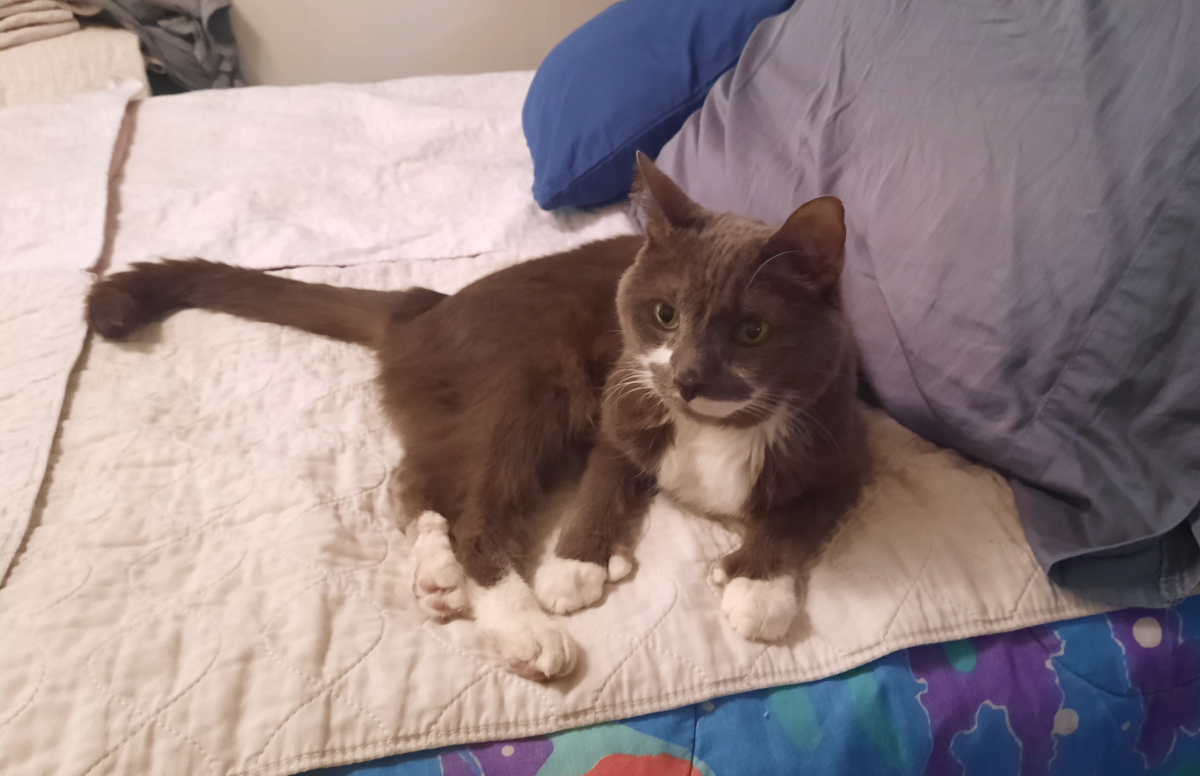
This subject is particularly relevant to BellenPaws because we have cared for several cats with both hyperthyroidism and kidney disease, including Belle and Clyde. Their diagnoses reflect a combination of conditions that owners of aging cats may encounter. The medical decisions involved in managing these illnesses depend on laboratory findings and each animal’s overall health, rather than the presence of either diagnosis alone.
An increase in kidney values after treatment does not automatically establish that methimazole has directly damaged the kidneys. Hydration, blood pressure, urine concentration, thyroid hormone levels, and underlying kidney disease all influence the interpretation. Excessive thyroid suppression can also worsen kidney-related concerns, making appropriate hormone regulation especially relevant in cats with concurrent kidney disease.
When Cats Should Have Bloodwork After Starting Methimazole
 Follow-up testing typically begins within the first few weeks of methimazole treatment. The initial schedule allows the veterinarian to assess thyroid hormone suppression while checking for laboratory changes that might indicate adverse effects or underlying illness.
The FDA’s published monitoring guidance for approved feline methimazole products recommends blood testing before treatment, approximately three weeks after starting medication, again at six weeks, and every three months during continued treatment. These evaluations include thyroid hormone measurements, blood cell counts, and blood chemistry testing. Cats receiving higher medication doses or managing additional illnesses may require more frequent assessments.
The 2023 AAHA guidelines recommend checking T4 every two to four weeks until the desired concentration is achieved. Once a cat is regulated, they recommend a physical examination and appropriate laboratory evaluation at least every six months, with shorter intervals when significant additional illnesses are present. These professional guidelines and FDA monitoring recommendations are not identical, so the appropriate schedule should account for the prescribed product, its labeling, and the individual cat’s health.
Some cats reach an appropriate thyroid hormone concentration relatively quickly, while others require several rounds of testing and medication adjustment. Thyroid disease can also progress during long-term treatment, creating a need for reassessment after an initially stable period.
For cats taking methimazole, T4 measurements generally do not require blood collection at a specific number of hours after the medication is administered. This differs from the monitoring commonly used for dogs receiving levothyroxine. Maintaining an accurate medication record remains useful, especially when a dose has been missed or administration has been inconsistent.
Recognizing Methimazole Side Effects Between Appointments
Bloodwork can identify certain adverse reactions associated with methimazole, but changes observed at home remain valuable. Some side effects appear early in treatment, while others may develop after a cat has been receiving the medication for several months.
Commonly reported adverse effects include vomiting, reduced appetite, decreased activity, and gastrointestinal disturbances. Some cats develop itching or skin lesions, particularly around the face, head, and neck. The medication can also affect liver function or blood cells, although severe reactions are less common.
Repeated vomiting, persistent refusal of food, substantial facial scratching, or unusual weakness warrants prompt veterinary assessment rather than waiting for the next scheduled blood test. Yellowing of the eyes or gums, unexplained bruising, bleeding, or marked lethargy may indicate a more serious problem requiring urgent evaluation. Collapse, difficulty breathing, or severe weakness accompanied by pale gums requires emergency care.
The veterinarian may recommend additional blood testing when these symptoms occur, even if routine laboratory work was recently completed. Certain adverse reactions require discontinuation of methimazole and consideration of another treatment method, while digestive intolerance may sometimes be managed differently. Those decisions depend on the suspected reaction and the cat’s medical findings.
Monitoring Dogs Taking Levothyroxine for Hypothyroidism
 Dogs receiving levothyroxine have a different monitoring process because the medication replaces thyroid hormone rather than suppressing its production. After treatment begins, hormone concentrations must be assessed to determine whether sufficient replacement is reaching the bloodstream.
The AAHA guidelines for canine hypothyroidism therapy recommend beginning treatment monitoring approximately four weeks after starting levothyroxine. Additional testing may be needed sooner if symptoms suggest excessive hormone replacement or the dog’s condition warrants reassessment.
Veterinarians generally evaluate total T4 alongside the dog’s clinical progress. Improvements in activity and alertness may become apparent relatively early, while skin and coat abnormalities often require more time to resolve. Weight changes and other symptoms must be considered in the context of the dog’s broader health.
Excessive thyroid hormone replacement can produce signs such as restlessness, increased thirst, panting, weight loss, and a rapid heart rate. Insufficient replacement may leave the original symptoms unresolved. These findings can also occur with unrelated illnesses, so treatment decisions should be based on an appropriate clinical and laboratory evaluation.
Once thyroid hormone replacement is stable, AAHA recommends total T4 monitoring every six to twelve months for dogs maintained on a consistent twice-daily regimen. Testing may be needed more frequently after medication changes, when clinical signs return, or when another medical condition affects treatment.
Why Blood Draw Timing Matters for Dogs Taking Thyroid Medication
The timing of blood collection is particularly relevant for dogs receiving levothyroxine. After a dose is administered, circulating thyroid hormone concentrations rise and then gradually decline before the next scheduled dose.
AAHA recommends collecting a blood sample approximately four to six hours after levothyroxine administration when using a post-pill monitoring approach. This helps determine whether the medication produces an appropriate peak thyroid hormone concentration. The result is interpreted using treatment-specific expectations, which may differ from the reference range used for an untreated dog.
Some monitoring approaches also involve collecting blood immediately before the next scheduled dose. These pre-pill measurements reflect hormone concentrations later in the dosing interval and are interpreted differently. Comparing pre-pill and post-pill results without accounting for collection timing can lead to misleading conclusions.
The Michigan State University Veterinary Diagnostic Laboratory’s guidance on thyroid testing in dogs explains how medication timing influences measured thyroid hormone concentrations. The laboratory also emphasizes evaluating the dog’s response to treatment rather than interpreting hormone measurements independently of clinical findings.
Food can affect levothyroxine absorption, making a consistent administration routine valuable. If medication is routinely given with meals, the veterinary team should know because this may influence both hormone concentrations and how the results are interpreted. Owners should follow the clinic’s instructions regarding medication and feeding before the appointment rather than independently changing their usual routine.
Why Normal Thyroid Results Do Not Always Mean Treatment Is Fully Regulated
 A thyroid hormone measurement within the expected treatment range is encouraging, but it does not establish that every aspect of the animal’s health has returned to normal. A pet may have another condition producing similar symptoms, or laboratory findings may indicate concerns unrelated to thyroid hormone concentrations.
For example, an older cat may have appropriately controlled hyperthyroidism but continue losing weight because of kidney disease, gastrointestinal illness, or another medical problem. A dog receiving adequate thyroid replacement may remain lethargic because of arthritis, cardiac disease, or an unrelated disorder.
Additional interpretation may also be needed when a laboratory result conflicts with the animal’s physical condition. Illnesses unrelated to the thyroid gland can affect circulating thyroid hormone concentrations, and some medications interfere with testing. In dogs, certain thyroid autoantibodies can also affect laboratory measurements, occasionally requiring a more specialized assay.
These circumstances explain why veterinarians may recommend further investigation even when a thyroid result appears acceptable. The purpose is to identify whether the remaining symptoms are related to thyroid regulation, another illness, or limitations in how the laboratory measurement reflects the animal’s condition.
Keeping Useful Records Between Thyroid Blood Tests
A clear medication and laboratory history can make ongoing thyroid management considerably easier. Recording medication names, prescribed administration schedules, missed doses, and relevant symptoms provides context when results are unexpected.
Body weight is particularly useful to track because changes may reflect thyroid activity or another developing medical problem. For cats recovering from hyperthyroidism-related weight loss, periodic measurements can help document whether weight is returning toward an appropriate level. Using the same scale under similar conditions improves the usefulness of comparisons.
Appetite, water consumption, vomiting, bowel habits, and activity changes may also be worth recording when they differ meaningfully from the animal’s established routine. A dated note about a persistent change is often more informative than lengthy daily descriptions of normal behavior.
Keeping copies of laboratory reports allows owners to review trends across several appointments. A gradual increase in creatinine, for example, may deserve attention even before the measurement exceeds the laboratory’s reference interval. The significance of that trend depends on the complete medical picture, including hydration, muscle mass, urine testing, and other findings.
Different laboratories may use different testing methods or reference intervals. Comparing measurements from the same laboratory, when practical, can help reduce confusion when evaluating changes over time.
Making Routine Bloodwork More Manageable for Senior Pets
 Repeated veterinary visits can be difficult for older animals, particularly those with arthritis, mobility limitations, or anxiety. Transportation and unfamiliar handling may become increasingly uncomfortable, especially when appointments occur frequently during the initial medication adjustment period.
Cats that dislike travel may benefit from familiar bedding inside a secure carrier and arrangements that minimize time in a crowded waiting room. Dogs with mobility problems may need assistance entering vehicles or walking on slippery clinic floors. Discussing these practical concerns with veterinary staff can help make necessary appointments more manageable.
Owners caring for pets with several chronic conditions may be able to combine thyroid testing with other scheduled laboratory work. For example, a cat with hyperthyroidism and kidney disease may need periodic chemistry panels, urinalysis, and blood pressure measurements. Coordinating suitable evaluations can reduce unnecessary trips without delaying medically necessary testing.
The cost of repeated appointments can also influence long-term care planning. Asking about expected laboratory expenses, recommended testing intervals, and the purpose of individual tests makes it easier to prepare for ongoing treatment. If finances become restrictive, discussing priorities with the clinic is preferable to quietly postponing follow-up testing.
Some pets tolerate blood collection well, while others become distressed by restraint or repeated handling. Veterinary teams may be able to adjust their approach, arrange quieter appointment times, or discuss appropriate methods for reducing anxiety. The goal is to obtain reliable medical information while accounting for the animal’s comfort and physical limitations.
How Thyroid Bloodwork Influences Longer-Term Treatment Decisions
For cats with hyperthyroidism, medication monitoring may eventually become part of a broader discussion about available treatment methods. Methimazole controls excessive thyroid hormone production but does not eliminate the abnormal thyroid tissue responsible for the disease. Radioactive iodine therapy, surgery, and prescription iodine-restricted dietary management are additional options, although their suitability depends on the cat’s health and circumstances.
The Cornell Feline Health Center’s discussion of feline hyperthyroidism explains the different treatment approaches and the importance of monitoring kidney function and medication-related adverse effects. Radioactive iodine is often considered a preferred definitive treatment when it is available and appropriate, but it also requires follow-up testing.
Cats treated with radioactive iodine still need their thyroid hormone concentrations evaluated afterward. Some develop low thyroid hormone levels following treatment, and kidney function may change as hyperthyroidism resolves. Follow-up laboratory findings help determine whether additional treatment or monitoring is necessary.
Dogs with hypothyroidism generally continue levothyroxine replacement throughout their lives, provided the original diagnosis is sound. If a dog has persistent symptoms despite appropriate measured hormone concentrations, the veterinarian may need to reconsider the original diagnosis or investigate another condition. Thyroid supplementation itself affects laboratory measurements, which makes reevaluating the diagnosis more complicated after treatment has begun.
For pets receiving thyroid medication alongside treatment for another chronic illness, laboratory results become especially useful when reviewed over time. A cat with kidney disease may require closer assessment of thyroid control, kidney values, urine findings, and blood pressure as the condition changes. Having the earlier results available helps the veterinary team determine whether a new abnormality represents a treatment-related change, progression of an existing illness, or a separate problem requiring investigation.