

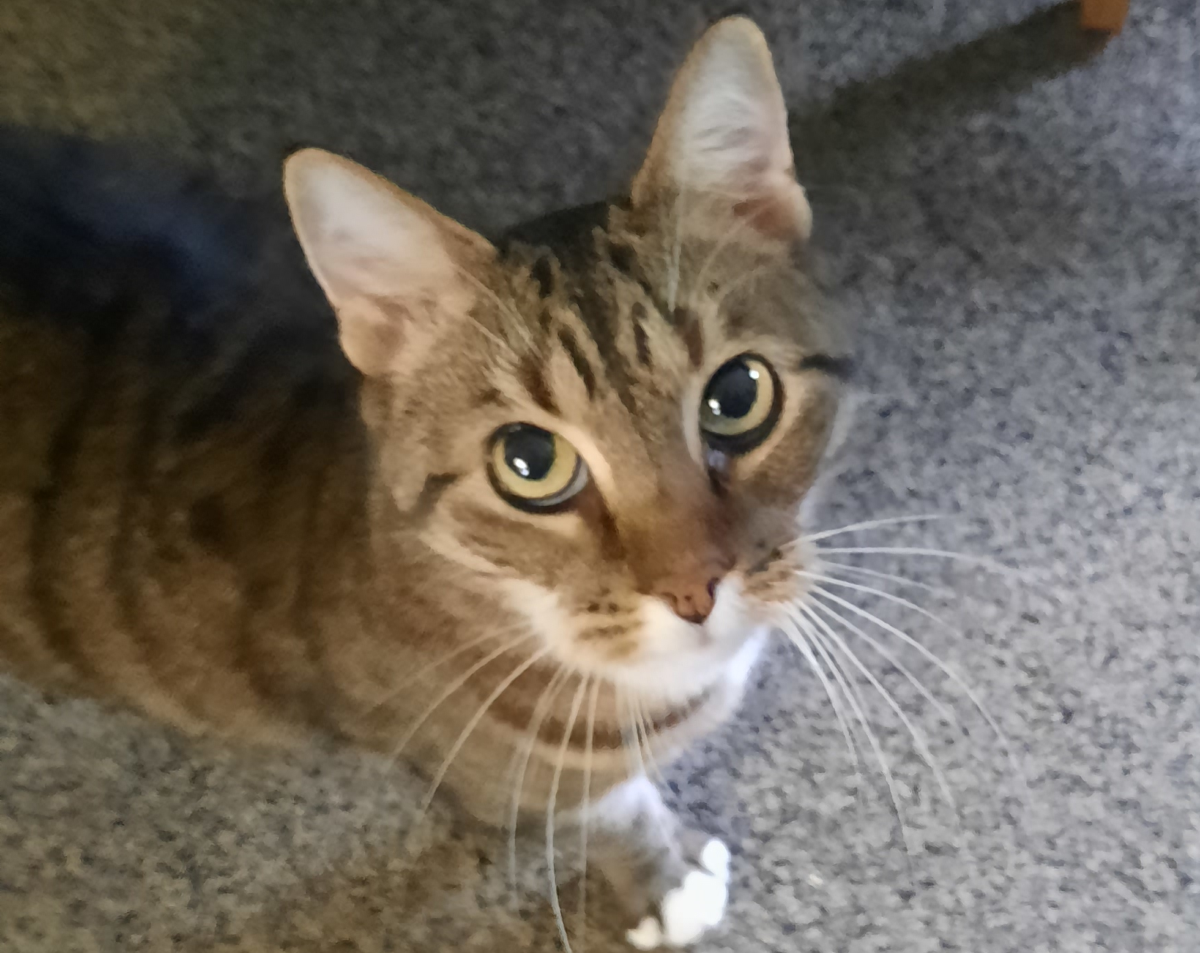
A cat can finish every meal, ask for more food, and still become noticeably thinner over several weeks. A dog may begin gaining weight despite eating the same portions and following a familiar daily routine. These changes often develop gradually, making them difficult to recognize without previous measurements for comparison.
Body weight offers useful information about an animal’s health, particularly when measurements are recorded consistently. Unexplained weight loss or gain can reflect changes in food consumption, muscle mass, hydration, physical activity, or an underlying medical condition. Thyroid disease is one possible explanation, although the symptoms and metabolic effects differ considerably between dogs and cats.
Having cared for several cats with hyperthyroidism, we understand the value of maintaining accurate health records when managing thyroid disease alongside other medical conditions. Weight measurements can help identify a developing problem and provide information about an animal’s response to treatment. However, interpreting those measurements requires considering appetite, physical condition, behavior, and laboratory findings together.
How Thyroid Hormones Affect Body Weight
The thyroid glands are located in the neck and produce hormones that regulate metabolism, the processes through which the body uses energy. These hormones influence numerous functions, including heart activity, temperature regulation, digestion, and the maintenance of body tissues.
When the thyroid produces excessive hormones, metabolic activity increases, potentially causing the body to consume energy faster than food intake can replace it. Insufficient thyroid hormone production has the opposite effect, reducing metabolic activity and sometimes contributing to weight gain. The resulting weight changes depend on the species, the severity of the disorder, and the presence of other medical conditions.
Hyperthyroidism and Weight Loss in Cats
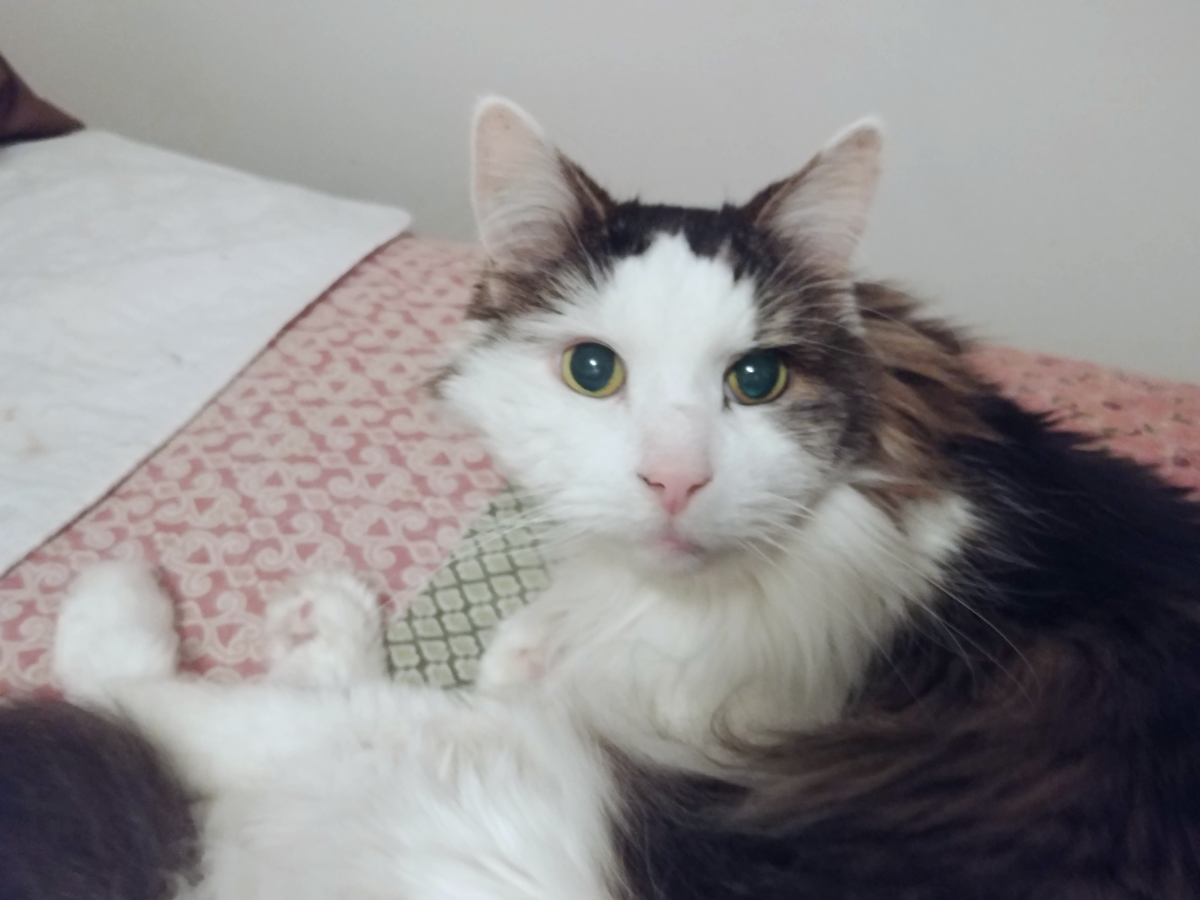 Hyperthyroidism is a common hormonal disorder in middle-aged and older cats. It usually develops when abnormal, typically noncancerous thyroid tissue produces excessive amounts of thyroid hormone. This increased hormone production accelerates metabolism and raises the body’s energy demands.
One of the most recognizable signs is weight loss despite a normal or increased appetite. Affected cats may begin requesting additional meals, eating more frequently, or appearing unusually hungry while gradually losing body tissue. Muscle loss can become particularly noticeable around the backbone, hips, shoulders, and hindquarters.
The Cornell Feline Health Center’s information on feline hyperthyroidism identifies weight loss, increased appetite, excessive thirst, and increased urination among the condition’s common clinical signs. Some cats also experience vomiting, diarrhea, increased activity, or changes in coat condition. These symptoms may develop gradually, and their severity varies among affected animals.
Not every hyperthyroid cat displays an unusually strong appetite. Cats with advanced disease or additional medical problems may eat poorly while continuing to lose weight. Consequently, a declining appetite does not exclude hyperthyroidism, particularly in an older cat with other concerning symptoms.
Hypothyroidism and Weight Gain in Dogs
Hypothyroidism, a condition involving inadequate thyroid hormone production, occurs much more frequently in dogs than in cats. It commonly develops when normal thyroid tissue is gradually damaged or replaced, reducing the glands’ ability to produce sufficient hormones. The resulting decrease in metabolic activity can contribute to weight gain without a corresponding increase in food consumption.
Weight gain may occur alongside lethargy, reduced exercise tolerance, difficulty tolerating cold temperatures, and changes in skin or coat condition. Some dogs develop thinning hair, dry skin, recurrent skin infections, or slower hair regrowth after grooming. These symptoms often progress slowly, allowing the changes to become familiar before an owner recognizes them as potentially abnormal.
Cornell University’s overview of canine hypothyroidism describes these clinical signs and explains how thyroid function is assessed. However, substantial obesity should not automatically be attributed to an underactive thyroid. Excess calorie intake, reduced physical activity, medications, and other medical conditions can also contribute to weight gain.
The differences between species are worth recognizing. Naturally occurring hypothyroidism is relatively uncommon in cats, although it can develop following treatment for hyperthyroidism. Hyperthyroidism is uncommon in dogs and, when present, may involve a functional thyroid tumor.
Establishing a Reliable Weight-Monitoring Routine
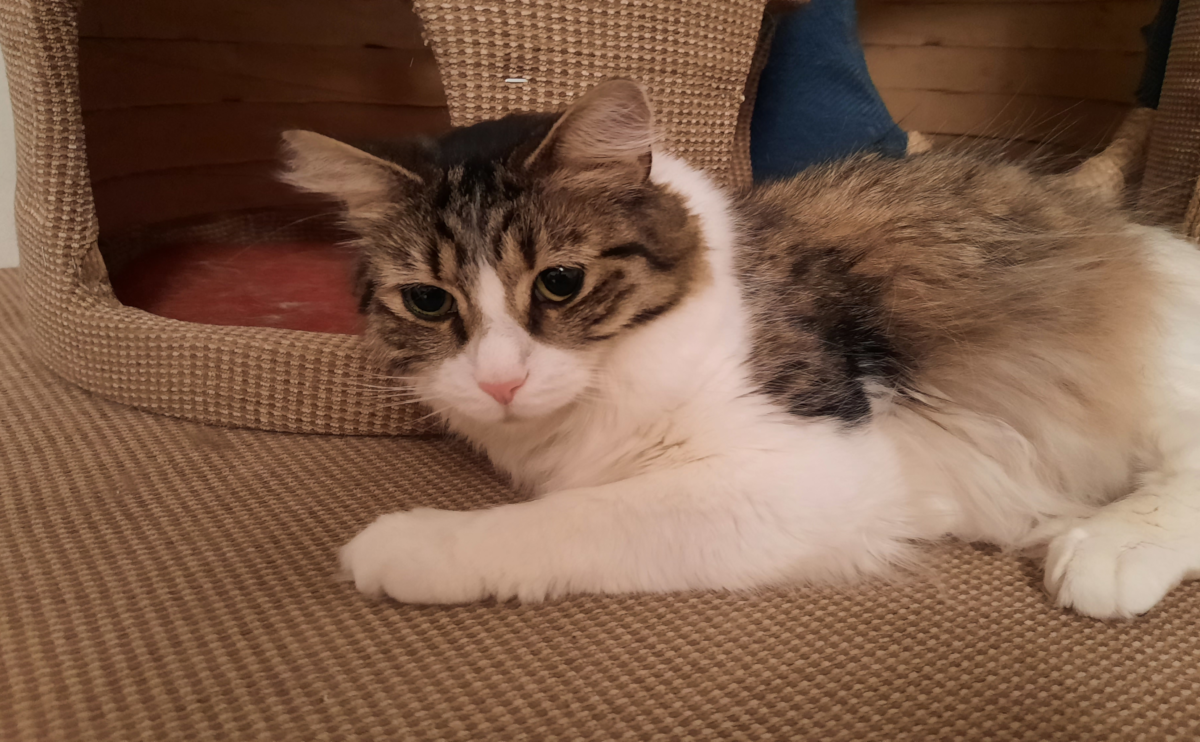 A single weight measurement provides limited information unless it can be compared with previous readings. Recording measurements over several weeks or months helps establish whether an animal is maintaining a stable weight, experiencing gradual changes, or showing an unexpected decline.
For a pet whose weight and health are stable, monthly measurements may provide a practical starting point. Weekly checks can offer more useful information when unexplained weight changes have already developed or when an animal is undergoing treatment. These are general monitoring approaches rather than fixed veterinary schedules, and animals with specific medical concerns may require more frequent measurements.
Consistency helps separate meaningful changes from ordinary variation. Whenever possible, use the same scale, weigh your pet at approximately the same time of day, and follow a similar routine regarding meals and bathroom breaks. Small differences in stomach contents, elimination, and scale accuracy can affect readings without reflecting actual changes in body tissue.
Choosing an Appropriate Scale
Small cats and dogs benefit from scales that can detect relatively small weight differences. A digital pet scale or suitably sized baby scale can provide useful measurements, provided the animal can remain safely positioned on its surface. A nonslip covering may help an unsteady or nervous pet feel more secure.
For animals that dislike standing on a scale, weighing them inside a carrier and subtracting the carrier’s weight may be easier. Larger dogs can often be weighed using a veterinary clinic’s floor scale, particularly when lifting them at home is impractical. The method should be comfortable and safe enough that measurements can be repeated without unnecessary distress.
When reviewing results, consider the percentage of body weight lost or gained. A cat declining from 10 pounds to 9.5 pounds has lost 5% of its body weight, which can be meaningful even though the numerical difference seems small. That same half-pound change would represent a much smaller proportion of a large dog’s weight.
Understanding Body Condition and Muscle Loss
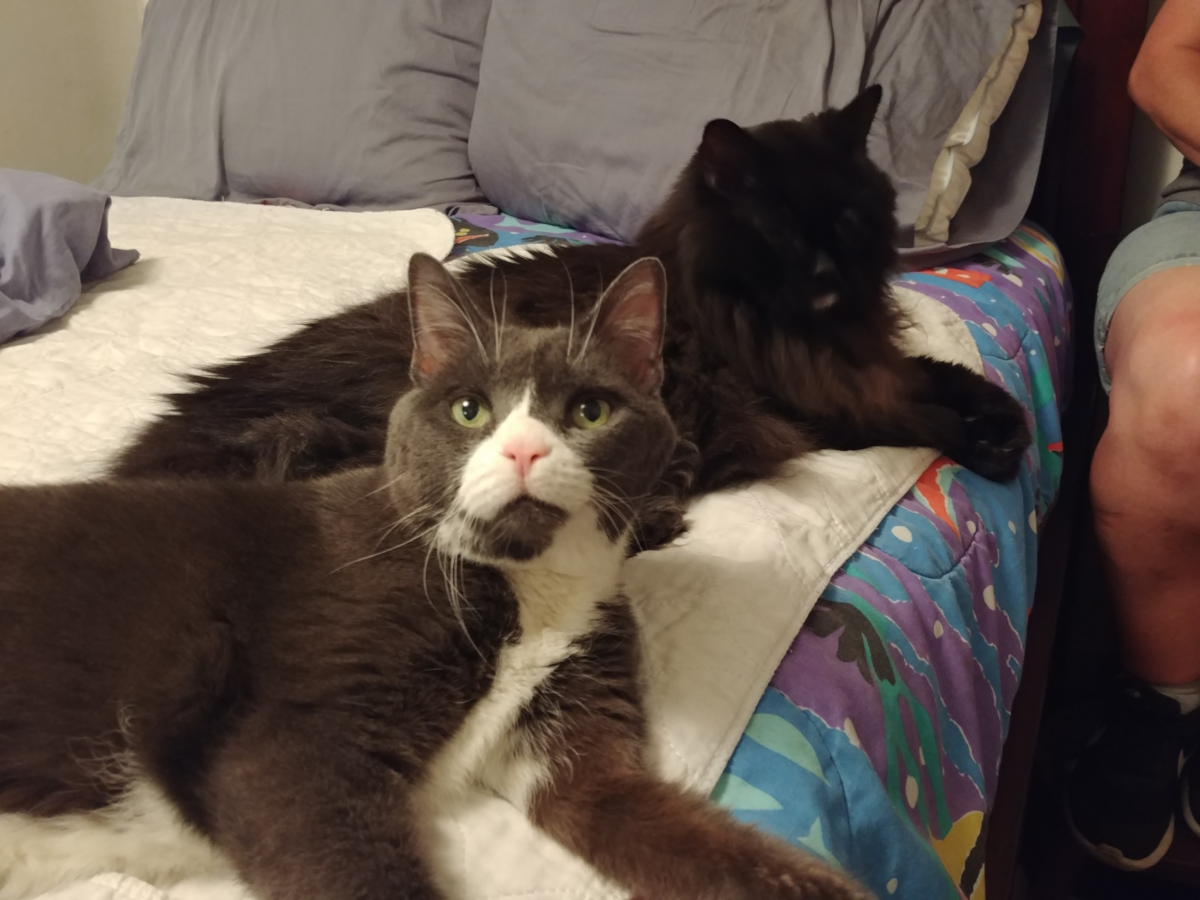 Weight measurements cannot distinguish body fat from muscle or fluid. An older pet may maintain approximately the same weight while losing muscle and accumulating fat, creating the appearance of stability despite changes in body composition. Fluid retention can also increase weight without representing improved nutritional condition.
Veterinarians use body condition scoring to assess fat stores and muscle condition scoring to evaluate muscle mass. The 2021 AAFP Feline Senior Care Guidelines emphasize assessing weight, body condition, and muscle condition together. This is particularly relevant for aging cats because body composition may change even when overall weight remains relatively constant.
At home, owners can observe whether the backbone or hips are becoming more prominent, whether the shoulders appear narrower, or whether the hindquarters are losing their usual shape. Periodic photographs taken from similar angles can provide an additional visual record. These observations cannot replace a veterinary body condition assessment, but they can help document physical changes that are otherwise difficult to recognize.
Recognizing Weight Patterns Associated With Thyroid Disease
Weight changes become more informative when considered alongside appetite, drinking habits, energy levels, and other clinical signs. A cat that is steadily losing weight while eating larger meals presents a different medical picture from one that is losing weight because it has stopped eating normally.
In older cats, unexplained weight loss accompanied by increased hunger may raise suspicion of hyperthyroidism. Increased thirst, frequent urination, restlessness, or changes in activity can add further information. However, these symptoms are not specific enough to confirm a thyroid disorder without appropriate examination and testing.
Dogs with hypothyroidism may gradually gain weight while becoming less active. Owners may also notice that a dog seems unusually tired during familiar walks or develops changes in its skin and coat. Those observations deserve consideration, although arthritis, reduced activity, and several other conditions can produce similar patterns.
The rate of weight change also provides useful context. A small difference between consecutive measurements may reflect normal variation, while a consistent increase or decline across multiple readings deserves closer attention. Rapid or substantial unexplained changes warrant more timely assessment, especially when accompanied by changes in appetite, drinking, or behavior.
Other Medical Conditions Can Produce Similar Weight Changes
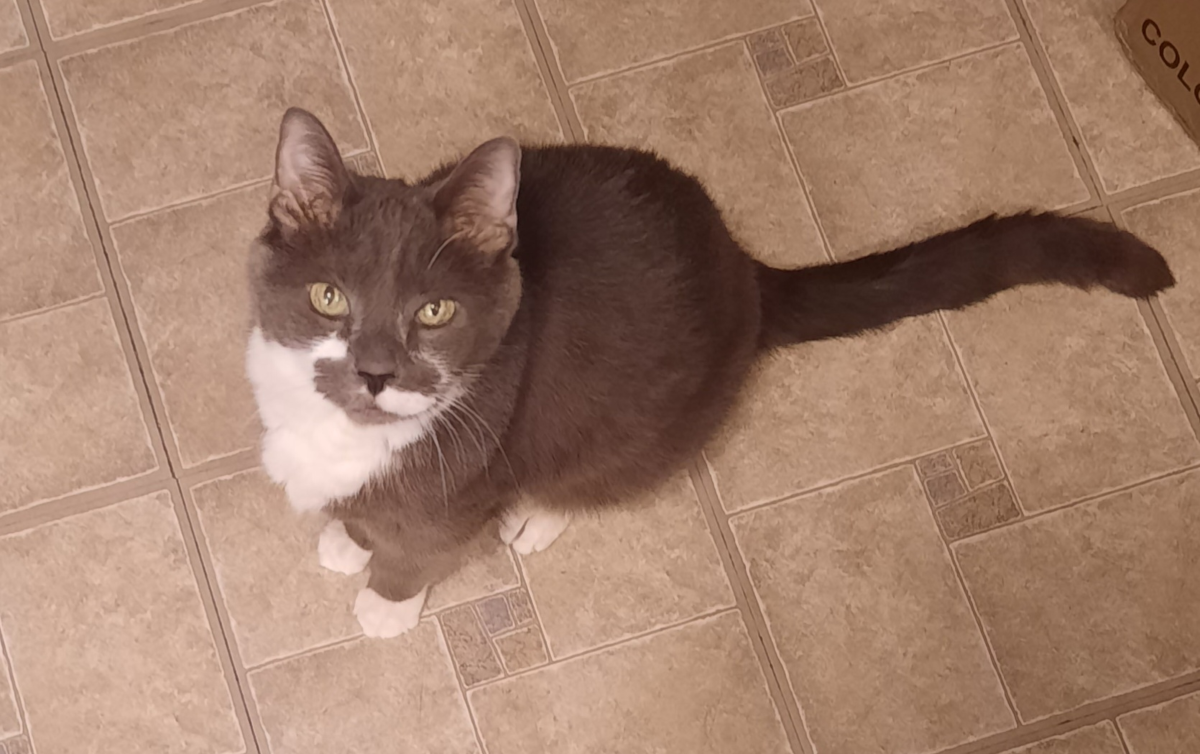 Thyroid disease is only one possible explanation for unexplained weight loss. Diabetes mellitus, chronic kidney disease, gastrointestinal disorders, dental disease, and cancer can all affect weight through different mechanisms. Some conditions reduce food intake, while others interfere with nutrient absorption or alter the body’s energy requirements.
Diabetes and hyperthyroidism can produce overlapping symptoms in cats, including weight loss, increased appetite, excessive thirst, and frequent urination. A pet owner cannot reliably distinguish these conditions through observation alone. Blood tests and urine testing are often necessary to identify the cause and evaluate whether multiple conditions are present.
Dental disease can complicate the picture because an animal may remain interested in food while consuming less than expected. Dropping food, chewing differently, avoiding certain textures, or spending longer at the bowl can suggest difficulty eating. Recording the amount actually consumed may reveal a problem that would be missed by observing appetite alone.
Weight gain also has several possible causes, including excessive calorie intake, reduced physical activity, medications, and certain hormonal disorders. An animal experiencing rapid weight gain with abdominal enlargement or swelling may be accumulating fluid rather than fat. This possibility requires veterinary assessment because fluid accumulation can be associated with serious medical conditions.
What Weight Records Can Tell Your Veterinarian
Home measurements become particularly valuable when they establish a clear timeline. Knowing that a cat weighed 11 pounds six months ago, 10.5 pounds three months ago, and 9.8 pounds today provides substantially more information than simply reporting that the animal appears thinner.
A practical record can include the date, weight, food intake, appetite, drinking habits, and noticeable changes in behavior. If the animal receives prescription medication, recording the treatment schedule and any missed doses can help explain unexpected changes. A notebook, calendar, or basic spreadsheet is sufficient, provided the information remains organized and reasonably consistent.
Weight records also help identify whether a change began before or after a new medication, dietary adjustment, or medical diagnosis. The timing does not establish that one event caused another, but it can help the veterinary team investigate possible explanations. This becomes particularly useful for animals with several chronic conditions or a complicated treatment history.
Understanding Thyroid Blood Tests
When thyroid disease is suspected, the veterinarian considers clinical signs, examination findings, and laboratory results together. Testing may include thyroid hormone measurements, a complete blood count, blood chemistry, and urinalysis. These evaluations can help identify thyroid abnormalities while investigating other conditions that may explain the weight change.
Testing for Hyperthyroidism in Cats
A common initial test measures total thyroxine, generally called total T4. Most cats with established hyperthyroidism have elevated total T4 concentrations, but some affected animals have values within the laboratory reference range. This can occur during early disease or when another illness influences circulating thyroid hormone concentrations.
When clinical suspicion remains high despite a normal result, repeat testing or additional measurements may be appropriate. Free T4 testing can provide useful information, although an elevated free T4 result by itself does not always confirm hyperthyroidism. The 2023 AAHA guidance on diagnosing feline hyperthyroidism explains how concurrent illness and differences in clinical presentation influence test interpretation.
Testing for Hypothyroidism in Dogs
Dogs suspected of having hypothyroidism are commonly evaluated using total T4, with additional tests such as free T4 and thyroid-stimulating hormone (TSH) when appropriate. A low total T4 concentration alone is insufficient to establish the diagnosis. Other illnesses, certain medications, advancing age, and breed-related differences can affect thyroid hormone measurements.
Some dogs with genuine hypothyroidism also have TSH concentrations within the laboratory reference range. This makes it necessary to interpret the complete clinical picture rather than relying on one abnormal or apparently normal result. The AAHA diagnostic guidelines for canine hypothyroidism address these limitations and the risk of diagnosing thyroid disease when another condition is responsible.
Monitoring Weight After Thyroid Treatment Begins
Once a thyroid disorder has been diagnosed, weight measurements can help evaluate an animal’s response to treatment. The expected changes depend on whether the original problem involved excessive or insufficient hormone production. Laboratory testing remains necessary because weight improvement does not establish that thyroid function has reached the intended treatment range.
Weight Recovery in Hyperthyroid Cats
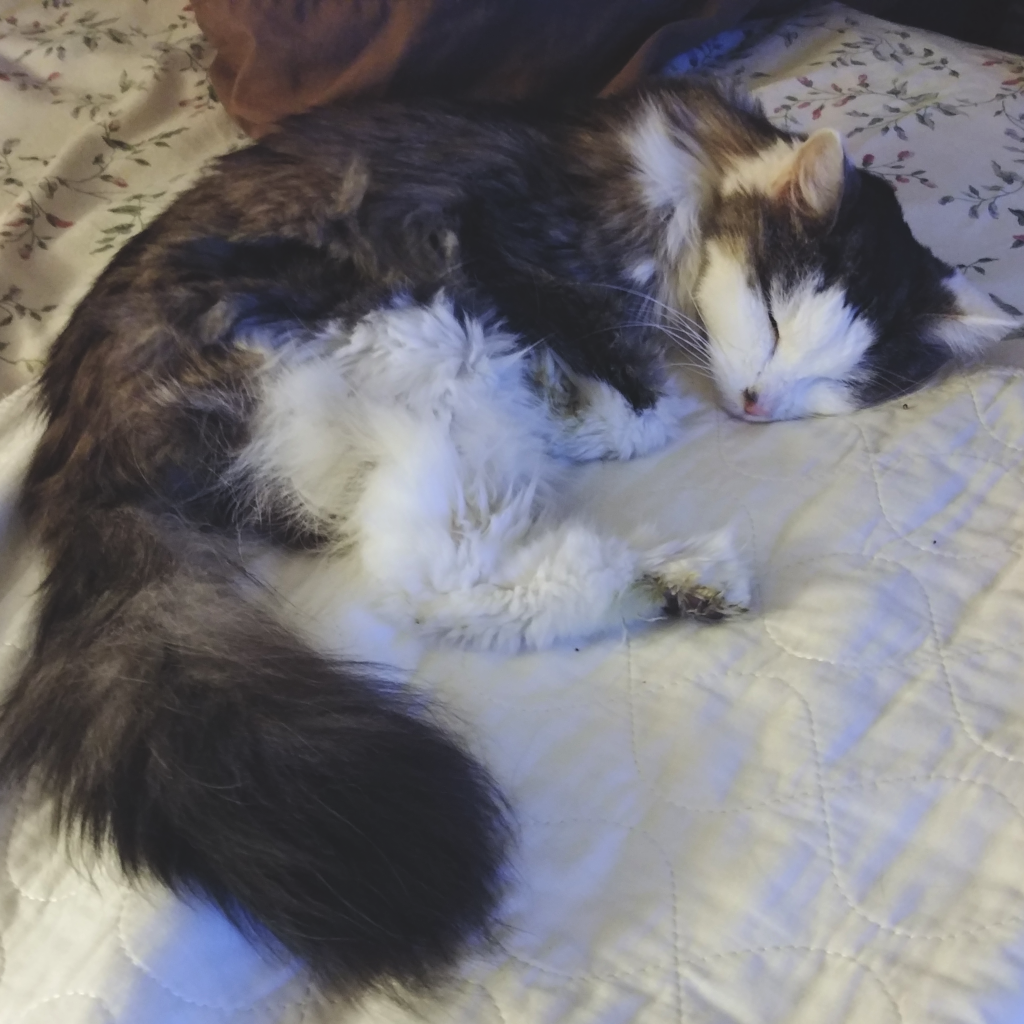 Cats receiving effective treatment for hyperthyroidism commonly regain weight as excessive metabolic activity is controlled. Appetite may become less intense, and improvements in body condition may develop over the following weeks or months. Recovery is not necessarily uniform, particularly when significant muscle wasting or concurrent illness is present.
A published study examining body weight and muscle condition in hyperthyroid cats found that weight and body condition generally improved after successful treatment. However, some cats continued to show muscle wasting despite achieving normal thyroid hormone levels. These findings reinforce why weight gain should be considered alongside muscle condition rather than treated as complete physical recovery.
Treatment options include antithyroid medication, radioactive iodine therapy, surgical thyroid removal, and prescription iodine-restricted diets. These treatments differ in effectiveness, availability, cost, and ongoing management requirements. An iodine-restricted diet, for example, requires strict control of other iodine sources and may be unsuitable for some cats with additional nutritional needs.
Weight gain after treatment can be encouraging, but excessive weight gain or continuing lethargy may require further evaluation. Treatment can occasionally suppress thyroid function below the intended range, producing hypothyroidism. Regular hormone measurements help identify whether the treatment is adequately controlling the disease without causing excessive suppression.
The Connection Between Thyroid Treatment and Kidney Function
Kidney health deserves particular attention when treating hyperthyroidism in older cats. Excessive thyroid hormone can increase blood flow through the kidneys and raise the rate at which they filter blood. At the same time, muscle loss associated with hyperthyroidism can reduce blood creatinine concentrations, making kidney function appear better than it actually is.
After treatment, kidney filtration may decrease toward its usual level, and previously unrecognized kidney disease may become more apparent. This does not necessarily mean that treatment directly damaged the kidneys. Instead, correcting the abnormal thyroid state can reveal limitations in kidney function that were previously difficult to detect.
For cats receiving methimazole, the FDA’s veterinary guidance on feline hyperthyroidism treatment describes the need for regular blood testing and monitoring of kidney function. The medication can also produce adverse effects, including reduced appetite, vomiting, weight loss, and decreased activity. These symptoms should be reported because they may reflect medication intolerance, changes in thyroid regulation, or another medical problem.
Weight Management in Hypothyroid Dogs
Dogs receiving appropriate thyroid hormone replacement may gradually become more active as hormone levels return toward the intended range. Some lose excess weight as metabolic function improves, although the amount and speed of weight reduction vary. Improvements in energy may occur before certain skin and coat changes resolve.
Dogs that have accumulated substantial body fat may still require a veterinary-guided feeding and activity plan. Thyroid replacement corrects the hormone deficiency but does not automatically resolve every factor contributing to excess weight. Exercise recommendations must also account for arthritis, heart disease, and other physical limitations.
Blood testing is used to monitor thyroid hormone replacement and determine whether treatment adjustments are appropriate. For dogs receiving levothyroxine, the timing of blood collection relative to medication administration can affect the result. Owners should follow the clinic’s instructions about medication and testing rather than independently changing the treatment schedule.
Managing Weight When Several Medical Conditions Are Present
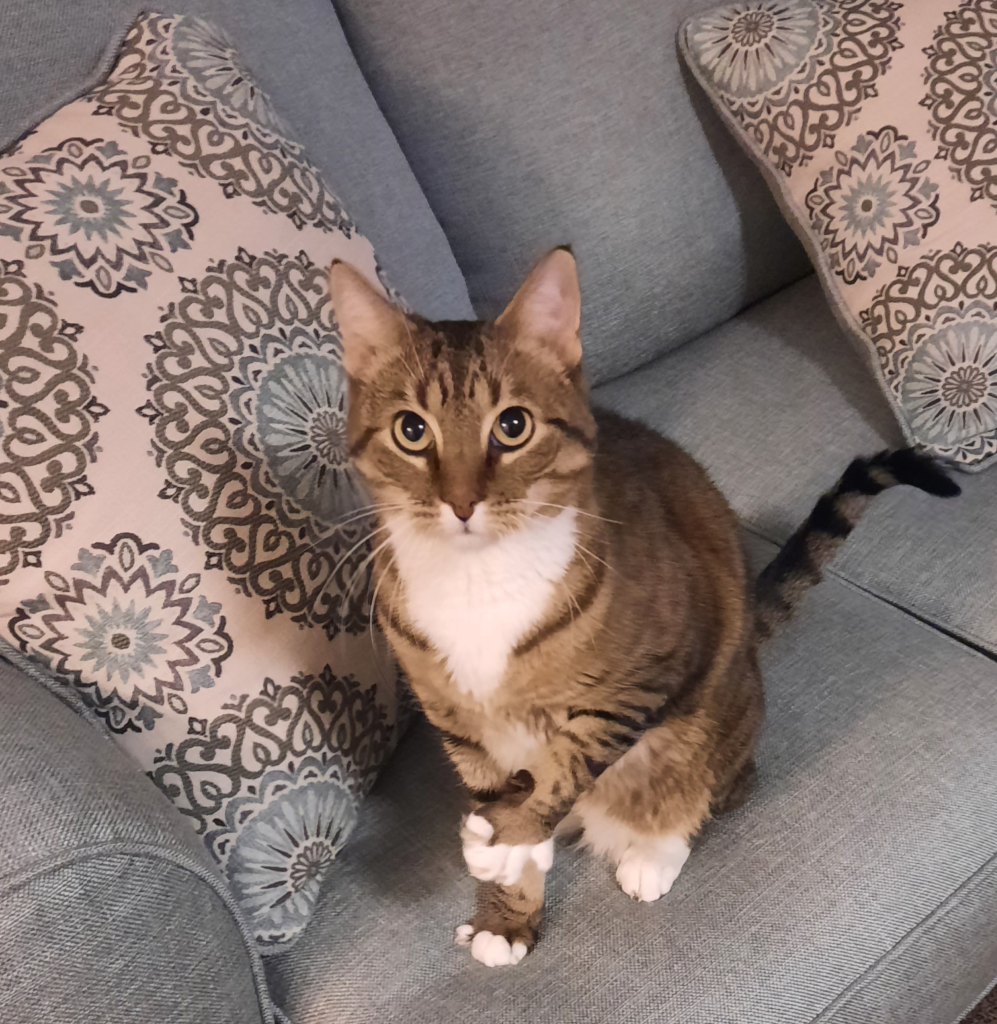 Many older animals have more than one medical condition, and these illnesses can influence one another. Our experience caring for cats with hyperthyroidism, kidney disease, high blood pressure, and diabetes has made coordinated monitoring a familiar part of daily care. Those experiences have also demonstrated the practical difficulty of interpreting symptoms that can belong to several conditions.
For a cat with both hyperthyroidism and chronic kidney disease, maintaining adequate calorie intake and muscle condition may become challenging. Nutritional decisions must consider kidney function, thyroid treatment, and the animal’s actual food consumption. Increasing food portions or making substantial dietary changes without reviewing the complete medical situation may not address the underlying concern.
Diabetes creates additional monitoring considerations because weight loss can occur when blood glucose is poorly regulated. Thyroid disease may also complicate diabetic management by affecting metabolism and insulin requirements. Recording weight alongside relevant glucose measurements, food consumption, and prescribed treatment information can help identify patterns that need professional evaluation.
For households managing several medications or chronic conditions, a simple recording routine is often easier to sustain than an elaborate monitoring system. The information collected should reflect the animal’s medical needs and the observations most useful for ongoing treatment. Consistent measurements and accurate notes can provide a clearer history than occasional detailed records separated by long periods without documentation.
When Weight Changes Require Prompt Veterinary Attention
Gradual, unexplained weight loss or gain warrants veterinary evaluation even when an animal otherwise appears comfortable. A cat that continues losing weight despite eating normally, or a dog experiencing progressive weight gain with lethargy and coat changes, should not have those symptoms dismissed as ordinary aging.
More immediate attention is appropriate when weight changes accompany repeated vomiting, pronounced weakness, persistent refusal to eat, severe lethargy, or rapid deterioration. These symptoms can reflect several medical conditions and may be particularly concerning in animals already receiving thyroid medication or treatment for chronic illness. Contacting a veterinary clinic promptly can help determine whether same-day examination is necessary.
Difficulty breathing, collapse, or severe weakness that prevents an animal from standing normally requires emergency veterinary care. Sudden abdominal enlargement accompanied by respiratory distress is another emergency concern. In these circumstances, identifying and stabilizing the immediate medical problem takes priority over continued home weight monitoring.
Adjusting Weight Monitoring as Your Pet’s Condition Changes
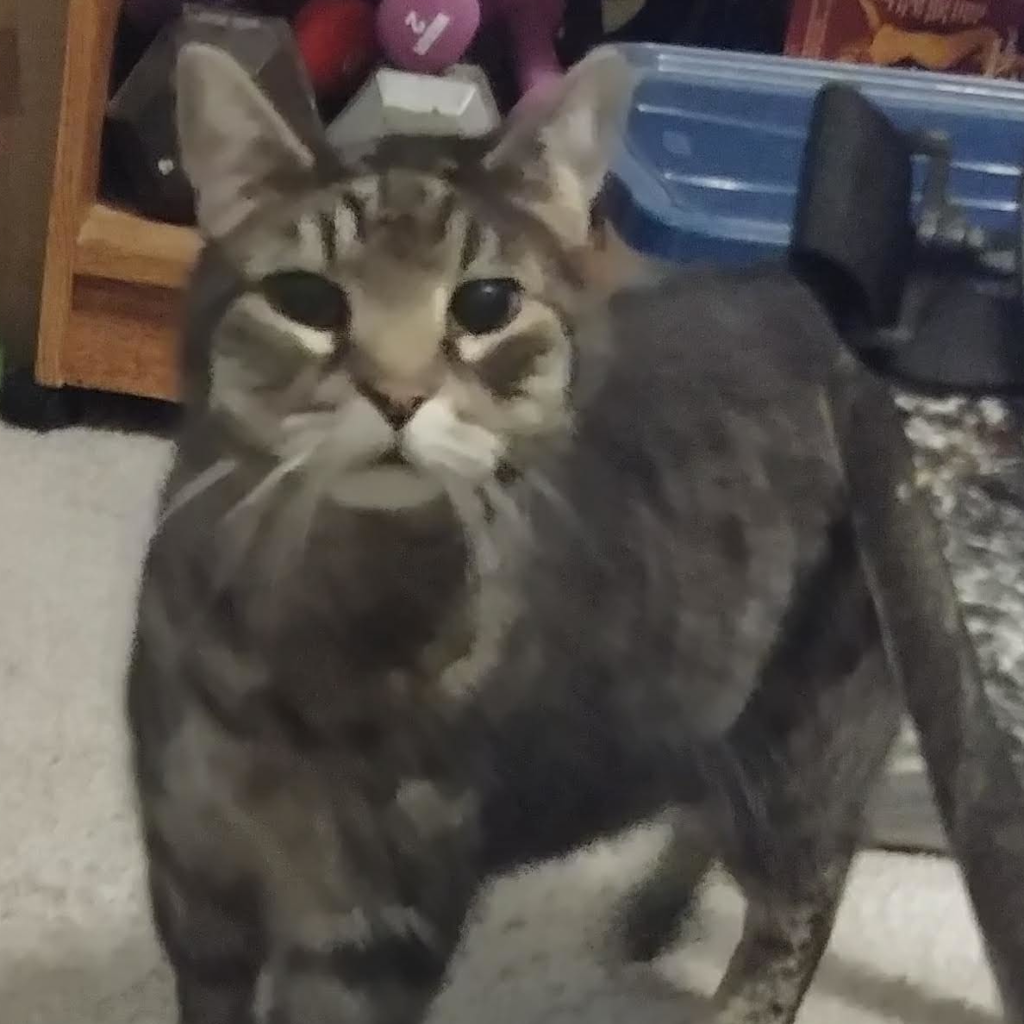 The frequency of weighing should reflect the animal’s health and current treatment needs. A stable senior dog may do well with periodic home measurements and weight checks during routine examinations, while a cat beginning hyperthyroidism treatment may benefit from more frequent monitoring. As treatment progresses, the schedule can be adjusted to match the animal’s response and veterinary recommendations.
Weight records also become useful when an animal reaches a new, stable body condition. Previous measurements establish a reference point that can help distinguish ordinary fluctuations from renewed weight loss or an unexpected increase. For a pet with chronic thyroid disease, keeping that history available allows future changes to be evaluated against its established condition rather than against a single recent measurement.
There may also come a point when repeated weighing becomes uncomfortable for an animal with significant mobility problems, pain, or handling-related stress. In those situations, a less frequent schedule, a different weighing method, or measurements obtained during veterinary visits may be more practical. The monitoring routine should continue to provide useful health information without creating unnecessary physical discomfort or distress for the animal being cared for.