

Administering insulin to a diabetic dog or cat eventually becomes a familiar part of the household routine. The medication is prepared, the injection is given, and the day continues. However, an interrupted schedule, a forgotten injection record, or two caregivers working independently can lead to a situation where a pet accidentally receives insulin twice.
An accidental double dose is a potentially serious medical emergency because excess insulin can cause blood glucose to fall dangerously low. The consequences are not always immediate, and a pet may appear completely normal for some time after receiving the additional injection. Knowing how to respond, what symptoms to recognize, and when professional treatment is necessary can help prevent a medication mistake from becoming a life-threatening complication.
At BellenPaws, we have extensive experience managing feline diabetes, including twice-daily insulin injections, blood glucose testing, and tight regulation. We have never accidentally administered a double dose to one of our pets, but the possibility is something every caregiver administering insulin should understand. Preparing for a potential emergency is far easier than trying to make unfamiliar medical decisions while an animal’s condition is deteriorating.
What to Do Immediately After an Accidental Double Dose
If you discover that your dog or cat has received two insulin injections instead of one, contact your veterinarian immediately, even if your pet is behaving normally. If the regular veterinary office is closed, call an emergency animal hospital. A confirmed double dose requires urgent professional assessment because the risk cannot be determined reliably from the animal’s appearance alone.
Do not wait for weakness, trembling, or other symptoms to develop before making that call. Insulin continues acting after an injection, and the timing of a dangerous glucose decline depends on the insulin preparation, the amount administered, and the animal’s response. An acceptable glucose reading shortly after the mistake does not establish that the danger has passed.
When speaking with the veterinary team, have the following information available:
- The name and concentration of the insulin, such as U-40 or U-100.
- The normally prescribed dose and the amount administered during each injection.
- The approximate time of both injections.
- Your pet’s weight and whether the animal has eaten normally.
- Recent blood glucose measurements, if available.
- Any unusual behavior, weakness, vomiting, or changes in alertness.
- Other medications and medical conditions that may affect treatment.
This information helps the veterinarian evaluate the potential exposure and determine whether immediate hospitalization, glucose testing, or supervised observation is necessary. If you are uncertain whether the second injection contained the full prescribed amount, explain what happened rather than estimating an amount you cannot verify.
Do not administer any additional insulin while arranging urgent veterinary instructions. The veterinarian will need to establish a safe monitoring and treatment plan, including instructions for the next scheduled injection.
The FDA’s guidance on pet medical emergencies recommends contacting a veterinarian, emergency animal hospital, or animal poison control center when a pet receives too much medication. In the United States, the ASPCA Animal Poison Control Center is available at 888-426-4435, and the Pet Poison Helpline can be reached at 855-764-7661. Both services may charge consultation fees, and contacting them should not delay emergency transportation when an animal is showing serious symptoms.
Why Too Much Insulin Can Be Dangerous
 Insulin helps regulate blood glucose by allowing glucose to enter certain cells, where it can be used for energy or stored. In diabetic animals receiving insulin injections, the prescribed amount is intended to control elevated glucose without allowing concentrations to fall excessively. When more insulin is administered than the animal needs, blood glucose may decrease below a safe level.
This condition is called hypoglycemia, which means abnormally low blood glucose. The brain depends heavily on a continuous supply of glucose for normal function, making severe hypoglycemia particularly dangerous. As glucose availability decreases, an animal may develop weakness, confusion, impaired coordination, seizures, or loss of consciousness.
The severity of an accidental overdose varies considerably. The insulin preparation, actual amount injected, recent food intake, body size, and underlying medical conditions can all influence the outcome. Even an animal that has tolerated its usual insulin schedule for months or years may respond unpredictably to an additional injection.
The Cornell Feline Health Center’s information on feline diabetes explains that insulin preparations differ in their duration of action and that careful glucose monitoring helps reduce the risk of hypoglycemia. Although the discussion focuses on cats, excessive insulin administration can also produce dangerous hypoglycemia in diabetic dogs.
Why Symptoms May Not Appear Immediately
Different insulin products have different absorption patterns and durations of activity. Some have a more noticeable period of peak glucose-lowering activity, while others provide a longer, relatively steady effect. When an extra injection is given, these effects can overlap and make the subsequent glucose pattern difficult to predict.
A pet may remain active, eat normally, or sleep comfortably during the early period following an overdose. Blood glucose can then decline as the medication continues acting, sometimes after the owner has become less concerned because the animal initially appeared unaffected.
Food or emergency sugar administration may temporarily raise blood glucose without eliminating the effects of excess insulin. Glucose can fall again while the medication remains active, which is why a single normal reading or brief improvement after treatment cannot establish that the emergency has resolved.
Recognizing the Warning Signs of Hypoglycemia
 Low blood glucose can cause changes in behavior and physical coordination that are initially difficult to recognize. Some dogs become unusually quiet or sleepy, while cats may withdraw, appear restless, or become less responsive to their surroundings. Other animals show changes in movement before their behavior becomes noticeably abnormal.
Common warning signs include:
- Unusual hunger or restlessness.
- Weakness, lethargy, or excessive sleepiness.
- Trembling, twitching, or shaking.
- Stumbling, unsteady walking, or poor coordination.
- Confusion, disorientation, or unusual behavior.
- Reduced responsiveness to familiar sounds or handling.
- Collapse, seizures, or loss of consciousness in severe cases.
These symptoms do not necessarily appear in a predictable order, and an animal may develop serious hypoglycemia without displaying every warning sign. Owners should also remember that some symptoms can have causes unrelated to blood glucose, making veterinary assessment necessary rather than attempting to diagnose the problem through observation alone.
The 2026 American Animal Hospital Association diabetes guidelines for dogs identify weakness, abnormal walking, behavioral changes, tremors, collapse, and seizures among the signs that owners should recognize. Cats can experience similar neurological effects, although their earliest symptoms may be especially subtle.
Older pets may already have arthritis, reduced mobility, or another condition that affects their usual activity. A cat that occasionally struggles to jump or a dog that normally walks slowly may therefore be more difficult to assess. Following a suspected insulin overdose, a new or noticeably worsening problem with movement, balance, or alertness deserves immediate attention rather than being attributed to age.
Emergency First Aid While Seeking Veterinary Care
An animal developing hypoglycemia may need immediate assistance while emergency veterinary treatment is being arranged. The safest response depends on the pet’s alertness, ability to swallow, and whether seizures are occurring.
First aid should never delay transportation to an emergency hospital when a pet has serious symptoms. Sugar given at home may temporarily improve blood glucose, but it cannot reliably counteract an ongoing insulin overdose.
If Your Pet Is Alert and Able to Eat
If a dog or cat has a confirmed low glucose reading but is behaving normally, offering its regular food is an appropriate first-aid measure. An alert animal that can swallow normally may also be offered food while veterinary instructions are being obtained. Food intake should be reported to the veterinarian because it may affect subsequent glucose measurements and treatment decisions.
Do not assume that eating a meal makes an accidental double dose harmless. A pet may consume food normally while insulin activity continues to increase, and glucose can still fall later. The amount and timing of additional feeding should follow the emergency treatment plan rather than an improvised schedule.
If Your Pet Is Weak, Disoriented, or Showing Other Symptoms
For suspected symptomatic hypoglycemia, current veterinary first-aid guidance supports applying a small amount of a thick, sugar-containing product, such as regular corn syrup, glucose syrup, or honey, to the inside of the cheek when this can be done safely. The product should contact the moist lining between the cheek and gums rather than being poured into the throat. This approach may provide temporary glucose support while the animal is being transported for treatment.
The 2026 RECOVER First Aid Guidelines for Dogs and Cats, published in the Journal of Veterinary Emergency and Critical Care, recommend this approach for animals with suspected or documented symptomatic hypoglycemia when they are not actively seizing. The recommendation is based on very low-certainty evidence, and the guidelines acknowledge that the amount of sugar absorbed and the resulting glucose increase are not reliably predictable.
Use a product containing actual sugar rather than a sugar-free substitute, and do not force an animal to swallow food or liquid when coordination or alertness is impaired. If the animal is resisting, may bite, or cannot be approached safely, do not attempt to open its mouth. Protecting the caregiver and reaching veterinary care take priority over administering sugar at home.
If Your Pet Is Seizing or Unconscious
A seizure, collapse, or loss of consciousness following a suspected insulin overdose requires immediate emergency veterinary treatment. During an active seizure, do not attempt to open the animal’s mouth, insert fingers, administer syrup, or give food. Clear nearby objects that could cause injury and avoid restraining the animal unnecessarily.
If a pet is unresponsive but breathing and not actively seizing, the RECOVER guidelines allow carefully applying a thick sugar solution inside the cheek when it can be done without danger to the caregiver or delay in transport. This is not an instruction to pry open the jaws or pour liquid into the mouth. If the pet is not breathing normally, emergency resuscitation guidance and immediate veterinary assistance take priority.
Severe hypoglycemia often requires intravenous dextrose, which allows veterinary professionals to raise blood glucose more reliably. Even if a pet improves after first aid, the additional insulin may continue acting and cause another glucose decline.
How Home Blood Glucose Monitoring Helps
Owners who routinely test their diabetic pets may be able to identify falling glucose before obvious physical symptoms develop. A blood glucose meter can provide useful information during a suspected overdose, particularly when recent readings are available for comparison.
However, testing should not delay contacting an emergency veterinarian or transporting a symptomatic animal. A single glucose measurement reflects the animal’s condition at that moment and cannot predict how much further the concentration might fall as insulin continues working.
Continuous glucose monitors can provide additional information by recording glucose trends over time. These devices measure glucose in the fluid beneath the skin rather than directly in the bloodstream, so their readings may lag behind rapidly changing blood glucose levels.
Continuous glucose monitors can also produce unexpectedly low readings that do not accurately reflect the animal’s actual blood glucose concentration. The 2026 AAHA guidelines on glucose monitoring in cats recommend confirming questionable low sensor readings with a veterinary-calibrated blood glucose meter, particularly when the cat is not showing clinical signs of hypoglycemia.
During a suspected overdose, home monitoring remains a source of information rather than a substitute for professional assessment. A veterinarian may recommend repeated testing under supervision, but the frequency and duration must account for the insulin preparation and the animal’s condition.
Owners using tight regulation should be especially careful not to interpret readings collected during an overdose as part of a normal dosing cycle. Emergency glucose treatment, food intake, and overlapping insulin activity can produce an unusual pattern that should be assessed separately from routine diabetes management.
What Happens at the Emergency Veterinary Hospital?
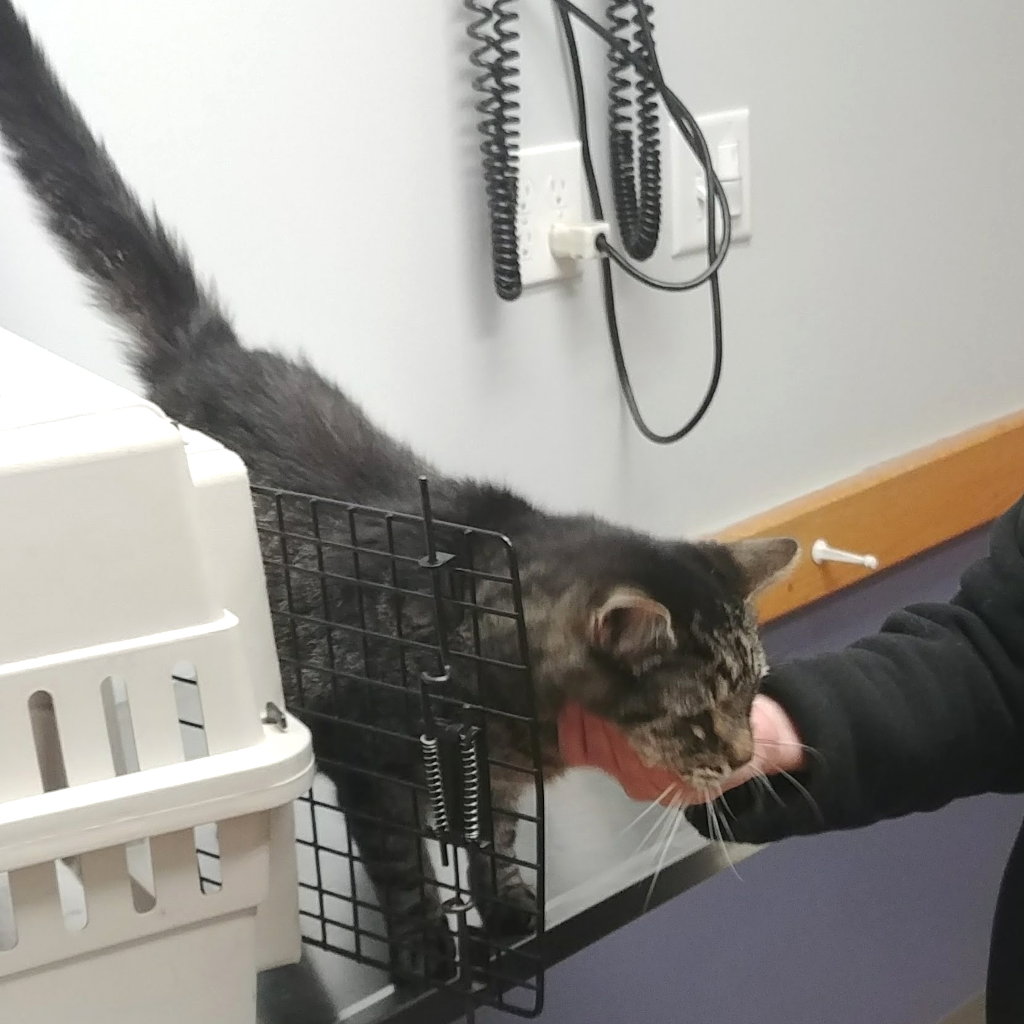 When a dog or cat arrives after an insulin overdose, the veterinary team evaluates the animal’s condition and obtains blood glucose measurements. The injection history helps establish when insulin activity may have begun and whether additional glucose declines are possible.
Animals experiencing significant hypoglycemia may require intravenous dextrose, a medical form of glucose administered directly into the bloodstream. Depending on the response, veterinarians may provide repeated treatment or use a controlled dextrose infusion to maintain glucose concentrations within a safer range.
Blood glucose measurements are repeated as needed to determine whether treatment is effective and whether additional support remains necessary. Some animals require hospitalization because their glucose concentrations may fall again after the initial treatment, particularly while the excess insulin remains active.
The length of observation cannot be determined using a universal timetable. Veterinarians consider the insulin preparation, amount administered, glucose trends, clinical symptoms, and response to treatment before deciding when an animal can safely return home.
Other medical conditions may influence the treatment plan. Kidney disease, vomiting, poor appetite, and concurrent illness can complicate glucose regulation or affect an animal’s ability to tolerate treatment. These considerations are particularly relevant when caring for an older diabetic pet with more than one chronic condition.
Before discharge, owners should receive clear instructions about feeding, glucose testing, warning signs, and the next insulin injection. Asking for these instructions in writing can reduce confusion once the animal returns to its familiar routine.
What About the Next Scheduled Insulin Dose?
A pet receiving insulin twice daily may have another injection scheduled while the effects of an accidental double dose are still present. Returning automatically to the regular schedule without reassessment could result in additional overlapping insulin activity.
There is no universal rule for when insulin should be resumed following an overdose. The appropriate decision depends on the insulin involved, the amount administered, the animal’s glucose measurements, and whether emergency treatment was required.
Obtain explicit veterinary instructions before administering the next scheduled injection. Do not independently calculate a smaller dose or give extra insulin to correct a temporary elevated glucose reading following treatment.
Blood glucose may rise after emergency sugar administration or intravenous dextrose. That increase does not necessarily indicate that insulin requirements have returned to normal, especially when the original medication may still be active.
The objective after an overdose is to establish that the animal is clinically stable and that insulin treatment can be resumed safely. The veterinarian may recommend additional monitoring or adjustments to the treatment schedule based on the circumstances.
How Accidental Double Doses Happen
Many insulin administration mistakes begin with uncertainty about whether a scheduled injection has already been given. A familiar routine can be interrupted by a telephone call, an unexpected visitor, or another household responsibility. When the caregiver returns to the medication supplies, it may be difficult to remember whether the injection was completed.
Multiple caregivers introduce another opportunity for confusion. One person may administer the morning insulin without recording it, while someone else assumes the injection has not yet been given. Both may believe they are following the established schedule.
The FDA discusses similar problems in its article Medication Errors Happen to Pets, Too, identifying unclear instructions, prescription labeling, and medication administration problems as possible contributors to errors. Household communication and documentation provide additional safeguards against accidentally administering the same medication twice.
Establishing a Reliable Injection Record
Recording every injection immediately after administration is one of the simplest ways to reduce confusion. Each entry should include the date, time, amount administered, and the person responsible for giving the medication.
A paper chart kept near the insulin supplies may be sufficient for a household with one caregiver. When several people share responsibilities, a common record that everyone checks before preparing an injection is particularly valuable.
At BellenPaws, our pet diabetes tracker and printable diabetes records provide practical ways to organize glucose measurements and treatment information. Having these records available also makes it easier to provide accurate details when discussing an unexpected event with a veterinarian.
If an injection is uncertain because a pet moved, the needle slipped, or moisture appeared on the fur afterward, do not automatically repeat it. The amount of insulin actually delivered may be impossible to determine, and attempting to replace a supposedly missed dose can result in an overdose.
Preventing Syringe and Insulin Concentration Mistakes
Not every insulin overdose involves two separate injections. An animal can also receive an excessive amount because the wrong syringe or insulin concentration was used.
U-40 insulin contains 40 units per milliliter, while U-100 insulin contains 100 units per milliliter. Syringes designed for these concentrations have different markings, and using mismatched equipment can produce a substantial dosing error.
Insulin pens and other delivery systems have their own instructions and should not be treated as interchangeable with standard syringes. When changing insulin products or administration equipment, confirm the correct method with the veterinary team before giving the first injection.
Keep insulin in its original labeled container and store the corresponding administration equipment together whenever practical. If several pets receive insulin, label and separate their supplies so that medications and injection equipment are not accidentally exchanged.
Preparing for an Insulin Emergency Before It Happens
 A written emergency plan is particularly useful in a household where more than one person administers medication. Keep the regular veterinarian’s telephone number, the nearest emergency animal hospital’s contact information, and the insulin prescription details near the medication supplies.
The plan should also identify where glucose-testing equipment, records, and an appropriate emergency sugar product are stored. Check these supplies periodically so that expired or missing items are replaced before they are needed.
Caregivers should understand the warning signs of hypoglycemia and know which situations require immediate transportation rather than continued observation at home. When a pet has other medical conditions, the veterinary team can provide individualized instructions that account for those concerns.
One practical safeguard deserves particular attention in households with shared caregiving responsibilities. Establish a rule that an injection is never repeated simply because nobody can remember whether it was already given. Instead, check the medication record, speak with the other caregivers, and obtain veterinary instructions if the administration history remains uncertain.
A brief delay while confirming whether insulin was administered is a much safer approach than guessing and potentially giving an unnecessary second injection. Maintaining an accurate treatment record and establishing clear responsibility for each scheduled dose can prevent the kind of uncertainty that leads to accidental double dosing.