

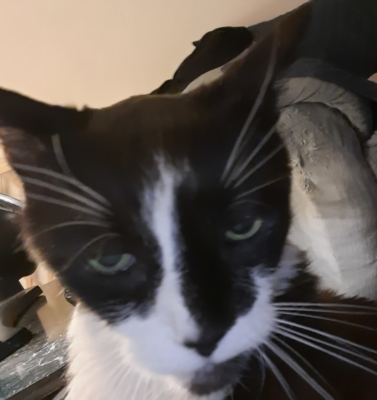
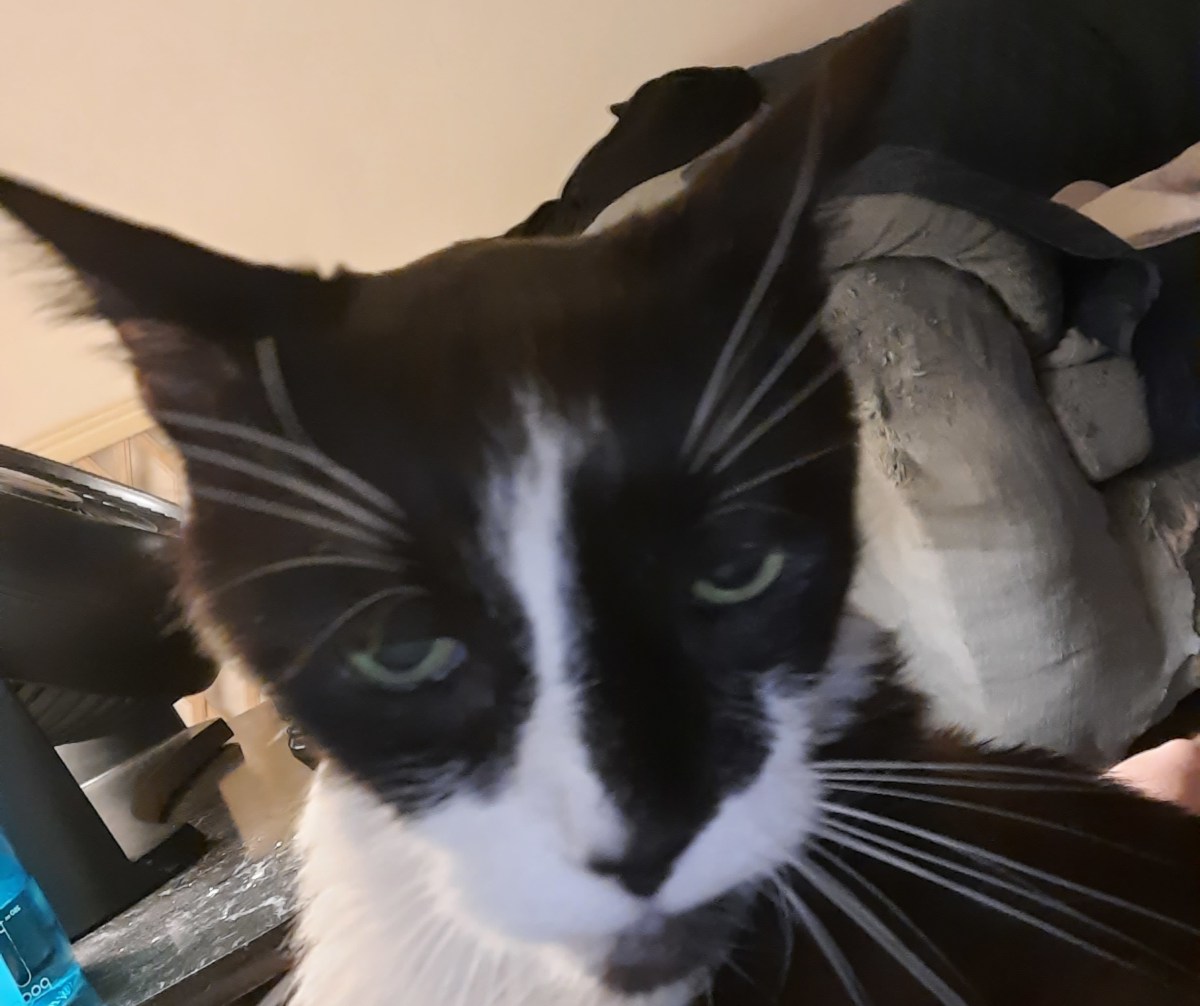
A hyperthyroid cat can finish a substantial meal and return to the kitchen minutes later, apparently convinced that another serving is overdue. Some become persistent about food, following their owners from room to room, vocalizing near the feeding area, or attempting to steal food from other pets. When this behavior continues throughout the day, deciding how much to feed becomes a genuine concern, particularly when the cat is already losing weight despite eating more than usual.
The excessive appetite associated with feline hyperthyroidism is often a direct consequence of the disease. An overactive thyroid increases the body’s energy demands, leaving some cats struggling to maintain their weight even when they consume considerably more food than before. Managing this hunger safely requires adequate nutrition, appropriate treatment, and a feeding arrangement that accommodates the cat’s changing physical condition.
Having cared for several cats with hyperthyroidism, including Belle and Paws, we are familiar with the additional considerations that can accompany thyroid disease. Belle also had kidney disease and high blood pressure, while Paws had high blood pressure. These overlapping conditions illustrate why feeding recommendations must account for a cat’s complete medical picture, especially when nutritional priorities may differ between illnesses.
Why Hyperthyroidism Causes Such Intense Hunger
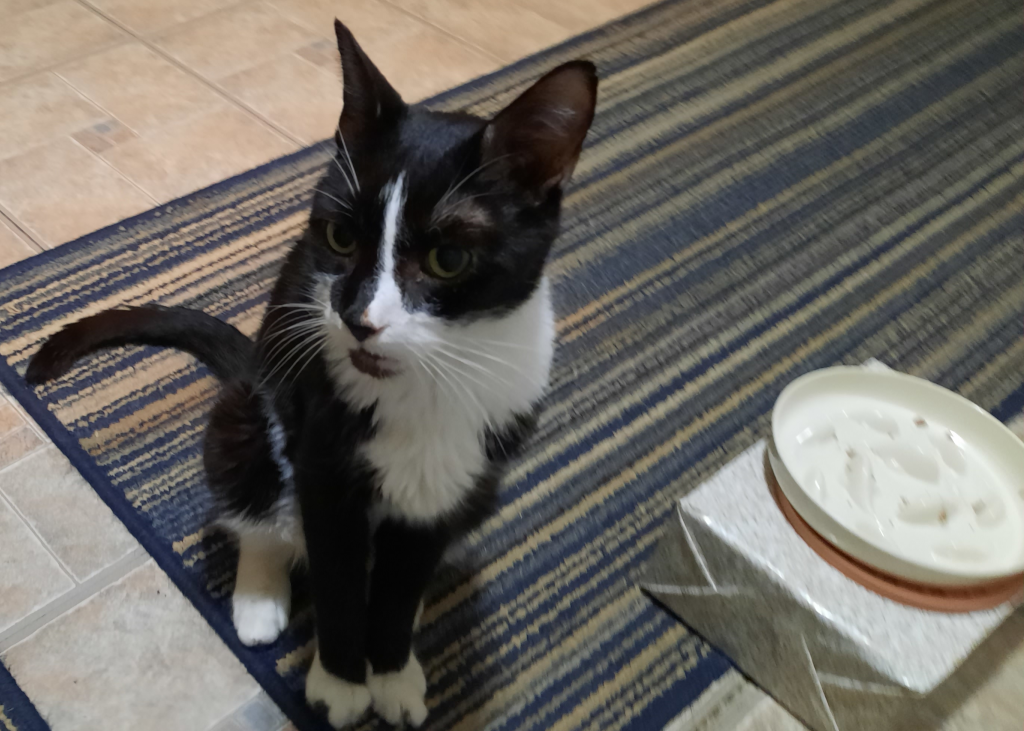 The thyroid gland produces hormones that regulate metabolism, including the rate at which the body uses energy. In cats with hyperthyroidism, excessive thyroid hormone production accelerates metabolic activity and increases energy requirements. The cat may respond by eating more frequently or consuming larger portions, yet continue losing weight because its body is using energy at an unusually high rate.
This combination of increased appetite and unexplained weight loss is one of the most recognizable signs of feline hyperthyroidism. Other symptoms can include increased thirst, frequent urination, vomiting, diarrhea, restlessness, and changes in activity. The Cornell Feline Health Center’s explanation of feline hyperthyroidism describes how excess thyroid hormones affect multiple organs and why appetite changes frequently accompany the disease.
Weight loss can involve both body fat and muscle, sometimes producing a noticeably thinner appearance across the back, shoulders, and hips. In a study evaluating body weight and muscle condition in hyperthyroid cats, researchers found that muscle loss was common before treatment and could persist even after thyroid function returned to normal. This helps explain why a cat can remain relatively active and enthusiastic about eating while gradually losing physical condition.
Behavioral changes can make the situation more difficult to interpret. Hyperthyroidism may cause restlessness and increased vocalization, which can overlap with food-seeking behavior. A cat that continues meowing after eating may still be hungry, but the behavior alone cannot establish whether additional calories are needed.
Determining How Much Food a Hyperthyroid Cat Needs
Establishing an appropriate daily calorie intake is one of the first practical challenges. A cat with uncontrolled hyperthyroidism may need more energy than a healthy cat of similar size, but there is no single feeding amount suitable for every affected animal. The severity of the thyroid disease, current body weight, muscle condition, activity, and additional medical problems all influence nutritional requirements.
A veterinary nutritional assessment provides a more reliable starting point than the general feeding directions printed on a food package. Body condition scoring estimates whether a cat is underweight, appropriately conditioned, or carrying excess fat. Muscle condition scoring separately evaluates muscle loss, which can be present even when the animal does not appear particularly thin.
These assessments matter because weight loss does not always mean a cat has become underweight. Some hyperthyroid cats begin with excess body fat and lose substantial muscle while their overall body condition remains within or above the normal range. Increasing calories without considering both measurements may eventually create an imbalance between body fat and muscle recovery.
The AAHA senior pet nutrition guidelines emphasize evaluating body condition, muscle condition, and changing energy requirements in older animals. For a hyperthyroid cat, the feeding target may need to support weight maintenance or recovery while treatment begins to control the disease. That target should be reassessed as thyroid hormone levels and body condition change.
Owners should avoid restricting food simply because their cat seems unusually demanding. An animal that is underweight or continuing to lose weight may genuinely require additional calories. Conversely, providing unlimited food without measuring consumption can make it difficult to determine whether the feeding plan is meeting nutritional needs appropriately.
Choosing Food That Supports Weight and Muscle Maintenance
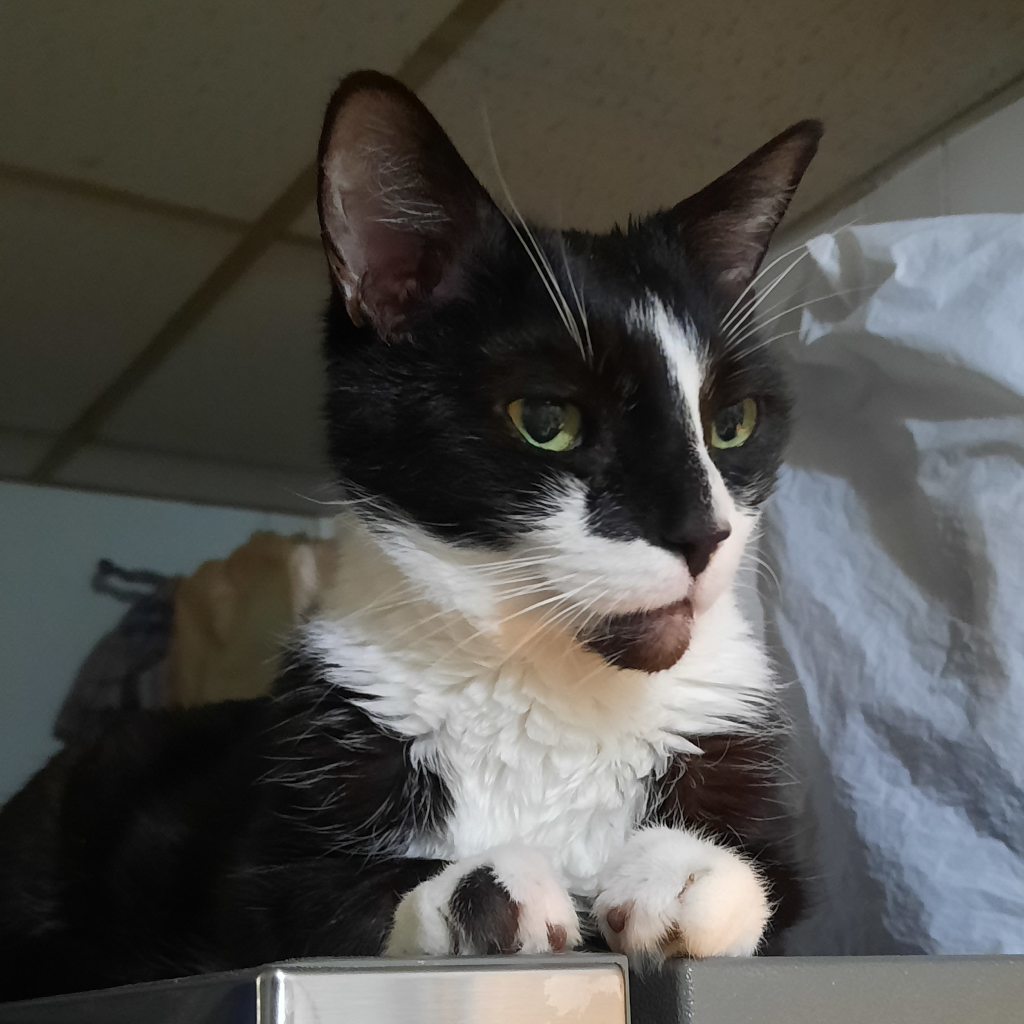 A nutritionally complete, digestible diet that supplies adequate calories and high-quality protein is generally appropriate for supporting a hyperthyroid cat’s condition. Protein deserves particular consideration because the disease is frequently associated with muscle loss. Restoring muscle requires sufficient nutrition alongside successful control of thyroid hormone excess, and some cats may not fully recover their previous muscle mass.
Calorie density also affects how much food a cat needs to consume. Two products that appear similar may contain substantially different amounts of energy per ounce, especially when comparing wet and dry foods. Checking the calorie information on the label and measuring portions provides a clearer picture of actual intake than estimating by the appearance of a filled bowl.
Wet food can be useful for cats that prefer its texture or benefit from additional dietary moisture. Hyperthyroidism commonly increases thirst and urination, making access to fresh drinking water particularly relevant. However, adding wet food does not correct dehydration or replace medical assessment when a cat is drinking excessively or showing signs of fluid imbalance.
When Kidney Disease Changes Nutritional Priorities
Feeding decisions become more complicated when hyperthyroidism occurs alongside chronic kidney disease. Cats with kidney disease may require dietary phosphorus control and other nutritional modifications, depending on the stage and severity of their condition. Protein requirements must also be considered carefully because excessive restriction can contribute to muscle loss, while some cats with advanced kidney disease benefit from appropriately formulated therapeutic diets.
A high-protein food selected to support a hyperthyroid cat’s muscle condition may therefore be unsuitable for another cat with significant kidney impairment. The appropriate balance depends on laboratory findings, kidney disease stage, body condition, and how well the animal is eating. Neither a conventional high-protein diet nor a renal prescription diet should be assumed to be the best choice solely because one diagnosis is present.
Owners should also be cautious about using large quantities of treats, table scraps, or unbalanced homemade mixtures to satisfy persistent hunger. These additions can displace essential nutrients from a complete diet or interfere with medical feeding requirements. If additional calories are necessary, increasing the amount of an appropriate complete food is often easier to evaluate nutritionally than relying on assorted extras.
Using Smaller, More Frequent Meals
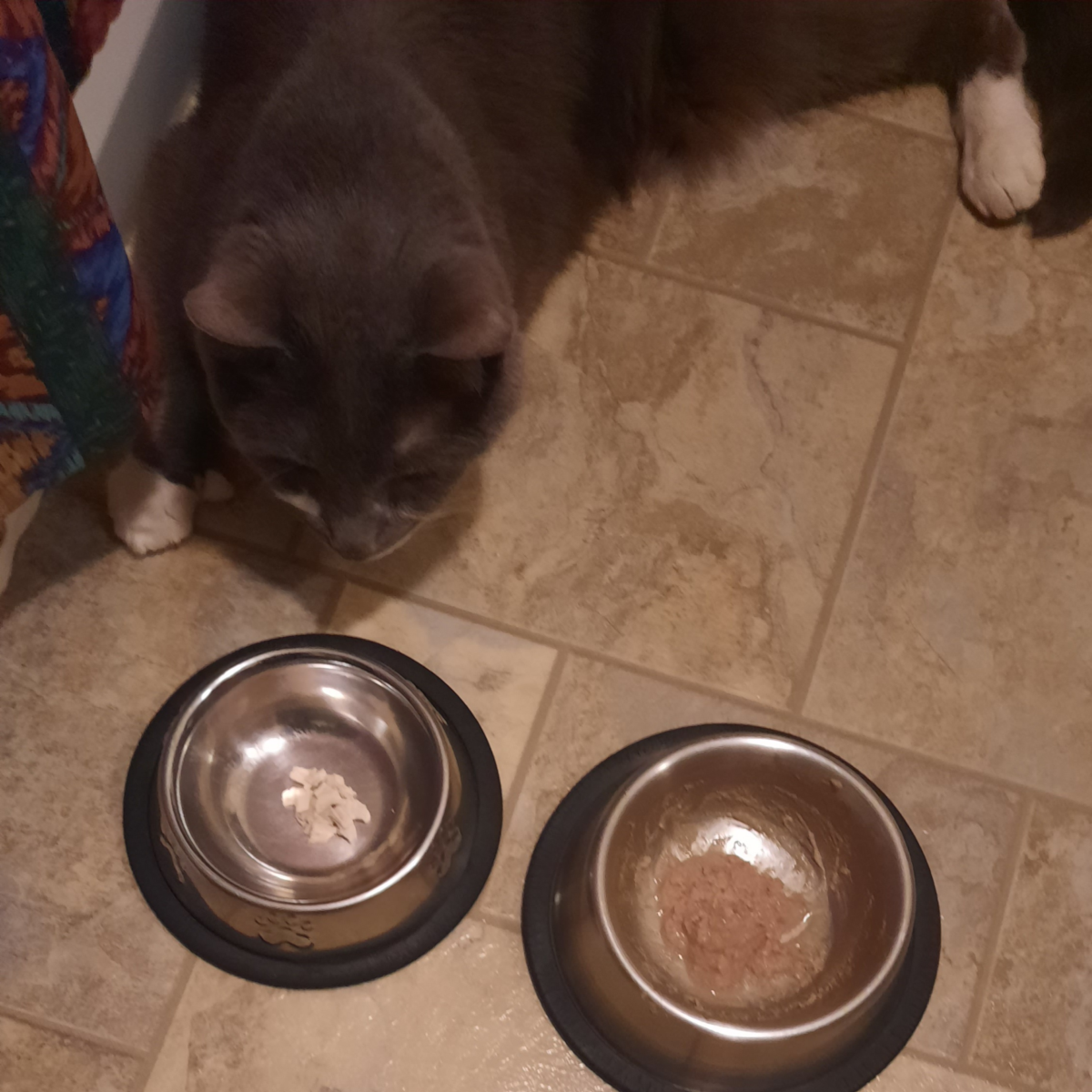 Dividing the daily food allowance into several smaller meals can make feeding more manageable for some hyperthyroid cats. Instead of receiving two large servings separated by long intervals, the cat has additional opportunities to eat throughout the day. This arrangement may make the intervals between meals easier to manage, although it does not correct the metabolic cause of excessive hunger.
The total amount of food still needs to match the cat’s nutritional requirements. If a veterinarian has established a daily calorie target, that amount can be distributed across several feedings without automatically increasing the total. For an underweight cat, the recommended allowance may already include additional calories intended to prevent further weight loss or support recovery.
The American Association of Feline Practitioners’ consensus statement on feline feeding programs recommends offering cats multiple smaller meals and considering feeding methods that accommodate their natural behavior. These are general feline feeding recommendations rather than evidence that frequent meals specifically treat hyperthyroid hunger. Nevertheless, the approach can provide a practical structure for households dealing with persistent food requests.
Automatic feeders are particularly useful when work schedules or nighttime feeding demands make frequent meals difficult. A programmable feeder can distribute measured portions without requiring someone to be available for every serving. Models intended for wet food require appropriate temperature control and cleaning, while dry-food feeders should be checked for reliable portion delivery.
Some cats benefit from having food spread across a shallow dish or divided into smaller portions to slow rapid eating. Puzzle feeders can provide another option, provided the cat can obtain its food without excessive effort. An underweight, arthritic, or physically weak cat should not have to struggle to receive adequate nutrition, so feeding devices must accommodate the animal’s abilities.
Preventing Food Competition in Multi-Cat Households
Managing an excessive appetite becomes more complicated when several cats share the household. A hungry hyperthyroid cat may finish its own meal and immediately approach another animal’s bowl. This can leave one cat consuming more than intended while another receives less food than it needs.
Separate feeding areas offer a practical way to control intake. Some households can feed cats in different rooms with doors closed until meals are finished, while others may benefit from microchip-activated feeders that restrict access to individual animals. The arrangement should account for mobility limitations, established feeding habits, and whether any cat requires a therapeutic diet.
Food stealing also makes nutritional records unreliable. A written record showing that the hyperthyroid cat received three measured meals does not represent actual intake if the animal also consumed food intended for another pet. Controlled access makes it easier to determine how much each cat eats and whether the prescribed feeding plan is being followed.
Cats that prefer grazing throughout the day may need a more gradual adjustment to scheduled feeding. Abruptly removing access to food without ensuring adequate intake can create additional problems, especially for an animal already losing weight. Individual feeding stations or appropriately programmed feeders can sometimes preserve a familiar eating pattern while allowing more accurate portion control.
Understanding Iodine-Restricted Diets for Hyperthyroidism
 Some veterinarians manage feline hyperthyroidism using a prescription diet with a tightly restricted iodine content. The thyroid gland requires iodine to produce thyroid hormones, so limiting dietary iodine can reduce hormone production in appropriately selected cats. This is a specific medical treatment strategy rather than an ordinary weight-management diet.
The restriction must be followed consistently for the treatment to work as intended. The 2023 AAHA guidelines for feline hyperthyroidism therapy explain that cats receiving an iodine-restricted therapeutic diet cannot consume other foods, including treats, another pet’s meals, or prey caught outdoors. Additional dietary iodine can interfere with thyroid control, making exclusive feeding a central requirement.
This presents a practical challenge when the cat appears constantly hungry. Offering ordinary treats or extra servings of conventional cat food may seem like a reasonable way to relieve the hunger, but doing so can undermine the dietary treatment. If more calories are needed, the feeding amount must be adjusted using the prescribed food while maintaining the required restriction.
An iodine-restricted prescription diet is not appropriate for every hyperthyroid cat. Some animals do not achieve normal thyroid hormone concentrations despite exclusive feeding, and questions remain about the long-term effects of severe iodine restriction. Medical conditions, nutritional needs, and the owner’s ability to maintain exclusive feeding all influence whether this approach is suitable.
Owners should never attempt to reproduce this treatment by removing iodine-containing ingredients from ordinary cat food. Commercial therapeutic diets are formulated to provide complete nutrition while controlling iodine intake. Improvised dietary restrictions can create nutritional deficiencies without reliably controlling thyroid disease.
How Thyroid Treatment Changes Appetite and Calorie Requirements
Food management often becomes more predictable when excessive thyroid hormone production is brought under control. Treatment options include antithyroid medication, radioactive iodine therapy, surgical removal of affected thyroid tissue, and prescription iodine-restricted dietary therapy. Each has different considerations involving effectiveness, cost, availability, monitoring, and the cat’s other medical conditions.
As thyroid hormone levels return toward normal, the body’s excessive energy expenditure generally decreases. The cat may gradually become less demanding around food, although appetite and behavior do not necessarily change at the same rate. Some cats remain strongly food-motivated after successful treatment, making weight and body condition more useful indicators than begging behavior alone.
Medication introduces additional considerations because appetite changes can also reflect adverse effects. Methimazole, a commonly prescribed antithyroid medication, may cause vomiting, reduced appetite, lethargy, and skin reactions, including facial itching. The FDA’s guidance on methimazole for feline hyperthyroidism also describes less common but serious effects involving the liver and blood cells.
A declining appetite therefore needs to be evaluated in context. It may accompany improving thyroid control, but a pronounced loss of interest in food can indicate medication intolerance, excessive suppression of thyroid function, or another medical problem. Owners should not change or discontinue prescribed medication based solely on appetite, because thyroid hormone testing and other clinical information are needed to guide treatment decisions.
Persistent excessive hunger also deserves reassessment when thyroid disease is being treated. A cat that continues losing weight despite eating well may have inadequately controlled hyperthyroidism, another concurrent illness, or insufficient nutritional intake. Repeat thyroid testing and evaluation of the cat’s overall condition can help distinguish these possibilities.
Monitoring Weight, Appetite, and Body Condition at Home
 A simple feeding and weight record can be particularly useful during the early stages of treatment. Owners do not need an elaborate tracking system, but they should be able to identify what the cat ate, whether the amount changed, and how body weight responded. Gradual changes are often easier to recognize in written records than through casual daily observation.
Useful details include the type and quantity of food offered, estimated consumption, body weight, vomiting or diarrhea, and changes in drinking or urination. Medication administration and unusual behavior can provide additional context when a veterinarian evaluates treatment progress. Recording these details together also makes it easier to explain whether appetite changes occurred before or after a treatment adjustment.
Regular weighing can reveal changes before they become visually obvious. Weekly or every-other-week measurements may be practical for many stable cats, although the appropriate frequency depends on the animal’s condition and treatment plan. Using the same scale under similar circumstances improves consistency, particularly when tracking relatively small changes.
Body weight should also be considered alongside muscle condition. A cat can gain weight without fully restoring muscle, and increasing body fat does not necessarily indicate complete nutritional recovery. During follow-up examinations, muscle assessments can help determine whether the feeding plan is supporting an appropriate improvement in physical condition.
Recognizing When Hunger or Appetite Changes Require Medical Attention
Not every change in appetite can be attributed to hyperthyroidism. Diabetes mellitus and certain digestive disorders can also produce increased hunger, sometimes accompanied by weight loss. A previously stable hyperthyroid cat that develops renewed excessive appetite may need evaluation for inadequate thyroid control or an additional medical condition.
Changes in thirst and urination deserve attention because they can occur with thyroid disease, diabetes, and kidney dysfunction. Kidney disease can also become more apparent after hyperthyroidism is treated because thyroid hormone excess increases blood flow through the kidneys and can mask reduced kidney function. Periodic blood chemistry testing, urinalysis, and blood pressure measurements help veterinarians evaluate these overlapping problems.
A sudden loss of appetite should not automatically be interpreted as the thyroid treatment finally working. Cats that refuse food, develop repeated vomiting, become markedly weak, or show pronounced lethargy need timely veterinary assessment. Cornell’s guidance on appetite loss in cats explains that sustained food refusal can become medically serious within approximately 24 hours in a mature cat, and earlier evaluation is appropriate when the animal is already ill.
Certain symptoms require emergency attention regardless of the feeding schedule. Severe breathing difficulty, collapse, seizures, or sudden loss of vision can indicate serious complications that cannot be managed through dietary changes. Cornell’s information on feline hypertension explains how high blood pressure, which can occur alongside hyperthyroidism, may damage the eyes, brain, kidneys, and heart.
Adjusting Food Intake as the Cat Regains Weight
 One of the more easily overlooked aspects of managing hyperthyroidism is recognizing when the original feeding plan is no longer appropriate. During uncontrolled disease, increased calorie intake may be necessary to compensate for excessive energy expenditure. Once thyroid function stabilizes, continuing the same enlarged portions indefinitely can result in unwanted weight gain.
This adjustment is particularly relevant following successful radioactive iodine treatment, surgery, or medication management. As metabolism returns toward normal, calorie requirements should be reconsidered using the cat’s weight trend, body condition, muscle condition, and activity level. The goal is to maintain appropriate nourishment without continuing to feed for metabolic demands that may no longer exist.
Muscle recovery deserves continued attention during this period. Some treated cats regain body weight more readily than muscle mass, especially when they are older or have additional health conditions. Increasing food indiscriminately may add body fat without adequately addressing persistent muscle loss, so nutritional adjustments should consider the composition of the weight being gained.
For cats with concurrent kidney disease, reassessment may also involve changes to the therapeutic diet. Kidney function can become measurably worse after thyroid treatment, making laboratory monitoring particularly relevant when determining long-term nutritional needs. A diet that was reasonable during uncontrolled hyperthyroidism may require modification as both conditions become better understood.
Long-term feeding arrangements are easier to maintain when the household has a clear record of the current diet, measured portions, and any veterinary recommendations. This becomes especially helpful when several people share feeding responsibilities or when the cat receives medication at scheduled intervals. Keeping the feeding record alongside weight measurements and thyroid test results provides a practical way to recognize when hunger, body condition, or nutritional requirements begin changing again.