
Kidney disease changes daily life for a pet in ways that are not always easy to discuss. Increased thirst, larger amounts of urine, nighttime accidents, wet bedding, and missed litter boxes can become part of the household routine. These changes are tiring for pet parents, but they can also be confusing and upsetting for an older cat or dog who has spent a lifetime following familiar bathroom habits. The first thing we need to remember is simple. Our pets are not doing this on purpose.
A senior cat who urinates beside the litter box is not being spiteful. A dog who wets the bed is not forgetting years of house training out of laziness. Their body is changing, and sometimes it cannot give them enough warning or enough physical control to reach the proper place. Compassion begins there.
Kidney Disease Often Means More Urine
 Healthy kidneys remove waste while conserving much of the water the body still needs. As kidney function declines, the kidneys may lose some of their ability to concentrate urine. The pet produces a larger volume of diluted urine and then drinks more water to replace what has been lost.
This can create several practical problems. The litter box becomes saturated faster. A dog may need to go outside more frequently than before. A sleeping pet may wake too late to reach the door or box. Pets with arthritis, weakness, poor vision, confusion, or painful joints may know exactly where they need to go but cannot get there quickly enough.
True urinary incontinence means urine leaks without the pet having full voluntary control. An incontinent pet may leave a wet spot where they were sleeping or dribble while walking. Constant moisture can also irritate the surrounding skin and cause urine scald.
Kidney disease does not automatically cause loss of bladder control. It often causes increased urine production, which can expose mobility problems, litter box difficulties, or another urinary condition. That distinction matters because a new accident may have more than one cause.
New Accidents Deserve a Veterinary Check
A pet with known kidney disease can still develop a urinary tract infection, bladder inflammation, stones, diabetes, spinal problems, medication side effects, or age-related cognitive changes. Assuming every accident is “just the kidneys” can allow a treatable problem to go unnoticed.
Call the veterinary office when accidents begin suddenly, become much more frequent, or appear alongside other changes. Watch for straining, repeated attempts to urinate, crying during urination, blood in the urine, strong odor, fever, vomiting, weakness, poor appetite, or frequent licking around the urinary opening. These signs can point toward infection, pain, inflammation, or obstruction.
A pet that repeatedly strains but produces little or no urine needs urgent veterinary care. This is especially serious in male cats because a urinary blockage can become life-threatening.
Your veterinarian may recommend bloodwork, urinalysis, a urine culture, blood pressure measurement, imaging, or a review of medications. These tests help separate increased urine volume from true incontinence and identify problems that may be making the accidents worse.
Never Restrict Water to Reduce Accidents
 It can be tempting to pick up the water bowl before bedtime. Please do not do that unless a veterinarian has given very specific instructions for an unusual medical situation.
Pets with chronic kidney disease depend on steady access to fresh water because they lose more water through their urine. Restricting water can worsen dehydration and leave them feeling weak, nauseated, constipated, or generally unwell. The International Renal Interest Society advises that dogs and cats with chronic kidney disease should have fresh water available at all times.
Instead of limiting water, place additional bowls in easy-to-reach areas. Senior pets should not have to climb stairs, cross slippery floors, or walk to the far side of the house for a drink. Wide, shallow bowls can be more comfortable for cats with sensitive whiskers or neck pain. Some pets prefer a fountain, while others drink better from an ordinary ceramic or stainless-steel bowl. Keep the setup familiar. Kidney patients already deal with enough change.
Make the Bathroom Easier to Reach
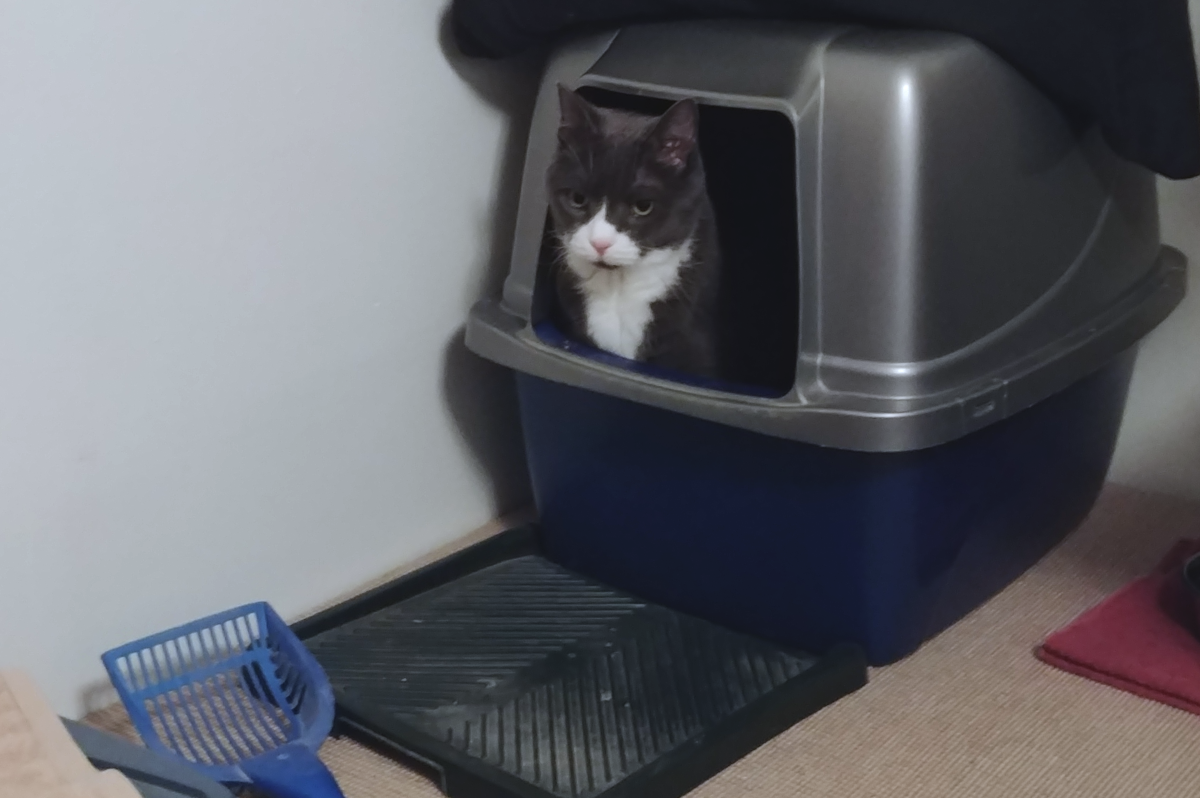
Convenience can prevent many accidents. A senior pet may need several bathroom stations instead of one perfect location. For cats, place low-entry litter boxes near sleeping areas and on every floor they use. A storage tote with a doorway carefully cut into one side can provide a large box with a low entrance while still containing litter. Smooth every cut edge so the opening cannot scrape the cat’s skin.
Avoid forcing an arthritic cat to climb over a tall wall. Large boxes are often easier because the cat has room to turn, balance, and squat without stepping into a previously wet area. Unscented litter is usually the safest starting point since strong perfumes may discourage some cats from entering.
Keep the boxes very clean. Senior cats with kidney disease may produce enough urine to soil a box far faster than expected, and some will seek another location once the litter feels wet or smells heavily used. Cornell’s senior cat guidance notes that increased urine production can cause litter boxes to become dirty sooner, which may contribute to elimination elsewhere.
Dogs may need more outdoor trips, including one late at night and another early in the morning. A covered potty area near the door can help during rain, snow, or bitter cold. For a dog with limited mobility, an indoor grass pad or washable potty station may be kinder than expecting a long walk every time the bladder fills.
Protect Beds Without Taking Comfort Away
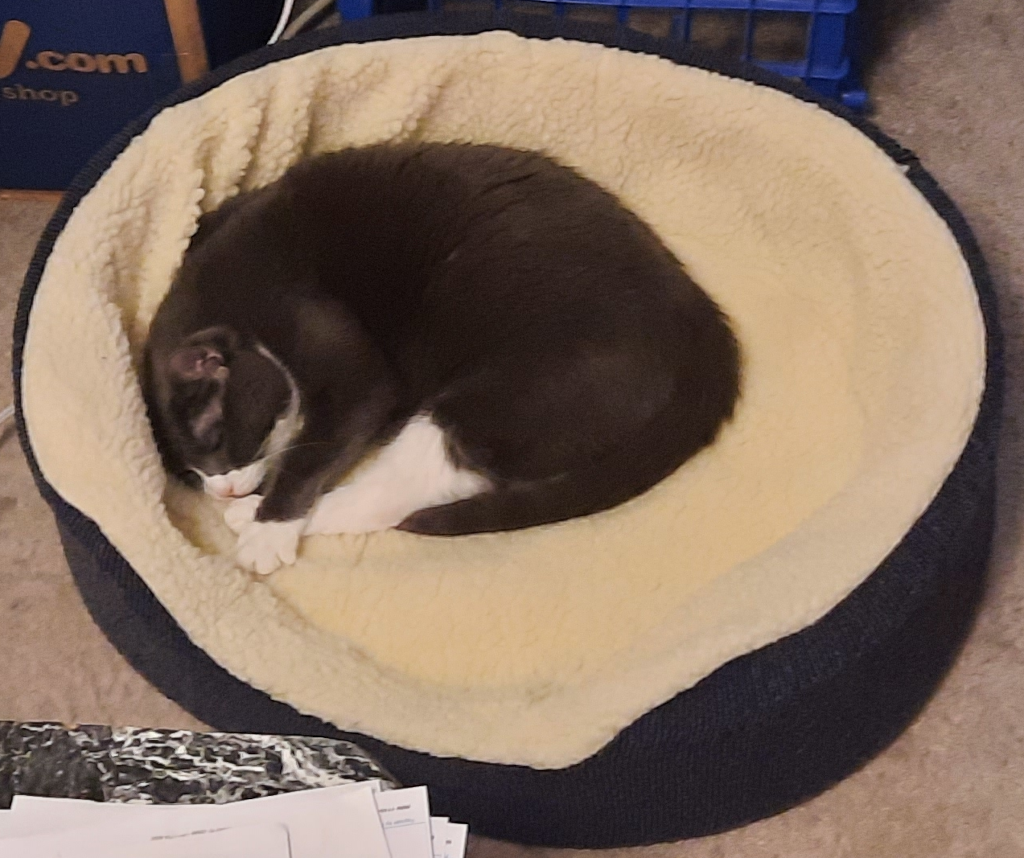 Many pets with kidney disease sleep deeply, move slowly, or spend more time resting. Taking away their favorite bed after an accident can feel like punishment, even when the real goal is protecting the floor.
Layer the bed instead. Start with a waterproof cover or washable incontinence pad, add a soft blanket, and keep replacement layers nearby. A waterproof crib mattress protector can work well inside some larger pet beds. Human washable bed pads are also useful because they absorb liquid without feeling like thin plastic.
Make the bed easy to enter. Thick orthopedic beds can support aging joints, but a high edge may become a barrier. A flat mattress-style bed or a bed with one open side may work better.
Check bedding often. A pet may continue sleeping on a damp surface, especially if they are weak, deeply asleep, or less sensitive to discomfort. Changing the bedding promptly protects both the skin and the pet’s sense of comfort.
Clean the Skin Gently and Thoroughly
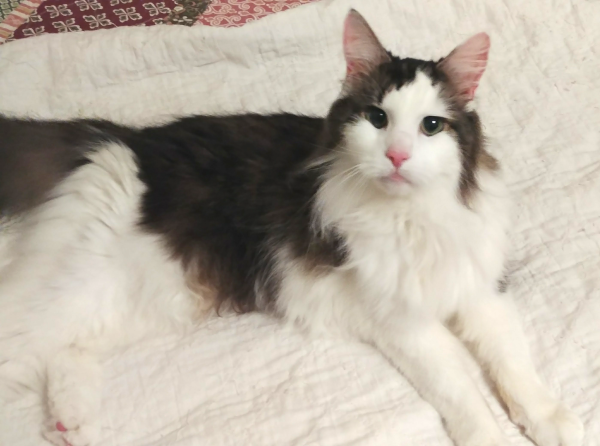
Urine left against the skin can cause redness, soreness, odor, hair loss, and painful inflammation. Pets with long fur may need extra help because moisture can remain trapped close to the body. Use a soft cloth with warm water or a pet-safe, fragrance-free cleansing wipe. Pat rather than scrub. Dry the area carefully afterward, including skin folds and the fur between the hind legs.
A sanitary trim may help keep long fur cleaner, but clippers and scissors can injure thin senior skin very easily. A veterinarian or experienced groomer can perform the trim more safely, especially if the pet is frail, restless, or painful.
Ask the veterinary team before applying ointment, powder, diaper cream, petroleum products, or a skin barrier. Some human products contain ingredients that should not be swallowed, and cats and dogs often lick anything placed on their skin.
Red, broken, swollen, bleeding, or foul-smelling skin needs veterinary attention. Skin damage can become infected, and a kidney patient may already have less physical reserve for healing.
Pet Diapers Can Help, but They Require Work
 Diapers are useful for some incontinent pets, particularly during sleep, car rides, or time spent on furniture. They are not a complete solution. A wet diaper must be changed promptly. Leaving it in place holds urine against the skin and can create the exact irritation we are trying to prevent. Check the fit around the waist, tail, and legs. It should be secure without leaving deep marks or restricting movement.
Some cats become distressed in diapers. Others remove them immediately. That does not mean the cat is difficult. Cats depend heavily on free movement, grooming, and familiar body sensations. Washable pads and protected resting areas may be less stressful.
Dogs often accept diapers more readily, though each dog is different. Male wraps can help with urine dribbling in male dogs, while full diapers provide broader coverage. Both still require frequent checks, cleaning, and skin care. Give diaper-free time whenever practical. Let the skin breathe while the pet rests on an absorbent washable pad.
Use Enzyme Cleaner, Not Anger
Ordinary household cleaners may remove the visible stain while leaving enough odor behind to draw the pet back to the same area. An enzyme-based pet urine cleaner breaks down the organic material more effectively.
Blot fresh urine before applying the cleaner. Avoid scrubbing it deeper into carpet padding. Follow the product directions and test delicate surfaces in a hidden area first.
Do not scold, startle, rub the pet’s nose in the accident, or carry them angrily to the litter box. Punishment cannot restore bladder control, reduce urine production, or make arthritic legs move faster. It can make the pet afraid to urinate in front of you, which creates more stress without solving the medical problem. Quiet cleanup is enough.
Keep a Simple Daily Record
Patterns can reveal what memory misses. Record the time of accidents, approximate urine volume, water intake changes, appetite, medications, outdoor trips, litter box use, and any unusual behavior.
A sudden increase in drinking or urination deserves attention, even in a pet already diagnosed with kidney disease. Diabetes, hyperthyroidism, infection, medication changes, and progression of kidney disease can all affect these habits. Increased thirst and urination can occur with several different illnesses, so testing is needed to identify the cause.
Bring the record to veterinary appointments. Photos of urine color, irritated skin, or the location and size of wet spots may also help, provided taking them does not delay urgent care.
For pets who also have diabetes, our free BellenPaws pet diabetes tracker can record glucose readings and produce printable charts and tables to share with the veterinary team. Printable blank glucose curve forms are also available for families who prefer working on paper.
Adjust the Home Without Shrinking Their World
 Some families respond to accidents by confining the pet to a bathroom, laundry room, basement, or crate for most of the day. A smaller safe area can sometimes help during short periods, but long-term isolation can remove companionship at the stage of life when a pet may need it most.
Protect the rooms your pet loves instead. Place washable pads on favorite furniture. Add waterproof covers beneath blankets. Use machine-washable rugs on slippery floors. Set up a litter box or potty station close to the family room. Block access only to spaces that truly cannot be made safe.
A senior pet should still hear familiar voices, receive gentle affection, and rest near the people they trust. Clean floors matter, but they should not cost a pet their place in the family.
Watch for Changes in Quality of Life
Incontinence alone does not mean a pet has lost their quality of life. Many kidney patients continue enjoying meals, sunshine, naps, grooming, attention, and family routines while their people manage accidents around them.
Look at the whole pet. Notice appetite, hydration, nausea, comfort, movement, sleep, social interest, grooming, body weight, and whether good days still outnumber difficult ones. Kidney disease can change over time, and treatment plans may need adjustment as symptoms develop.
Ask the veterinarian about nausea control, appetite support, constipation, blood pressure, anemia, pain, hydration support, and mobility problems. A cat who stops reaching the litter box may need arthritis care as much as urinary care. A dog who wets the bed may need more frequent outings, but may also need testing for infection or true loss of bladder control.
Protect Their Dignity During Hands-On Care
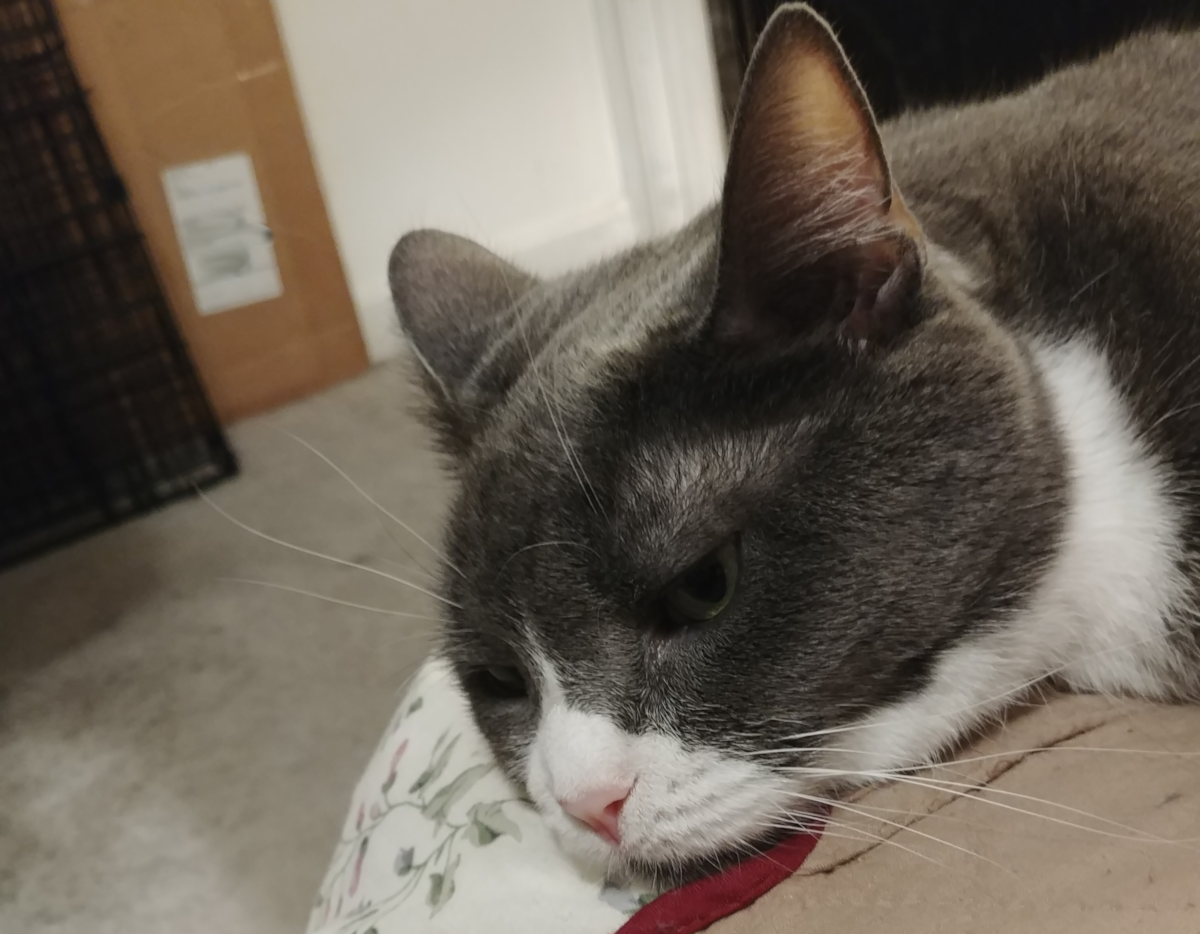 Speak softly while cleaning your pet. Move slowly. Support weak hind legs and avoid forcing painful joints into awkward positions. Keep towels warm and supplies ready so the process does not become longer than necessary.
Some pets feel vulnerable when their rear end is handled. Pause when they become frightened. Use treats, affection, or a favorite blanket when those comforts are medically appropriate. Two people may make cleanup safer, with one person offering reassurance while the other gently washes and dries.
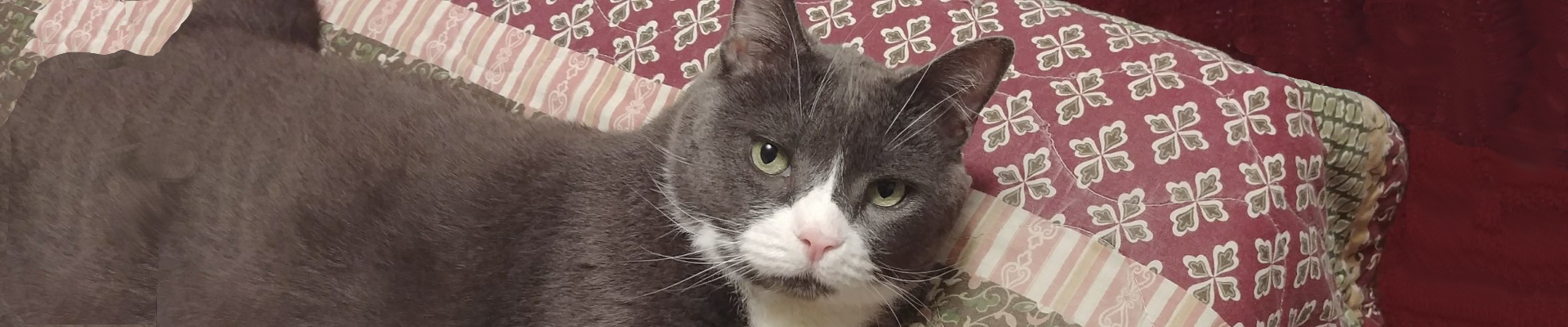
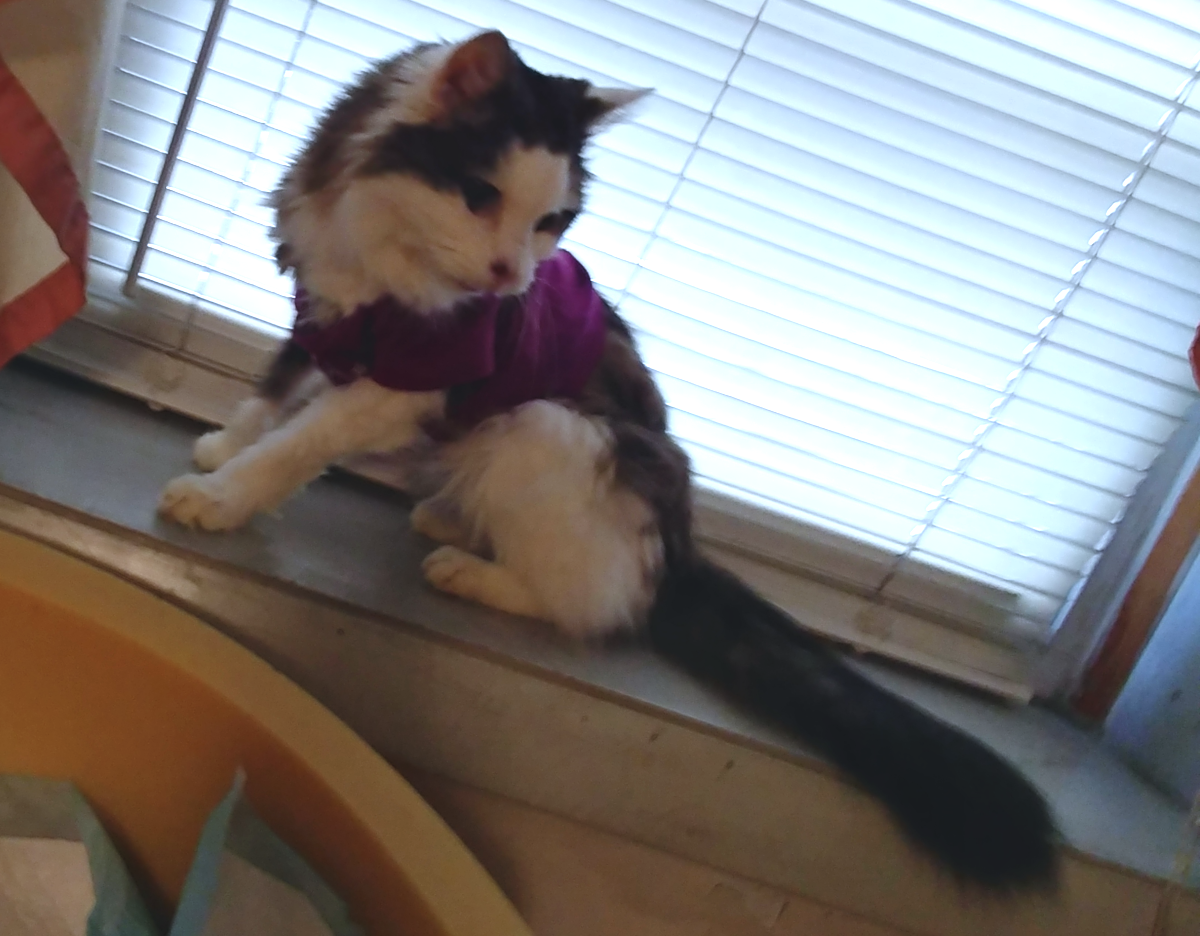
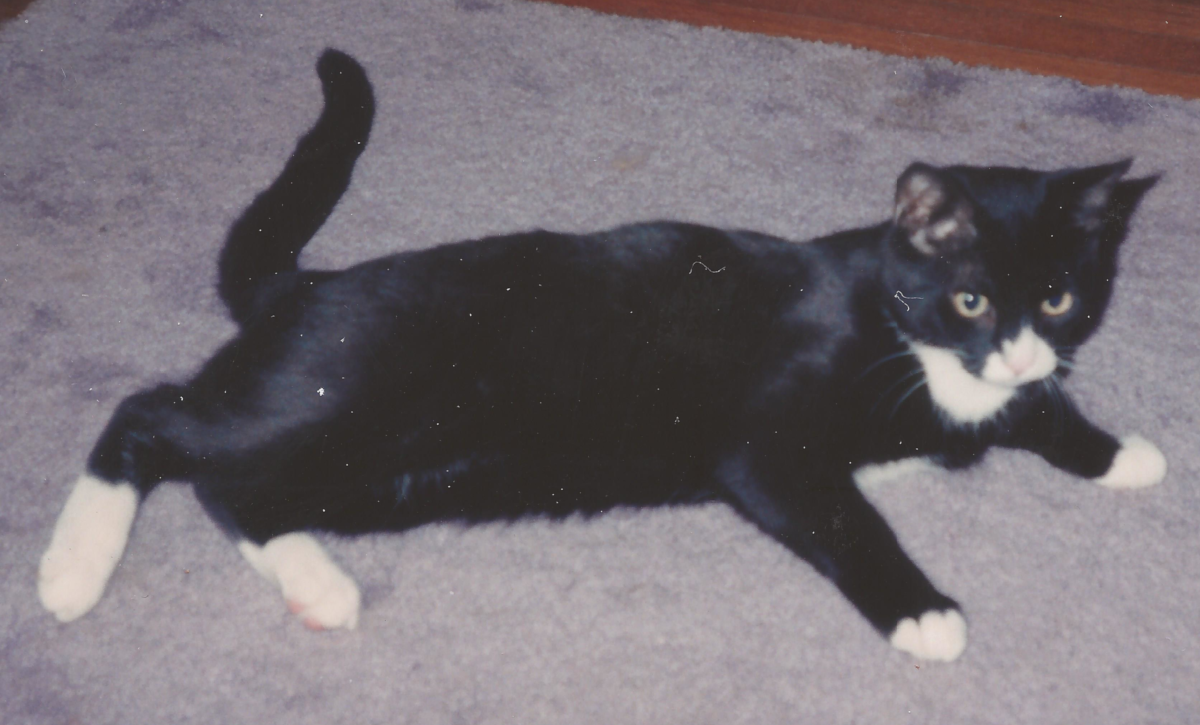
Belle and Pebbles both taught us how much patience matters while caring for cats with kidney disease. They did not measure love by whether everything stayed clean. They measured it through familiar hands, familiar voices, and whether they still felt safe during the hardest parts of aging. Keep that safety intact. Replace the pad, wash the blanket, clean the fur, and let them settle back into the spot where they know they belong.