



Managing hyperthyroidism in a cat can become complicated when the medication used to control the condition causes unwanted reactions or proves difficult to administer. Methimazole is a commonly prescribed treatment, but not every cat tolerates oral medication well. Some experience digestive problems, others resist tablets or liquids, and certain adverse reactions make continued treatment with a particular medication unsuitable.
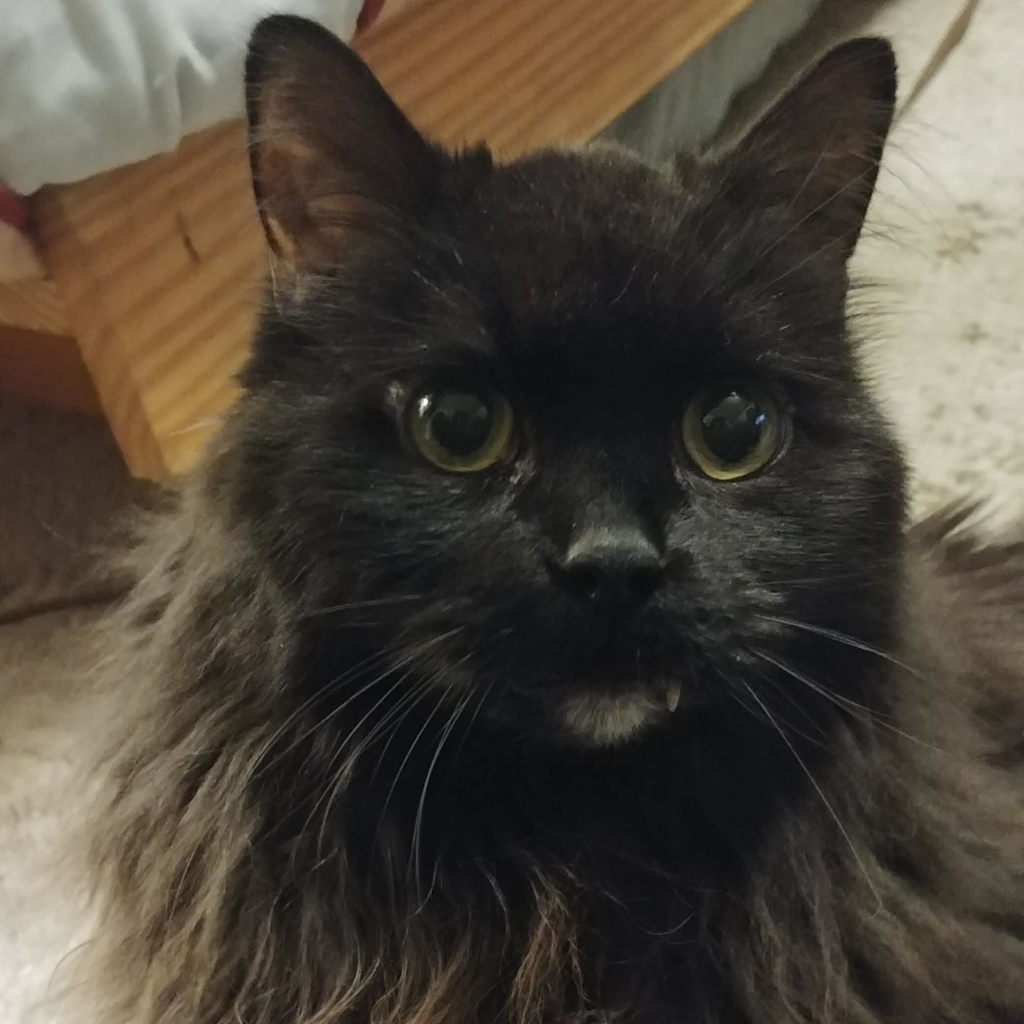
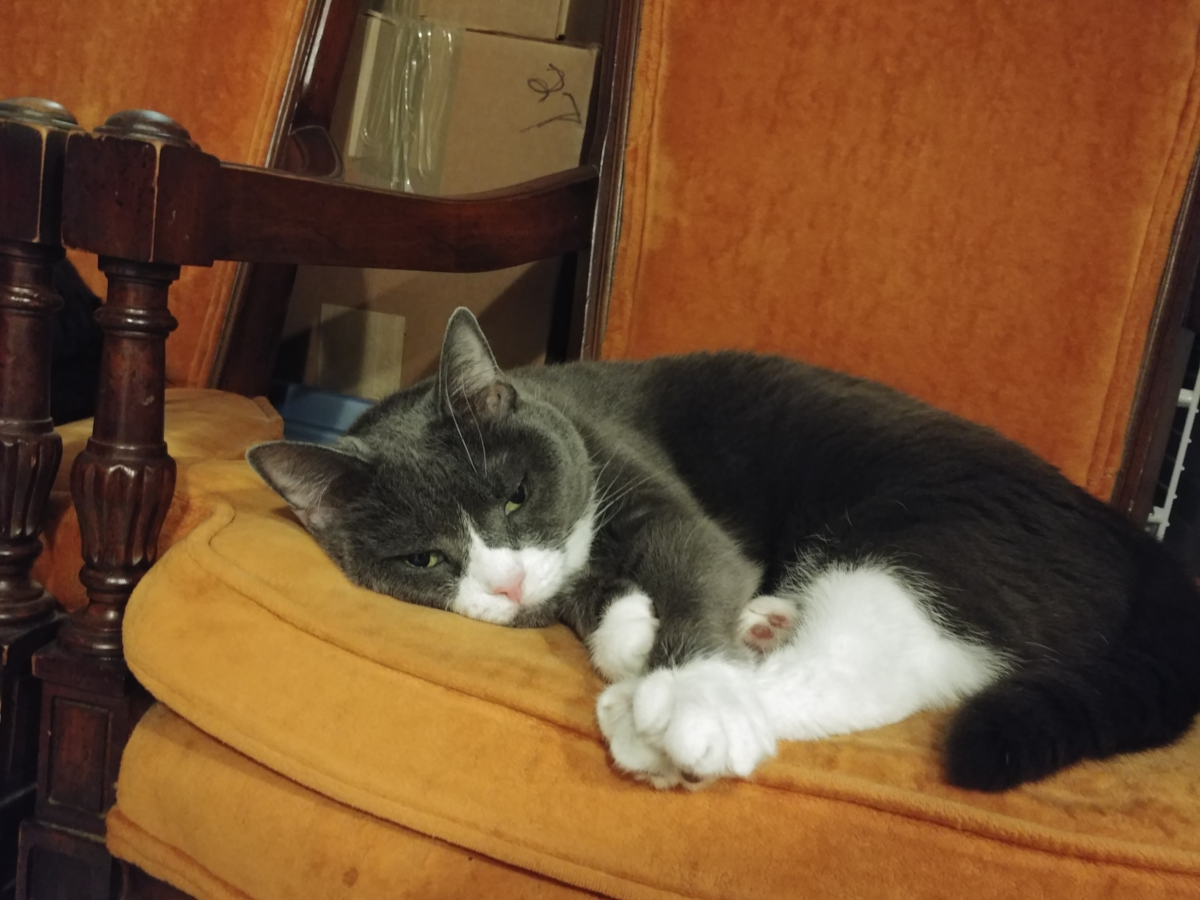
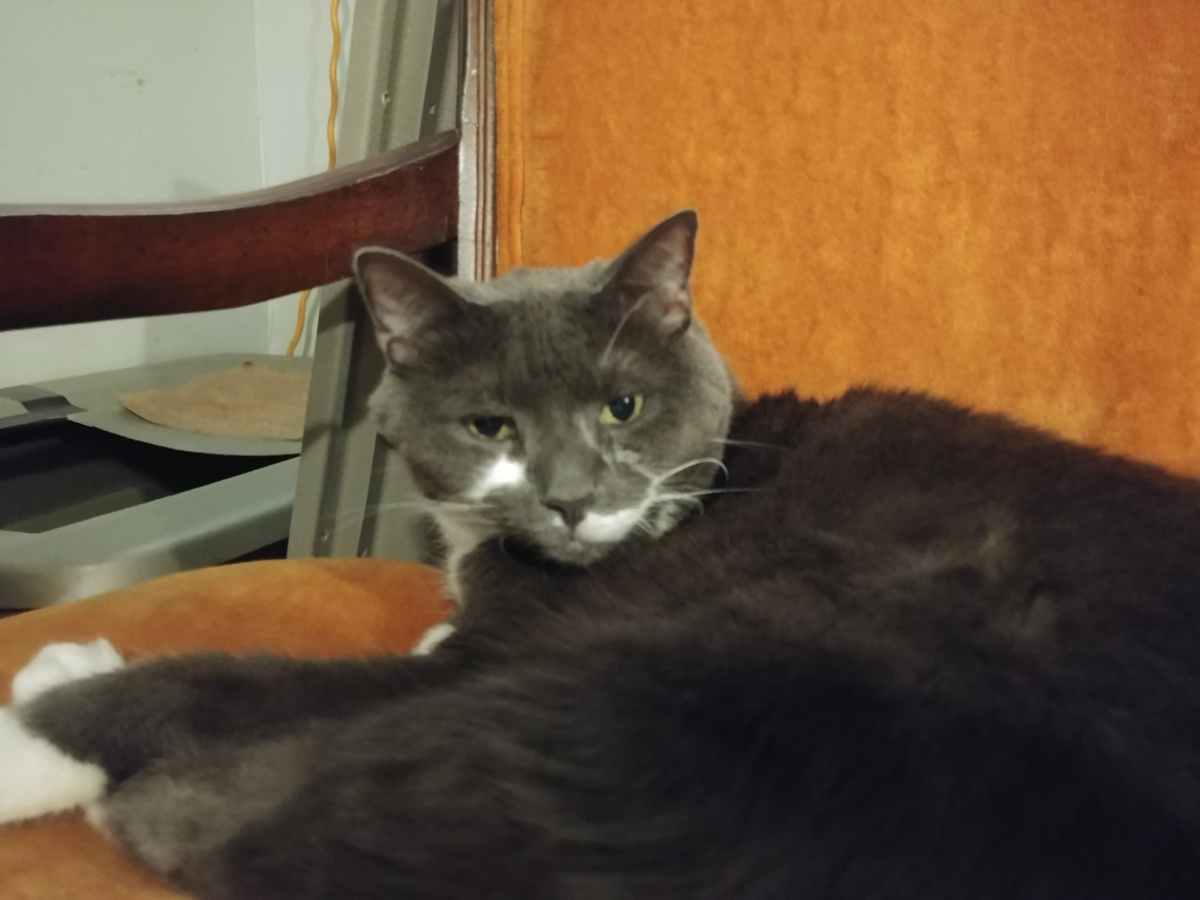
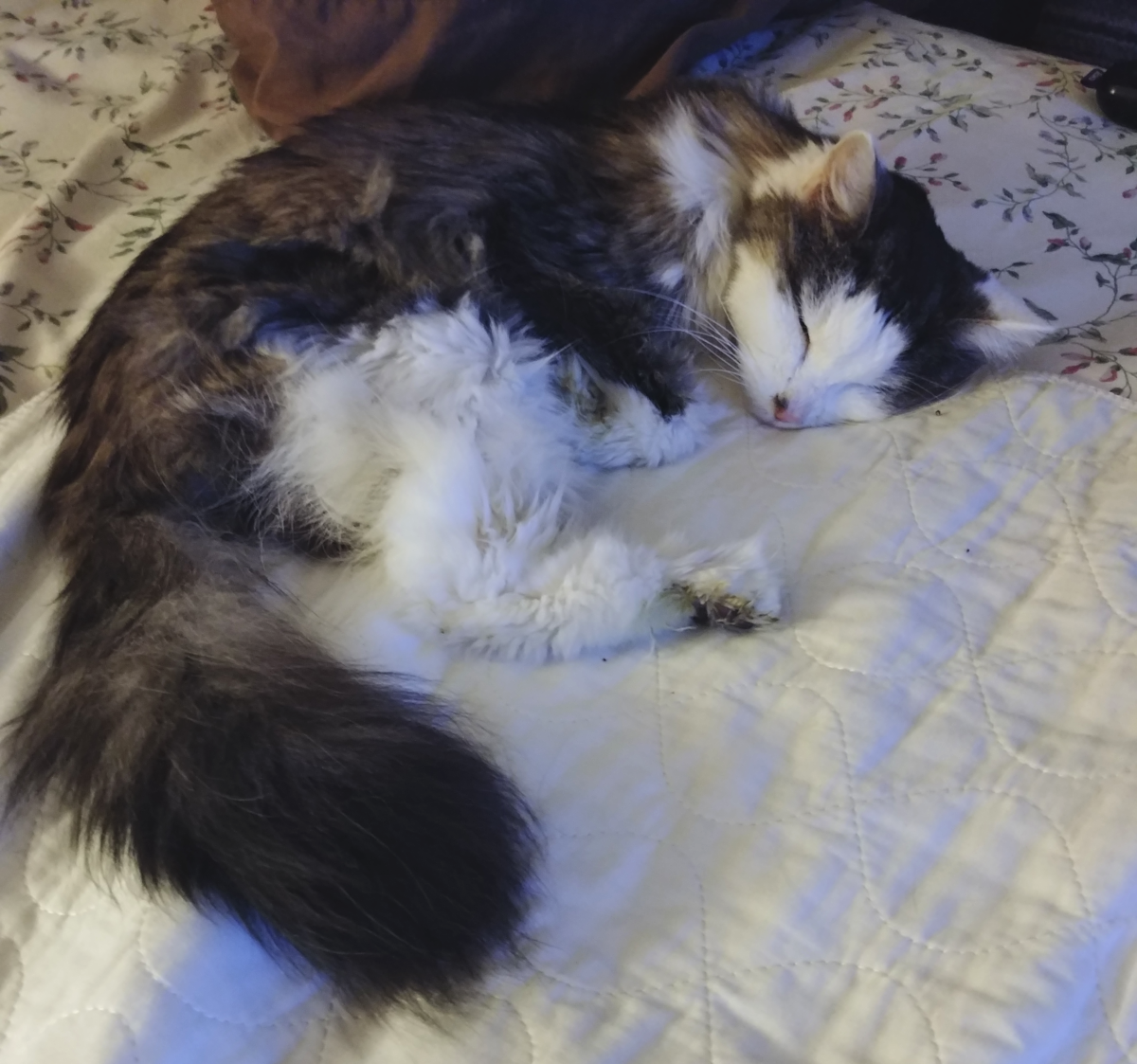
We encountered a medication challenge with our cat Tuffy, who had hyperthyroidism and was allergic to other medications we had tried. His treatment required a transdermal gel that we applied to his ears instead of giving him medication by mouth. That experience gave us firsthand familiarity with a treatment method many cat owners may never encounter until conventional oral medication becomes a problem.
Compounded thyroid medications can offer alternatives to standard tablets, particularly oral liquids and transdermal gels. Understanding how these preparations differ is useful because their effectiveness, absorption, handling requirements, and potential side effects are not necessarily identical.
Understanding Hyperthyroidism and Thyroid Medication in Cats
Hyperthyroidism occurs when a cat’s thyroid gland produces excessive amounts of thyroid hormones, primarily thyroxine (T4). These hormones influence metabolism throughout the body, including how rapidly energy is used and how hard the cardiovascular system must work. Excessive thyroid activity commonly causes weight loss despite an increased appetite, along with changes such as vomiting, increased thirst, restlessness, and a faster heart rate.
The condition occurs most frequently in middle-aged and older cats. In most cases, excessive hormone production results from benign overgrowth of thyroid tissue, although malignant thyroid tumors are possible. Untreated hyperthyroidism can place considerable strain on the heart and other organs, making effective treatment an important part of managing the disease.
Methimazole reduces the production of thyroid hormones by interfering with hormone synthesis inside the thyroid gland. It can control hyperthyroidism, but it does not eliminate the abnormal thyroid tissue responsible for excessive hormone production. Consequently, cats receiving methimazole generally require ongoing treatment unless they later undergo a definitive procedure such as radioactive iodine therapy or surgery.
The medication is available in several forms, including commercially manufactured tablets, an approved oral solution, and specially compounded preparations. Although these products may contain the same active ingredient, differences in formulation and administration can influence how consistently the medication reaches the bloodstream.
What Makes a Thyroid Medication Compounded?
 Compounding is the process of preparing a medication in a customized form or concentration to meet an individual patient’s medical needs. A veterinary compounding pharmacy may create a flavored oral liquid, prepare a particular concentration, or incorporate methimazole into a gel designed for absorption through the skin.
This flexibility can be useful when an existing manufactured product is unsuitable. For example, a cat might require a formulation without a particular inactive ingredient, or a veterinarian might determine that an alternative route of administration is necessary because oral treatment cannot be given reliably.
Not every liquid thyroid medication is compounded. In July 2024, the U.S. Food and Drug Administration approved Felanorm, an oral methimazole solution for treating feline hyperthyroidism. Felanorm and Felimazole coated tablets are both FDA-approved methimazole products, as explained in the agency’s guidance on medications for feline hyperthyroidism.
Compounded transdermal methimazole gels, by comparison, are not FDA-approved finished drug products. Compounding can be medically appropriate, but the specific preparation does not undergo the same premarket evaluation for safety, effectiveness, manufacturing quality, and consistency as an approved medication.
For cat owners, this distinction is relevant when comparing an approved oral liquid with a compounded oral liquid or ear gel. The decision involves the medical suitability of the product, not simply which form appears easiest to administer.
Oral Liquid Thyroid Medications: Benefits and Challenges
Oral liquids provide an alternative for cats that have difficulty swallowing tablets or consistently reject pills. Medication can be measured with a properly marked dosing syringe, which may be useful when administering small amounts. Some compounded liquids also offer flavoring options that are intended to make medication more acceptable to an individual cat.
An important advantage of approved oral methimazole products is that their absorption and effectiveness have been evaluated as part of the approval process. Oral administration generally provides more established information about how the medication behaves in the body than is available for an individual compounded transdermal formulation.
However, giving a cat liquid medication is not necessarily easy. Some cats resist having their mouths handled, dislike the taste, or spit out part of the medication. When that happens, the owner may be uncertain how much of the prescribed amount was swallowed.
Adding an oral medication to food may be possible when the product instructions and veterinary guidance permit it. The cat must consume the entire medicated portion, making a small amount of suitable food more practical than mixing medication into a full meal that might go unfinished. A cat that refuses the food can also develop an unwanted association with a familiar meal.
Digestive intolerance is another reason oral treatment may become difficult. Methimazole can cause vomiting, decreased appetite, and other gastrointestinal symptoms, particularly during the early stages of treatment. These problems sometimes improve with an appropriate change in administration or treatment planning, but persistent symptoms should not simply be accepted as an unavoidable part of medication.
Transdermal Thyroid Gels: How Medication Is Absorbed Through the Ear
 Transdermal medications are designed to pass through the skin and enter the bloodstream. For feline hyperthyroidism, methimazole can be compounded into a gel that is applied to the relatively hairless inner surface of the outer ear flap, called the pinna.
The ear flap provides an accessible application area without requiring the cat to swallow anything. A measured quantity of gel is spread over the designated skin surface, allowing the active medication to penetrate the skin. The preparation must contain ingredients suitable for transdermal delivery because not every medication can be absorbed effectively through this route.
One potential advantage is reduced gastrointestinal intolerance. Because the medication is administered through the skin rather than swallowed, some cats experience fewer digestive problems. This can be particularly helpful when vomiting or appetite changes interfere with oral treatment.
There are limitations, however, because absorption through feline skin can vary considerably. The medication’s concentration, the ingredients used to carry it through the skin, and the condition of the application area can all influence delivery. Different compounded formulations containing methimazole should not automatically be considered interchangeable.
Transdermal treatment can also take longer to achieve satisfactory thyroid hormone control in some cats. A properly applied gel does not guarantee that enough medication has reached the bloodstream, so the effectiveness of treatment must be assessed through laboratory testing.
What Veterinary Research Tells Us About Oral and Transdermal Methimazole
A 2004 study published in the Journal of Veterinary Internal Medicine compared oral methimazole with transdermal methimazole in cats newly diagnosed with hyperthyroidism. Forty-seven cats entered the randomized study, and 44 followed the study protocol.
After two weeks, 14 of 16 cats evaluated in the oral group had T4 concentrations within the reference range, compared with 14 of 25 cats in the transdermal group. By the fourth week, the difference between groups was no longer statistically significant, although fewer cats were available for evaluation. The researchers also found fewer gastrointestinal adverse effects in the transdermal group.
These findings suggest that transdermal methimazole can be effective, although oral treatment achieved satisfactory thyroid hormone concentrations sooner in more cats during the initial study period. The relatively small sample and short observation period limit how broadly the results can be applied to other formulations or long-term treatment.
Additional information comes from a 2014 long-term follow-up study of transdermal methimazole, which retrospectively evaluated 60 cats receiving the medication. The researchers reported clinical improvement and generally infrequent adverse effects, but thyroid hormone concentrations were not consistently within the desired range for every cat throughout treatment.
The longer-term findings support transdermal methimazole as a reasonable treatment option while demonstrating the need for continued testing. A cat may improve clinically without maintaining ideal thyroid hormone concentrations, and successful treatment cannot be determined by behavior or appearance alone.
Tuffy’s Experience With Thyroid Medication Applied to His Ears
Our cat Tuffy required a different approach to thyroid medication because he was allergic to other medications we had tried. We used a gel that was applied to his ears, allowing his thyroid treatment to be administered without giving him those oral medications.
The method changed how his medication was handled at home. Instead of administering a tablet or liquid by mouth, treatment involved applying medication directly to the skin of the ear flap. This required attention to the application site and appropriate handling of the medication.
Tuffy’s experience is relevant because medication intolerance and allergic reactions can complicate otherwise straightforward treatment plans. However, it is necessary to distinguish an allergic reaction to a particular ingredient or medication from the gastrointestinal side effects commonly associated with oral methimazole.
If a cat has a genuine allergy or serious systemic reaction to methimazole itself, applying methimazole through the skin does not eliminate that risk. The active ingredient still enters the bloodstream and can cause reactions throughout the body. A different formulation may be appropriate for certain problems involving inactive ingredients or digestive intolerance, but a confirmed reaction to the active drug generally requires another treatment strategy.
The exact cause of an earlier medication reaction should therefore be part of the decision about whether transdermal treatment is suitable. That distinction is especially relevant for cats with complicated medical histories, where multiple medications or illnesses may make the original cause difficult to determine.
Applying Transdermal Gel Safely and Consistently
 A transdermal gel requires a different routine from an oral prescription. The medication is generally applied to the inner surface of the outer ear flap, not inside the ear canal. Owners should follow the specific instructions supplied by the compounding pharmacy because concentrations, applicators, and directions may differ between preparations.
Disposable protective gloves should be worn when handling and applying methimazole gel. The prescribed amount is measured using the supplied applicator and gently spread over the designated skin surface. Avoiding contact with the medication is important because methimazole can be absorbed by people as well as animals.
The treated area should be kept away from other animals and household members, particularly children. Cats that regularly groom one another may be poor candidates for transdermal medication if another cat can lick the treated ear. Accidental ingestion or contact with medication residue can create unnecessary exposure.
Guidance from VCA Animal Hospitals on methimazole administration recommends protective gloves and preventing children and other animals from touching the application site for two hours after treatment. Pregnant or nursing individuals, and those who may become pregnant, require particular precautions when handling methimazole because of its potential reproductive and developmental risks.
Some pharmacies recommend alternating ears to reduce repeated exposure of the same skin surface. Others provide directions for removing accumulated medication residue before subsequent applications. Owners should follow the instructions for their particular preparation rather than adopting a cleaning or application method intended for a different product.
The ear should also be examined periodically for redness, irritation, crusting, or soreness. Repeated topical exposure can cause local skin reactions, and irritated or damaged skin may complicate further application. Persistent irritation deserves attention before continuing to apply medication to the affected area.
Side Effects That Transdermal Medication Cannot Prevent
One of the most important distinctions between oral and transdermal methimazole concerns systemic adverse reactions. Although a gel may reduce gastrointestinal problems, it does not eliminate risks associated with the active medication circulating through the body.
Methimazole can occasionally cause significant abnormalities involving blood cells, liver function, or the immune system. Serious reactions may include reduced white blood cell counts, anemia, decreased platelets, liver injury, and severe itching or facial skin lesions. These complications are uncommon compared with milder digestive symptoms, but they can have substantial medical consequences.
Loss of appetite, repeated vomiting, marked lethargy, fever, unusual bruising, bleeding, yellowing of the eyes or gums, or severe itching warrant prompt veterinary assessment during methimazole treatment. Sudden collapse, serious breathing difficulty, or rapidly worsening illness requires emergency attention. The veterinary team may need to evaluate the medication as a possible cause and determine whether treatment should be discontinued or replaced.
The distinction between a local skin reaction and a systemic adverse reaction also matters. Redness limited to the application area may involve irritation from the gel or one of its ingredients, while widespread symptoms can indicate a more significant medication problem. Neither situation should be interpreted solely from appearance without considering the cat’s medication history and clinical findings.
The 2023 American Animal Hospital Association guidelines for feline hyperthyroidism treatment recognize that transdermal methimazole may reduce gastrointestinal adverse effects. They also recommend choosing another treatment method when significant non-gastrointestinal adverse drug reactions occur.
Compounded Medication Quality, Storage, and Prescription Refills
 Compounded medications introduce considerations that do not always arise with commercially manufactured drugs. Different pharmacies may prepare methimazole using different concentrations, carrier ingredients, and dispensing devices. Even when the prescribed active ingredient is unchanged, variations in the finished preparation may affect administration or absorption.
The FDA’s explanation of approved and pharmacy-compounded animal medications describes why compounding is sometimes necessary while outlining its limitations. Compounded products do not have the same FDA-reviewed evidence for the safety, effectiveness, and manufacturing quality of the finished preparation.
Medication labels should be examined carefully whenever a prescription is refilled or transferred to another pharmacy. The concentration and the amount delivered by an applicator can differ between preparations. A syringe or dispensing mechanism that looks familiar may not deliver the same quantity of medication as the previous product.
Storage requirements can also differ between compounded formulations. The pharmacy should provide an appropriate beyond-use date and instructions concerning temperature, light exposure, and other handling conditions. A gel or liquid that looks unchanged may still be unsuitable for continued use after its assigned beyond-use date.
Consistency becomes particularly relevant when a cat has already achieved satisfactory thyroid control. Switching formulations may require additional assessment because the amount absorbed can change. Informing the prescribing veterinarian about pharmacy or formulation changes helps determine whether earlier laboratory results remain a reliable guide to the new preparation.
Monitoring Thyroid Levels and Kidney Function During Treatment
Cats receiving methimazole require periodic laboratory testing regardless of whether the medication is administered orally or through the skin. Blood tests measuring total T4 help determine whether excessive thyroid hormone production is adequately controlled. They also help identify excessive suppression of thyroid function, which can occur when treatment produces hormone levels that are too low.
The 2023 AAHA guidelines recommend checking T4 approximately every two to four weeks during initial regulation until the desired hormone concentrations are achieved. Complete blood counts, biochemical testing, and urinalysis help assess potential adverse effects and other medical conditions. Once treatment is stable, ongoing examinations and testing remain necessary, with the frequency influenced by the cat’s overall health.
Kidney function deserves particular attention because hyperthyroidism changes blood circulation and filtration within the kidneys. Excessive thyroid hormone activity can increase renal blood flow and glomerular filtration rate, potentially making existing kidney disease less apparent on routine laboratory testing.
When hyperthyroidism is controlled, these effects diminish, and previously concealed kidney dysfunction may become evident. This does not mean that thyroid treatment necessarily caused the underlying kidney disease. It means that kidney values must be interpreted in the context of changing thyroid hormone concentrations.
The relationship can complicate treatment in older cats that have both hyperthyroidism and chronic kidney disease. Excessive thyroid hormone production can cause ongoing cardiovascular and metabolic problems, while overly suppressing thyroid function may adversely affect kidney function. The goal is appropriate thyroid control while accounting for the cat’s broader medical condition.
Owners can contribute useful information by keeping a simple record of medication administration and changes in the cat’s condition. Body weight, appetite, water consumption, vomiting, activity level, and possible medication reactions are all worth documenting. For transdermal treatment, noting changes in the appearance of the ears and any difficulty applying a complete dose can provide additional context.
Choosing Between Oral Liquids and Transdermal Gels
 The decision between oral liquid and transdermal thyroid medication depends on why an alternative formulation is being considered. An FDA-approved oral solution may be appropriate for a cat that cannot swallow tablets but otherwise tolerates methimazole. A transdermal preparation may be considered when oral administration is impractical or gastrointestinal intolerance makes treatment difficult.
Neither formulation is automatically preferable for every cat. Oral medication has more established absorption information, while transdermal treatment offers an administration route that can be easier for certain cats and caregivers. The cat’s response, medical history, and laboratory findings determine whether a particular approach is working.
Practical considerations also affect treatment over time. Compounded preparations may cost more, require specialized pharmacies, or have shorter usable periods after dispensing. Some owners find ear applications easier than oral dosing, while others encounter difficulties with skin irritation, medication residue, or a cat that dislikes having its ears handled.
For cats unable to tolerate methimazole safely, alternatives extend beyond changing the formulation. Radioactive iodine therapy can eliminate overactive thyroid tissue and is considered a definitive treatment for many cats with hyperthyroidism. Surgical treatment is another option, while an iodine-restricted therapeutic diet may be appropriate in selected circumstances when it can be fed exclusively and safely.
These alternatives involve different medical, financial, and practical considerations. Radioactive iodine requires access to a treatment facility and a period of controlled radiation-related handling, while surgery involves anesthesia and operative risks. An iodine-restricted diet requires strict control of all food sources and may not be suitable for cats with certain concurrent nutritional or medical needs.
Maintaining a Reliable Long-Term Treatment Routine
Once a medication formulation has been selected, consistency becomes part of assessing its effectiveness. Medication schedules should be realistic for the household, particularly when more than one caregiver is involved. A shared record can help prevent accidental duplicate doses and clarify whether a treatment was given as prescribed.
Uncertainty about administration should be documented rather than corrected through guesswork. If a cat spits out part of an oral dose, moves during gel application, or receives an incomplete measured amount, the quantity actually delivered may be unknown. Any decision about replacing a missed or partial dose should follow the prescription instructions or specific advice from the veterinary team.
Changes in the cat’s behavior or appetite also need to be considered alongside treatment records. An unexpected increase in T4 may reflect inadequate control, inconsistent administration, or differences in medication absorption. A low T4 concentration can indicate excessive thyroid suppression, particularly when accompanied by other laboratory or clinical changes.
Long-term treatment planning should include a record of medication reactions and the exact formulations previously used. This can be particularly valuable when a cat has experienced intolerance or suspected allergy, as it helps distinguish an unsuccessful product from an active ingredient that should be avoided.
For a cat receiving compounded transdermal medication, retaining the pharmacy’s formulation details can be useful when prescriptions change hands or a familiar product becomes unavailable. Knowing the concentration, carrier formulation, dispensing method, and previous laboratory response gives the veterinary team a more complete basis for evaluating a replacement.
This is especially relevant for cats like Tuffy, whose medical history required a treatment method outside the usual oral options. When a medication has been selected because other preparations were unsuitable, keeping accurate information about that choice can help prevent an avoidable return to a problematic treatment. It also provides a clearer starting point if medication availability, thyroid control, or the cat’s medical needs change later.