
Declawing cats remains a controversial subject in the United States, but many countries have already established firm restrictions against the procedure. Across much of Europe, Australia, parts of Canada, and several other countries, removing a healthy cat’s claws for convenience is prohibited or considered unacceptable veterinary practice. These policies reflect a growing emphasis on protecting an animal’s physical integrity and ability to express natural behaviors.
What makes the international debate particularly interesting is that countries have reached similar positions through different legal systems. Some prohibit nonmedical declawing through national animal protection legislation, while others rely on provincial regulations or professional veterinary standards. A few maintain narrow exceptions that deserve closer examination because their requirements are not identical.
For American cat owners, these differences offer a useful perspective on a procedure that was historically offered as a solution to destructive scratching. They also show how veterinary medicine and animal welfare legislation can influence the way people manage ordinary feline behavior.
Understanding What Declawing Actually Involves
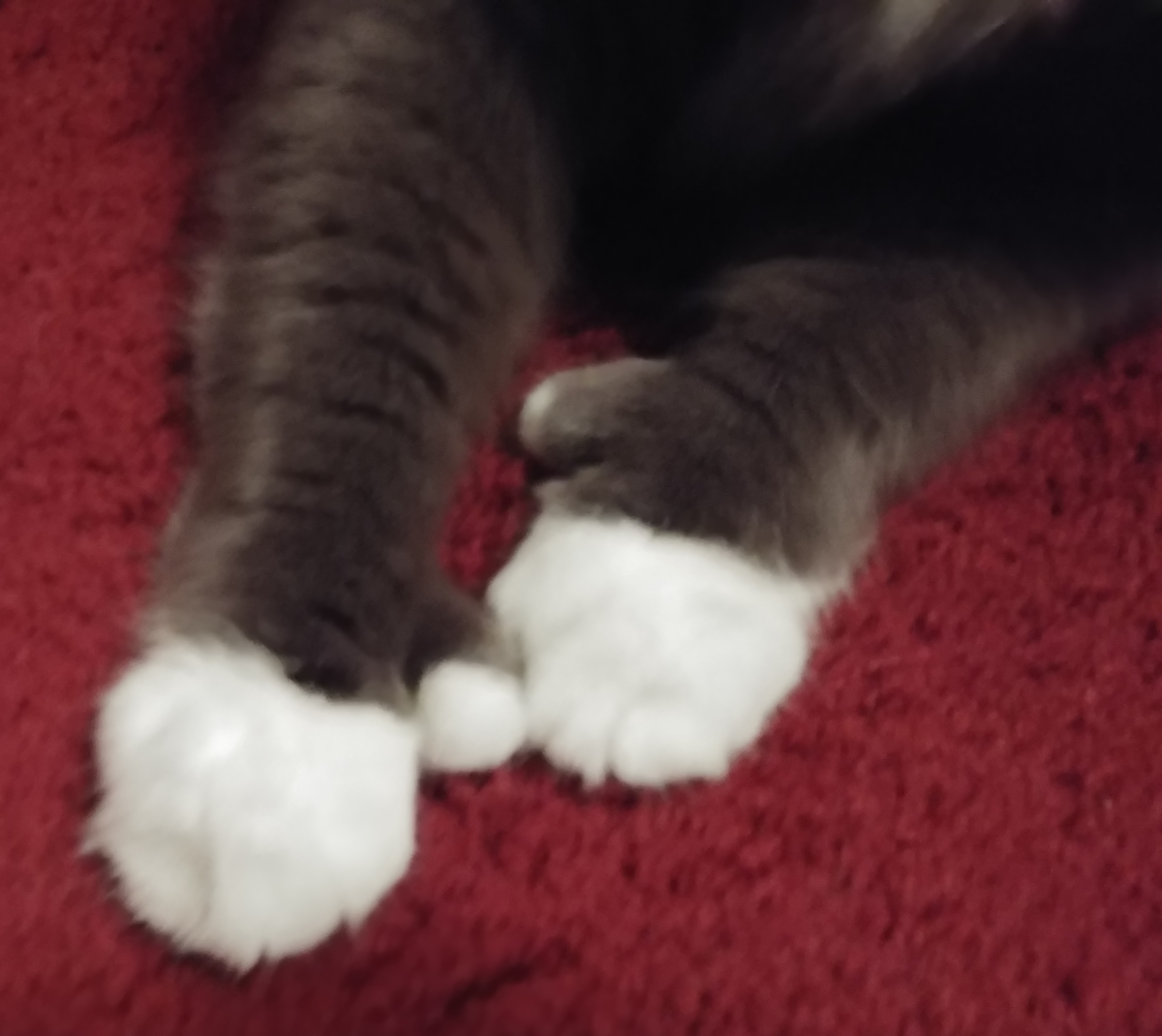 Declawing, medically known as an onychectomy, involves surgically removing the third phalanx, or final bone, of each affected toe. The claw-producing tissue is associated with this bone, so removing it permanently prevents normal claw growth. Although surgical techniques vary, including procedures performed with a scalpel or laser, the anatomical result is an amputation.
This makes declawing fundamentally different from trimming a cat’s nails. Nail trimming shortens the claw without altering the underlying structures, allowing the animal to continue extending and retracting its claws normally. Declawing permanently removes that ability from the affected toes.
Cats rely on their claws for several natural activities, including climbing, gripping surfaces, defense, and scratching. Scratching helps maintain the claws by removing worn outer sheaths, stretches muscles in the forelimbs, and leaves visual and scent markings. Even declawed cats may continue making scratching motions because the motivation to perform the behavior remains.
The physical consequences of declawing are central to international veterinary recommendations. A 2023 scientific assessment by the European Food Safety Authority concluded that declawing has detrimental effects on feline welfare and recommended that it should not be performed unless necessary for the animal’s health.
Europe: Declawing Restrictions Rooted in Animal Welfare
European opposition to elective declawing has a history extending back several decades. One of its most influential developments was the European Convention for the Protection of Pet Animals, opened for signature in 1987. The agreement established principles for protecting companion animals from unnecessary suffering and surgical alterations performed without an appropriate justification.
Article 10 of the European Convention for the Protection of Pet Animals specifically identifies declawing among procedures prohibited for cosmetic or other non-curative purposes. It also addresses ear cropping, tail docking, and devocalization, while allowing defined exceptions when a veterinarian considers a procedure necessary for medical reasons or the benefit of an individual animal.
The convention operates through the Council of Europe, which is separate from the European Union. Participating countries implement its provisions through their own legal systems, and national laws may establish additional restrictions. The European Union itself has not historically maintained a single, comprehensive declawing prohibition that independently applies to every member state.
This distinction matters because international summaries sometimes describe Europe as though every country follows one identical law. In practice, the legal language and enforcement mechanisms differ, even where the underlying restrictions are similar. Across many European countries, however, ordinary furniture scratching is not considered an acceptable reason to surgically remove healthy portions of a cat’s toes.
The United Kingdom: Declawing Is Not a Convenience Procedure
 The United Kingdom has strong legal restrictions against elective declawing. England, Wales, Scotland, and Northern Ireland each have animal welfare legislation that restricts mutilations, including procedures involving healthy tissue or bone when there is no legitimate medical justification.
England and Wales operate under the Animal Welfare Act 2006, while Scotland and Northern Ireland have corresponding legislation. The applicable laws permit certain specifically authorized procedures and medical treatments, but routine declawing to prevent scratching damage is not an accepted exception.
The Royal College of Veterinary Surgeons explains these restrictions in its guidance for animal owners. The organization identifies declawing among cosmetic or convenience procedures that owners should not request unless there is a medical reason for the operation.
This legal framework changes how scratching problems are approached in veterinary practice. A veterinarian may surgically remove affected tissue when a cat has a serious claw injury, tumor, or another condition requiring treatment. A healthy cat scratching furniture presents a behavioral management problem, and the appropriate response involves addressing the behavior and the cat’s environment.
Germany: Unnecessary Amputation Is Restricted by Law
Germany addresses declawing through its broader animal protection legislation rather than a law devoted exclusively to cats. Section 6 of the German Animal Welfare Act generally prohibits the complete or partial amputation of body parts in vertebrate animals, subject to specified exceptions.
Under Germany’s Animal Welfare Act, an individual medical indication can justify an otherwise prohibited procedure. Removing healthy toe bones simply to prevent furniture damage does not meet that medical standard.
The significance of this approach extends beyond declawing itself. German law establishes restrictions on unnecessary anatomical alterations across multiple animal species, requiring surgical decisions to be supported by legally recognized circumstances. For cats, this means that ordinary scratching behavior cannot be treated as a sufficient reason for amputation.
Canada: Provincial Regulations Have Changed Veterinary Practice
 Canada presents a different regulatory model because veterinary medicine is largely governed at the provincial level. Rather than adopting one nationwide declawing statute, Canadian provinces have introduced restrictions through professional veterinary standards and animal welfare legislation.
British Columbia was among the earlier provinces to act. In May 2018, the College of Veterinarians of British Columbia introduced a mandatory professional standard prohibiting elective, nontherapeutic feline declawing. The restriction applies to veterinarians registered with the provincial regulator, making the procedure unacceptable as a response to ordinary behavioral concerns.
The British Columbia professional practice standard identifies medical circumstances in which removing part or all of a digit may be appropriate. These include serious trauma, tumors affecting the nail bed or toe bones, and certain diseases involving the claws. The standard also explicitly rejects an owner’s medical condition or environmental circumstances as justification for nontherapeutic declawing.
Quebec adopted a legislative approach through its Regulation Respecting the Welfare and Safety of Domestic Companion Animals and Equines. Section 16 prohibits onychectomy and other surgical procedures intended to interfere with normal claw function unless recommended by a veterinary surgeon for therapeutic reasons. The restriction also covers tendonectomy, a procedure sometimes proposed as an alternative to removing the claws.
Ontario illustrates how these policies continue to develop. In May 2026, the province adopted a regulation prohibiting feline declawing except when a veterinarian determines that the procedure is necessary to treat an injury or disease and documents that decision in the animal’s medical records.
However, Ontario’s Regulation 152/26 does not take effect until January 1, 2027. As of November 2026, the regulation has been adopted but is not yet in force. This distinction is worth recognizing when comparing laws because an announced prohibition and an enforceable restriction are not necessarily the same.
Canada’s provincial approach demonstrates that meaningful changes in veterinary practice can occur without a single national law. It also makes the details of each province’s legislation and professional standards especially relevant to cat owners.
Australia: Medical Necessity Determines Whether Surgery Is Permitted
Australia also restricts elective declawing through state and territory animal welfare laws. The exact wording and exceptions vary by jurisdiction, but removing healthy claws for household convenience is generally prohibited or unacceptable under applicable veterinary standards.
New South Wales provides a clear example through its Prevention of Cruelty to Animals Regulation 2025. Section 29 allows a veterinary practitioner to remove one or more claws from a cat only when necessary to treat an injury or disease affecting the animal.
The distinction prevents a medical exception from becoming a general authorization for convenience surgery. A veterinarian may need to remove a badly damaged digit or treat a serious disease affecting the claw structures, but a healthy cat’s scratching habits do not provide the same justification.
The Australian Veterinary Association’s policy on surgical alteration of companion animals opposes procedures performed primarily for human convenience. It describes declawing as an amputation and considers it unacceptable without a valid safety, health, or welfare justification.
This professional position reinforces the importance of addressing the reasons behind unwanted behavior. Removing the claws may prevent certain types of physical damage, but it does not resolve a cat’s underlying motivation to scratch.
New Zealand: A Restrictive but Distinct Approach
 New Zealand is often included among countries that oppose or restrict feline declawing, although its official guidance requires careful interpretation. The Animal Welfare Act restricts who may perform significant surgical procedures, including operations that involve substantial interference with an animal’s anatomy.
The country’s Code of Welfare for Companion Cats describes declawing as a significant surgical procedure that must be performed by a veterinarian or an appropriately supervised veterinary student. The code also states that declawing to address social or behavioral problems should be contemplated only when retraining has proved ineffective and euthanasia is the only alternative.
That language is more restrictive than treating declawing as an ordinary elective procedure, but it is not identical to legislation that permits claw removal exclusively to treat physical disease or injury. The code’s guidance should not be interpreted as automatically authorizing surgery whenever an owner believes that relinquishment or euthanasia is possible.
New Zealand’s approach places substantial responsibility on veterinary judgment and behavioral intervention. It recognizes the seriousness of the operation while addressing circumstances in which an animal’s future may be affected by unresolved behavior problems.
Brazil: Veterinary Regulations Prohibit Nonmedical Declawing
Brazil provides an example of how professional veterinary regulation can establish restrictions at a national level. In 2008, the Federal Council of Veterinary Medicine adopted Resolution 877, prohibiting unnecessary surgical procedures that may interfere with an animal’s ability to express natural behavior.
The regulation specifically identifies feline onychectomy among prohibited veterinary procedures. Subsequent amendments have refined parts of the resolution, but its prohibition against nonmedical declawing remains an established part of Brazilian veterinary regulation.
The Federal Council of Veterinary Medicine’s explanation of prohibited cosmetic surgeries connects these restrictions with broader concerns about mutilation and unnecessary animal suffering. Surgical treatment supported by a genuine clinical indication is distinguished from procedures carried out solely for appearance or convenience.
Brazil’s position is significant because it demonstrates that strong restrictions on declawing are not limited to European countries. Veterinary authorities in different regions have independently recognized the welfare concerns associated with removing healthy claws.
What Veterinary Research Says About Declawing
 International restrictions have developed alongside veterinary research examining the physical and behavioral consequences of declawing. The procedure involves immediate surgical risks, including pain, bleeding, swelling, infection, and complications involving the affected toes. Appropriate anesthesia and pain management are necessary whenever a medically indicated amputation is performed, but they cannot eliminate every potential complication.
Longer-term concerns include persistent lameness, abnormal claw regrowth, and discomfort associated with retained bone fragments. These complications are not inevitable, and outcomes vary among individual cats. Differences in surgical technique, postoperative care, and the animal’s underlying health may influence recovery.
Research has also examined relationships between declawing and behavioral changes. A 2018 observational study discussed in the European Food Safety Authority’s assessment found higher odds of certain problems, including back pain, inappropriate elimination, and biting, among declawed cats compared with nondeclawed cats. Retained bone fragments were associated with additional problems in some of the declawed animals.
These findings deserve attention, although observational associations do not prove that declawing directly caused every reported symptom or behavior. Some studies have produced different results, and factors such as study design, veterinary history, and differences between cat populations complicate interpretation. The evidence nevertheless supports concern about the procedure’s potential long-term consequences.
The argument that declawing may prevent abandonment or euthanasia has also influenced discussions in countries where the procedure remains available. Owners may face genuine difficulty when scratching behavior threatens their housing arrangements or creates safety concerns. However, convincing evidence has not established that broad declawing prohibitions necessarily increase shelter relinquishment or euthanasia.
Professional veterinary organizations increasingly emphasize non-surgical management. The Feline Veterinary Medical Association’s declawing position statement strongly opposes elective declawing and recommends educating caregivers about appropriate alternatives.
How Cat Owners Can Manage Scratching Without Declawing
Countries that prohibit elective declawing have not eliminated the practical challenges associated with feline scratching. Cats still damage furniture, mark familiar surfaces, and occasionally scratch people during play or handling. Addressing these behaviors requires understanding where and why the cat scratches.
Providing suitable scratching surfaces is an effective starting point. Some cats prefer tall, sturdy posts that allow them to stretch upward, while others favor horizontal cardboard scratchers or textured surfaces closer to the floor. A post that moves or tips when used may be less appealing than one that remains stable.
Location also affects whether a scratching surface receives regular use. Cats frequently scratch near resting areas, along familiar pathways, or beside furniture they have already selected. Placing an appropriate post near an established scratching location can help redirect the behavior without requiring the cat to abandon a preferred area of the home.
Regular nail trimming can reduce damage caused by sharp claw tips. Temporary synthetic nail caps are another option for some cats, provided they are properly fitted, applied, and maintained. These methods help control the consequences of scratching while preserving normal anatomy.
Furniture protection can also be useful during behavioral training. Washable covers, suitable protective materials, and temporary furniture-safe deterrent tape may discourage scratching in unwanted locations. Rewarding a cat for using an appropriate scratching surface helps establish the desired behavior, while punishment may increase stress without teaching a useful alternative.
Older cats sometimes require additional assistance because their claws may become thickened, overgrown, or more difficult to maintain naturally. Arthritis and reduced mobility can interfere with normal scratching activity, allowing claw tips to grow longer than expected. Regular paw inspections are particularly useful for identifying nails that are beginning to curl toward the pads.
A cat that suddenly stops scratching or becomes reluctant to place weight on a paw may be experiencing discomfort. Limping, swelling, bleeding, or a claw penetrating the paw pad warrants timely veterinary assessment, since these problems can involve injury, infection, or another condition requiring treatment.
Caring for Cats That Were Declawed Before Adoption
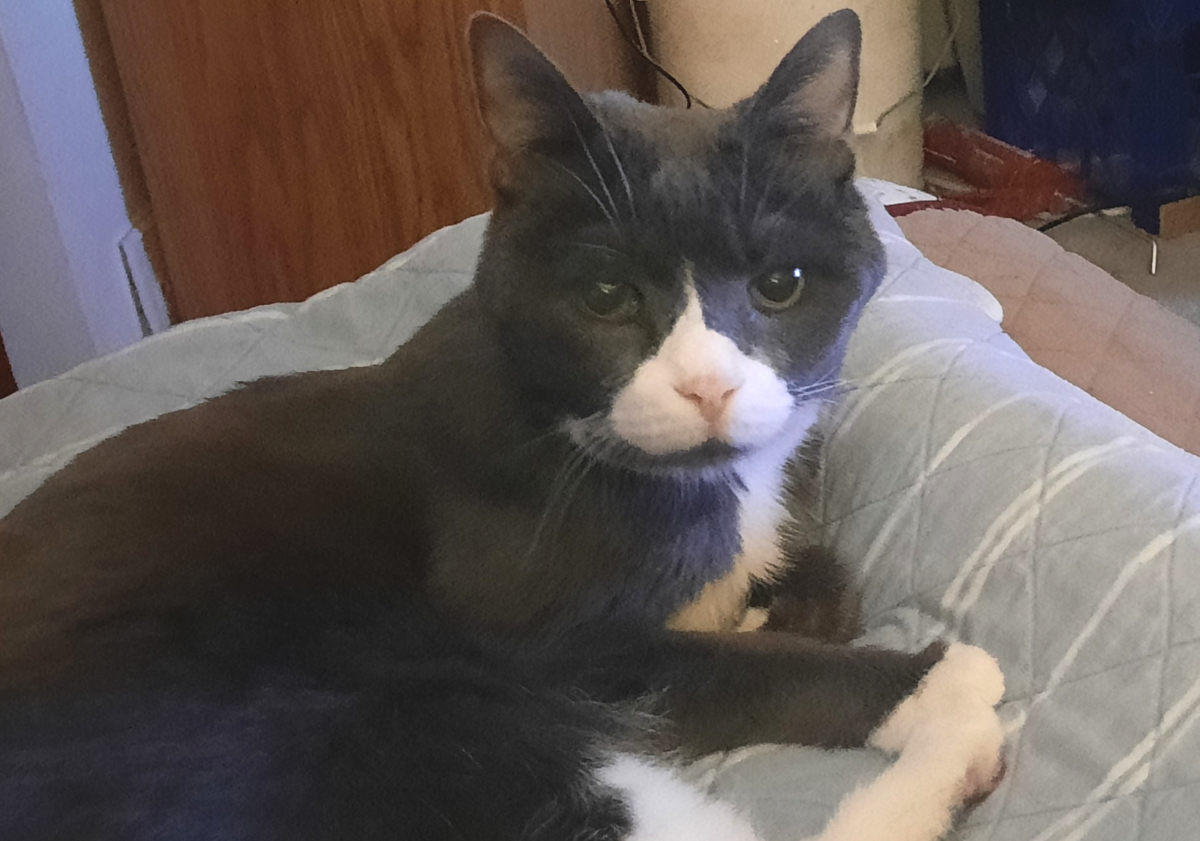 International declawing restrictions generally address whether the operation may be performed, rather than the ownership or adoption of cats who were previously declawed. This distinction matters to rescue organizations and people adopting older cats whose medical histories may be incomplete.
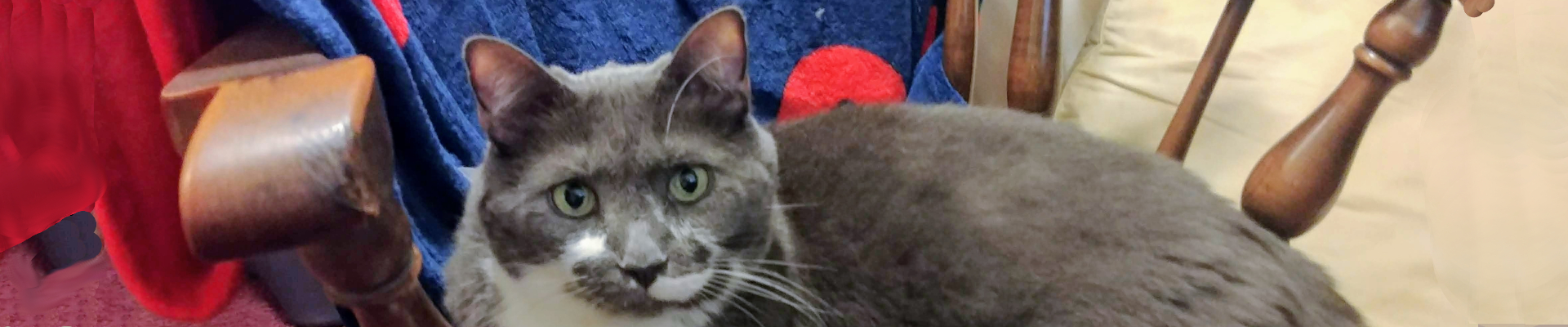
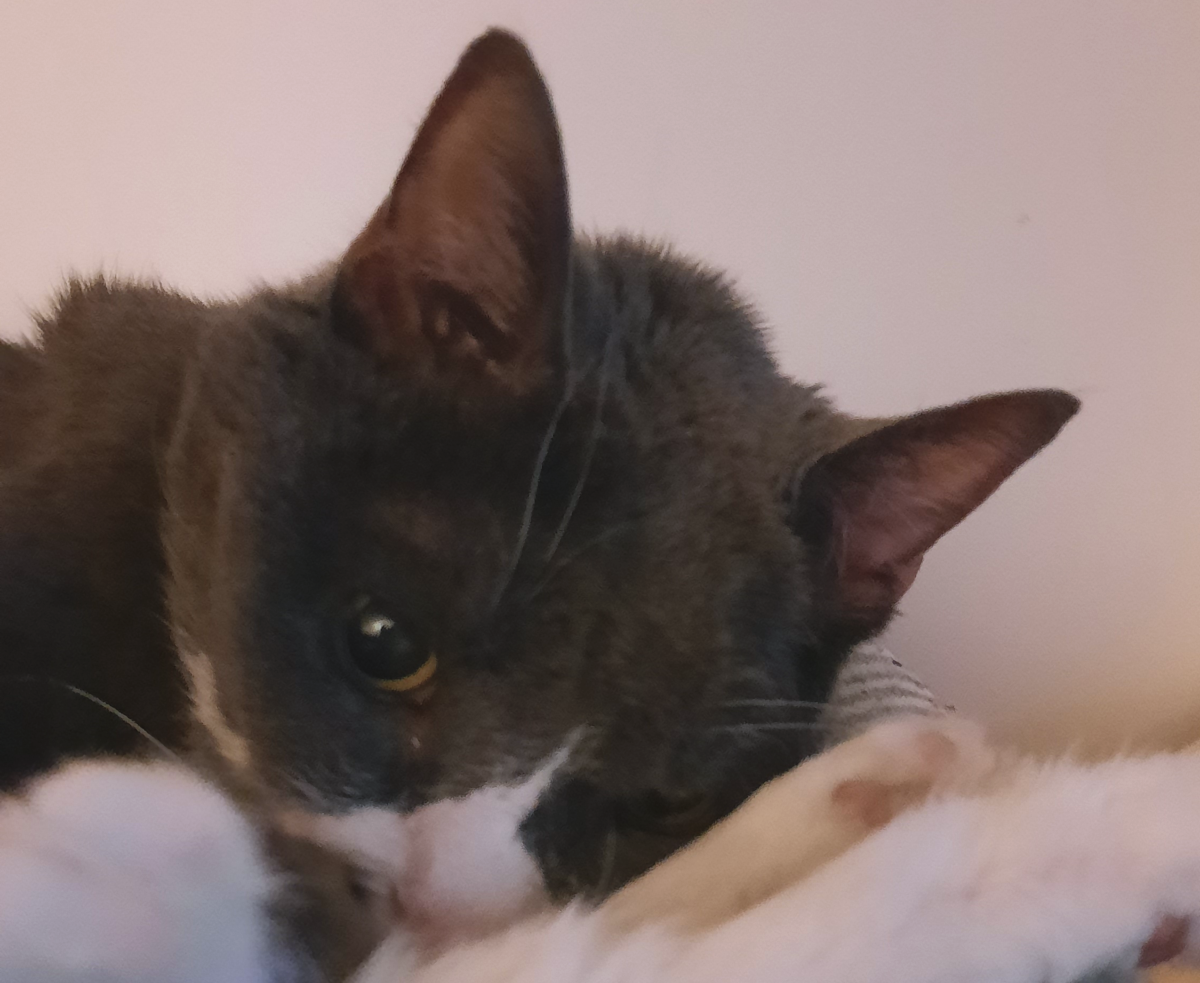
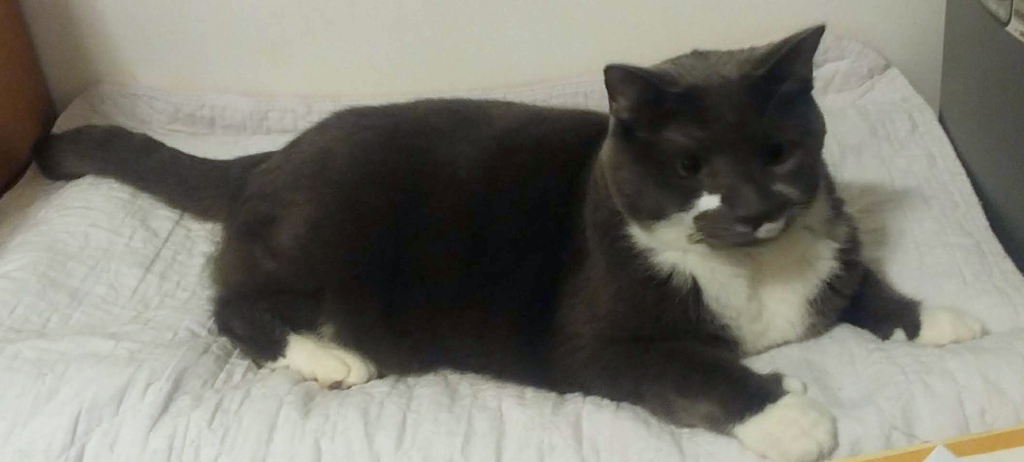
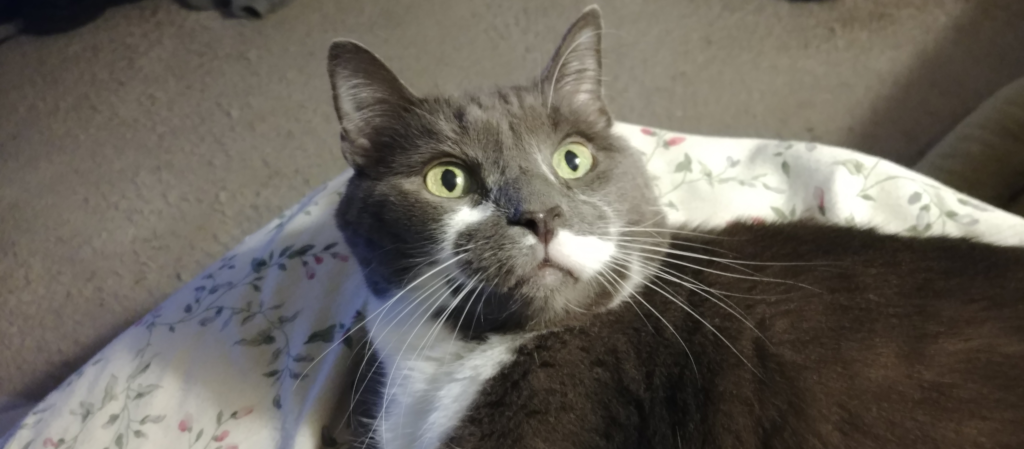
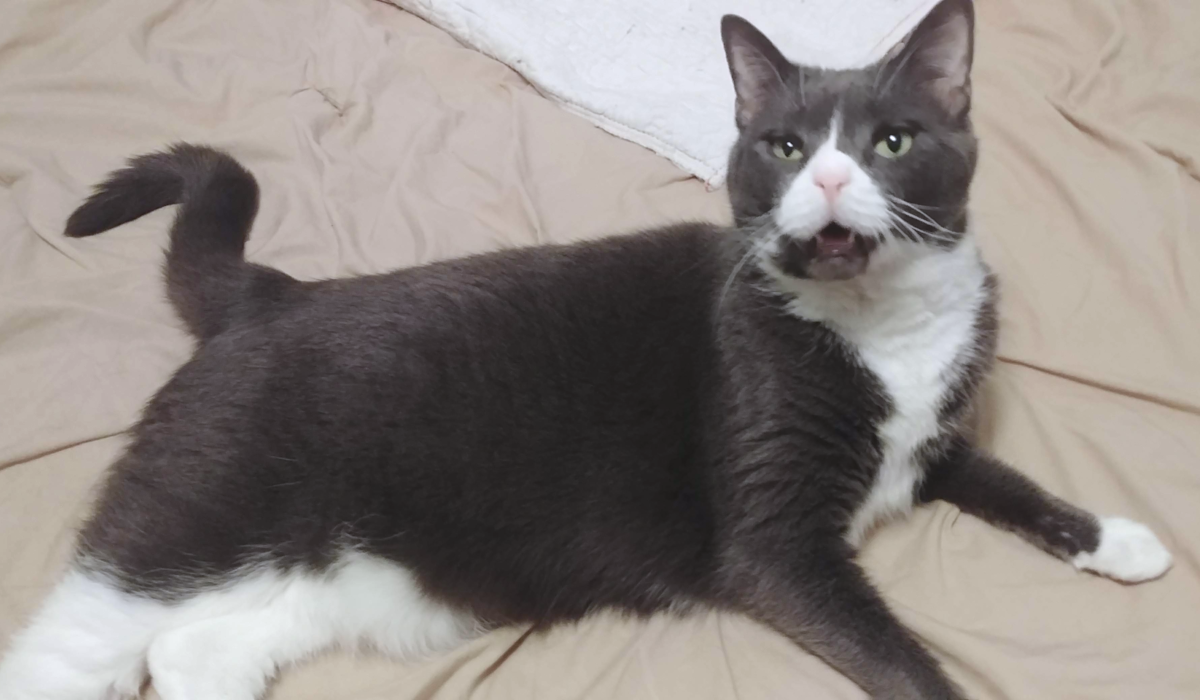
At BellenPaws, we have cared for cats who arrived already declawed, including Belle and Paws. Neither operation was performed while they were in our care. Their histories are relevant because adoption often involves accepting medical decisions made long before an animal enters a new household.
Not every declawed cat develops recognizable long-term complications. Some appear comfortable throughout their lives, while others may experience discomfort that requires further investigation. An absence of obvious symptoms cannot establish whether a previous surgery had any lasting effects, particularly when the original surgical records are unavailable.
For senior cats, changes in jumping, walking, litter box habits, or sensitivity around the paws deserve careful attention. These signs can occur with arthritis, injuries, neurologic problems, or other medical conditions, so they should not automatically be attributed to declawing. An examination can help determine whether the feet, joints, or another part of the body is contributing to the difficulty.
Accessible litter boxes, stable walking surfaces, and comfortable resting areas may help an older cat with mobility limitations, regardless of whether the animal has claws. The most appropriate adjustments depend on the cat’s observed abilities and any underlying medical conditions.
What International Declawing Policies Mean for Cat Adoption and Long-Term Care
One practical consequence of restricting declawing is the increased importance of preparing owners for normal feline scratching before adoption. A household that understands scratching behavior is better positioned to choose suitable equipment, protect vulnerable furniture, and establish realistic expectations.
Rescue organizations and shelters can contribute by discussing a cat’s scratching preferences and previous living conditions during the adoption process. For example, knowing that a cat prefers horizontal cardboard scratchers may help a new owner provide an acceptable surface immediately. Information about the animal’s response to nail trimming can also help caregivers plan a manageable routine.
Housing restrictions and rental agreements present additional challenges for some cat owners. Where landlords or housing providers express concerns about property damage, discussing protective arrangements and appropriate scratching equipment may help address those concerns. Legal protections and housing rules vary by jurisdiction, so owners should verify what applies to their particular situation.
For cats that have already undergone declawing, access to past veterinary records may become increasingly useful with age. Records identifying which paws were affected, the surgical method when known, and any documented complications can provide valuable context during future examinations.
This also illustrates an important responsibility shared by veterinarians, rescue organizations, and caregivers. When an animal changes homes, details about previous surgery should remain part of its medical history whenever possible. Preserving that information helps future caregivers distinguish established facts from assumptions and gives veterinarians a clearer basis for evaluating problems that may emerge years later.
