

A diagnosis of hyperthyroidism in an older cat often brings an immediate concern about life expectancy. Owners want to know whether treatment can give their cat several more comfortable years or whether the condition will eventually become difficult to control. The answer depends on how successfully the disease is managed, along with the cat’s age and overall health.
Feline hyperthyroidism is one of the more treatable endocrine disorders affecting older cats. Many respond well to treatment, regain lost weight, become less restless, and maintain a good quality of life. Some live for several years following diagnosis, particularly when thyroid hormone levels remain controlled and other medical conditions are manageable.
Long-term survival, however, involves more than correcting excessive thyroid hormone production. Kidney function, cardiovascular health, nutritional condition, and other age-associated illnesses can have a greater influence on prognosis than hyperthyroidism itself. Understanding these relationships provides a more useful picture of what owners can reasonably expect.
How Hyperthyroidism Affects a Cat’s Long-Term Health
Hyperthyroidism develops when the thyroid gland produces excessive amounts of thyroid hormones, particularly thyroxine (T4). These hormones regulate metabolism and influence the activity of organs throughout the body. In most affected cats, excessive hormone production results from benign enlargement or tumors of thyroid tissue rather than cancer.
The increased metabolic activity explains many familiar symptoms, including weight loss despite a strong appetite, increased thirst, restlessness, vocalization, and changes in bowel habits. The cardiovascular system also works harder, sometimes producing an unusually rapid heartbeat or thickening of the heart muscle. Untreated hyperthyroidism is progressive and can eventually cause serious medical complications.
Treatment reduces excessive hormone production or removes or destroys the abnormal thyroid tissue responsible for it. When thyroid levels return to an appropriate range, many metabolic disturbances improve, although changes involving the heart, kidneys, or other organs may require additional attention. Some complications are reversible, while others can persist despite successful thyroid treatment.
A cat whose thyroid disease remains well controlled may eventually face greater health challenges from unrelated conditions associated with aging. This helps explain why two cats diagnosed with similar thyroid abnormalities can experience considerably different long-term outcomes.
How Many Years Can a Cat Live After Diagnosis?
 Published veterinary research provides useful survival estimates, although no single figure accurately predicts an individual cat’s remaining lifespan. The 2016 American Association of Feline Practitioners guidelines reported that treated hyperthyroid cats without concurrent chronic kidney disease had median survival times of up to 5.3 years in published studies.
Median survival represents the point at which half the animals in a study have died and half have survived longer. It does not establish a maximum lifespan or indicate that an individual cat should be expected to live precisely that long. Survival statistics are also influenced by the age of the cats studied, their underlying illnesses, and the treatments they received.
More recent research has added valuable information. A 2026 study published in the Journal of Veterinary Internal Medicine examined long-term thyroid outcomes and survival in 1,344 cats treated with radioactive iodine. Among cats whose thyroid function was normal six to twelve months after treatment, the reported median survival was 49.7 months, or approximately 4.1 years, measured from radioactive iodine treatment.
The researchers also identified older age, male sex, and higher blood creatinine concentrations as factors associated with reduced survival in their adjusted analysis. Higher creatinine can indicate impaired kidney function, although its interpretation depends on the cat’s muscle mass, hydration, and other clinical findings.
These results provide evidence that many successfully treated cats can live for years, but they should not be interpreted as predictions for every treatment method. The 2026 study specifically evaluated cats receiving radioactive iodine, and its survival estimates cannot automatically be applied to cats receiving lifelong medication or dietary treatment.
How Treatment Choices Influence Long-Term Prognosis
Feline hyperthyroidism can be managed through several established treatments. Some control hormone production without eliminating the underlying abnormal thyroid tissue, while others can provide a permanent cure.
The Cornell Feline Health Center describes four principal approaches: antithyroid medication, radioactive iodine, surgical thyroid removal, and therapeutic iodine-restricted diets. Each has advantages and limitations that affect long-term care.
Long-Term Methimazole Treatment
 Methimazole reduces thyroid hormone production and is commonly prescribed for cats with hyperthyroidism. It is available in veterinary-approved oral formulations, and compounded transdermal preparations may be prescribed in appropriate circumstances. When effective and well tolerated, the medication can control thyroid hormone levels for an extended period.
Methimazole does not eliminate the abnormal thyroid tissue, so treatment generally continues throughout the cat’s life unless another therapy is selected. The underlying thyroid disease may also progress, making periodic reassessment necessary even when the cat has remained stable for years.
Medication tolerance is an important consideration. Vomiting, reduced appetite, and lethargy can occur, while less common but more serious reactions can involve the liver, blood cell production, or skin. The FDA’s guidance on methimazole for cats explains these adverse effects and the need for regular laboratory monitoring.
For some older cats, medication provides a practical way to achieve thyroid control while evaluating other medical concerns. It can also serve as an initial treatment before radioactive iodine or surgery. Long-term success depends on consistent administration, treatment tolerance, and appropriate monitoring rather than medication alone.
Radioactive Iodine Therapy
Radioactive iodine treatment, commonly called I-131 therapy, selectively destroys overactive thyroid tissue while generally sparing normal surrounding structures. It is widely considered the preferred curative treatment for suitable cats, with published success rates of approximately 95% following treatment.
Unlike methimazole, radioactive iodine usually eliminates the need for lifelong antithyroid medication. However, treatment requires access to a licensed facility, specialized handling, and a period of hospitalization because of radiation-safety requirements. The initial cost can also be substantial, although continuing medication and laboratory expenses may make other approaches costly over time.
One possible complication is hypothyroidism, in which the thyroid gland produces insufficient hormone. Some affected cats have mild laboratory abnormalities that eventually resolve, while others develop persistent hypothyroidism requiring thyroid hormone replacement.
The 2026 study involving 1,344 radioiodine-treated cats found that persistent, untreated hypothyroidism was associated with shorter survival. Cats whose hypothyroidism was treated with levothyroxine did not show the same increased mortality risk in the study’s adjusted final-outcome analysis.
These findings support identifying and appropriately managing hypothyroidism after radioactive iodine treatment. Because this was an observational study, however, the association between replacement therapy and survival does not establish that medication alone caused the difference in outcomes.
Surgery and Iodine-Restricted Diets
Surgical removal of abnormal thyroid tissue can provide a lasting cure, particularly when the affected tissue can be successfully removed. The procedure requires general anesthesia, making preoperative evaluation especially relevant for cats with cardiovascular disease, kidney impairment, or other significant medical conditions. Potential complications include damage to the nearby parathyroid glands, which help regulate calcium levels.
Prescription diets containing carefully restricted amounts of iodine offer another treatment option. These diets reduce the iodine available for thyroid hormone production, but they must be fed exclusively to achieve their intended effect. Access to treats, other foods, or another cat’s meals can interfere with thyroid control.
Dietary treatment can be particularly challenging in households with multiple cats or when the affected animal has additional nutritional requirements. It also does not eliminate abnormal thyroid tissue, and long-term comparative survival evidence is more limited than for some other treatment approaches.
Why Chronic Kidney Disease Has Such a Strong Influence on Survival
 Chronic kidney disease is one of the most significant conditions affecting the prognosis of hyperthyroid cats. Both illnesses commonly occur in older animals, and hyperthyroidism can make existing kidney impairment difficult to recognize before treatment begins.
Excess thyroid hormone increases blood flow through the kidneys and raises the glomerular filtration rate, which describes how efficiently the kidneys filter blood. Hyperthyroidism also frequently causes muscle wasting, reducing the amount of creatinine produced by the body. Because creatinine is commonly measured to evaluate kidney function, these effects can make kidney health appear better than it actually is.
When treatment restores normal thyroid function, kidney blood flow and filtration may decrease toward their expected levels. Previously hidden kidney impairment can then become more apparent through laboratory abnormalities, changes in urine concentration, or clinical symptoms.
A 2022 veterinary literature review examining hyperthyroidism and kidney function explains these interactions and the difficulty of identifying underlying kidney disease before thyroid treatment. It also discusses how treatment-induced hypothyroidism can further reduce kidney filtration and complicate renal management.
Discovering kidney disease after successful thyroid treatment does not necessarily mean the treatment caused permanent kidney damage. In many cases, existing impairment was partially concealed by the physiological effects of excessive thyroid hormone. However, changes in kidney function following treatment still require careful evaluation.
Leaving a cat deliberately hyperthyroid to maintain increased kidney filtration is not an appropriate long-term solution. Persistent thyroid disease creates cardiovascular and metabolic risks of its own. Treatment instead aims to achieve appropriate thyroid control while managing kidney disease according to its severity and the cat’s clinical condition.
Cats with mild, stable chronic kidney disease may continue living comfortably for extended periods. Advanced kidney impairment generally creates a more guarded prognosis, particularly when accompanied by persistent poor appetite, dehydration, progressive weight loss, or other medical complications.
Heart Disease and High Blood Pressure Can Change the Outlook
Excessive thyroid hormone increases heart rate and the force of cardiac contractions. Over time, some hyperthyroid cats develop thickening of the heart muscle, heart murmurs, or abnormal heart rhythms. These changes can sometimes improve substantially once thyroid hormone levels are controlled.
Not every cardiovascular abnormality is directly caused by hyperthyroidism, however. Some older cats have independent heart disease that continues to require evaluation or treatment after their thyroid levels normalize. Persistent abnormalities may warrant further investigation to distinguish thyroid-related changes from an underlying cardiac condition.
High blood pressure, or hypertension, is another concern because it can damage the eyes, kidneys, heart, and nervous system. Some affected cats experience improved blood pressure after hyperthyroidism treatment, while others remain hypertensive or develop hypertension after treatment begins.
Hypertension can exist without obvious outward symptoms, making blood pressure measurements useful during routine follow-up examinations. Sudden blindness, marked disorientation, collapse, or breathing difficulties can indicate serious complications requiring immediate veterinary assessment. Rapid or labored breathing at rest is especially concerning and should not be treated as a routine symptom of aging.
Why Long-Term Thyroid Monitoring Remains Necessary
 Successful thyroid management does not end with the first normal T4 result. Hormone concentrations can change over time, medication requirements may need reassessment, and other medical conditions can affect how well a cat tolerates treatment.
The 2023 American Animal Hospital Association endocrine guidelines recommend monitoring T4 every two to four weeks during initial methimazole regulation until the intended hormone levels are reached. Once a cat is stable, physical examinations and routine laboratory evaluations are recommended at least every six months, with more frequent assessments when significant concurrent illnesses are present.
Follow-up testing commonly includes thyroid hormone measurements, kidney values, blood cell counts, and other blood chemistry results. Urinalysis and blood pressure measurements provide additional information, particularly for cats with kidney disease or hypertension. In selected cases, veterinarians may also measure thyroid-stimulating hormone (TSH) to investigate suspected hypothyroidism.
These evaluations help distinguish inadequate thyroid control from excessive suppression of hormone production. Both can cause clinical changes, and symptoms alone may not reliably identify which problem is present.
Even cats successfully treated with radioactive iodine require continued monitoring. In the 2026 long-term study, some cats with initially normal thyroid function later developed hypothyroidism, while others experienced recurrent hyperthyroidism. Those findings demonstrate that a favorable early response does not guarantee permanently normal thyroid function.
What Long-Term Hyperthyroidism Management Looks Like at Home
Daily care often becomes easier once the cat’s treatment requirements are established. Medication schedules, feeding arrangements, weight measurements, and veterinary appointments can be incorporated into a manageable household routine. The degree of involvement varies depending on whether the cat receives medication, has undergone curative treatment, or has additional medical conditions.
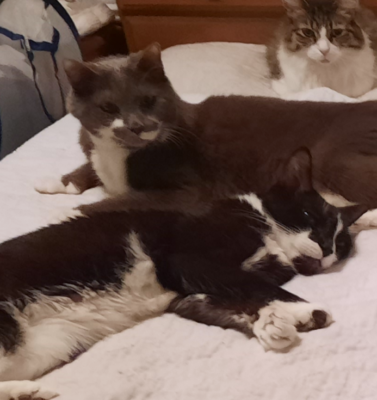
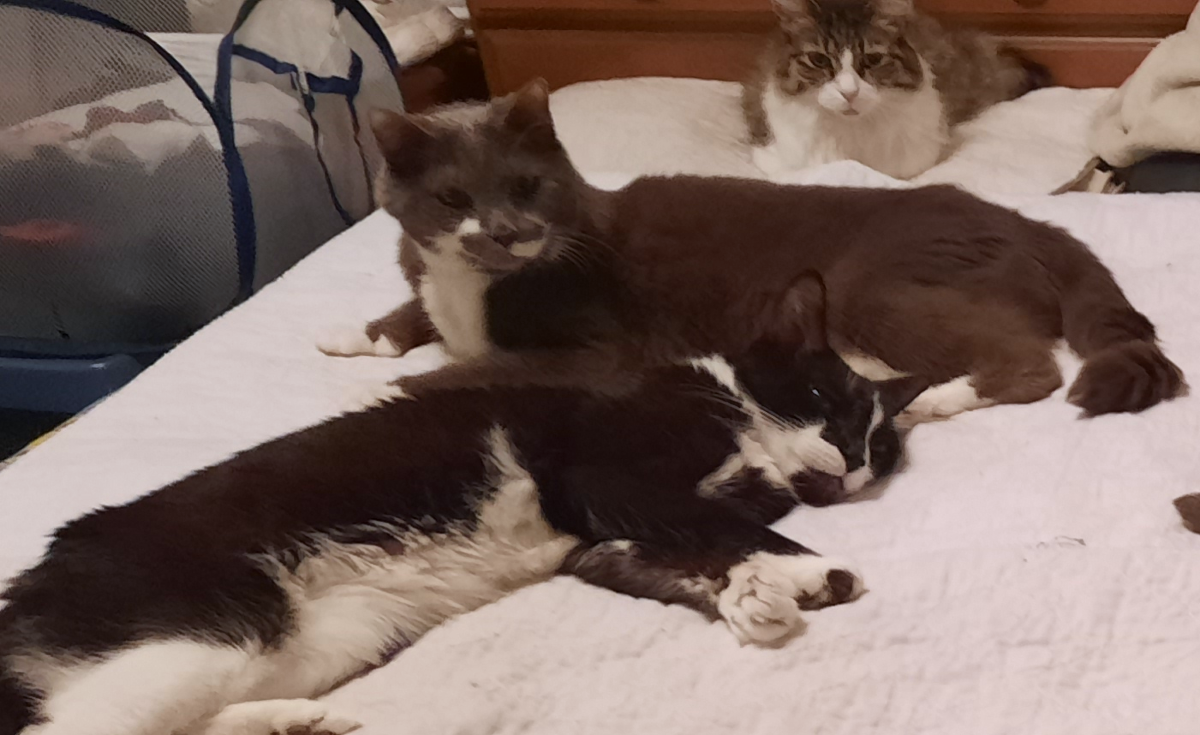
At BellenPaws, hyperthyroidism has been part of caring for several cats, including Belle and Paws. We have also cared for Rascal and Tabitha, both of whom received radioactive iodine treatment. These experiences have made us familiar with the practical differences between managing a chronic condition and pursuing a treatment intended to eliminate it.
One particularly useful habit in caring for cats with chronic medical conditions is maintaining consistent records. Information that seems insignificant during a single week may become more meaningful when compared with observations collected over several months.
Tracking Weight, Appetite, and Daily Behavior
Body weight deserves particular attention because hyperthyroidism commonly causes substantial muscle loss. A cat may appear to eat well while gradually becoming thinner, making appetite alone an unreliable measure of nutritional condition.
Regular weighing on the same scale, under similar conditions, helps identify changes that may otherwise go unnoticed. Body condition and muscle mass are also worth discussing during examinations because weight gain does not necessarily mean lost muscle has been fully restored.
Appetite, drinking habits, litter box output, vomiting, activity, and medication administration are useful details to record. A notebook, calendar, or simple spreadsheet is usually sufficient, provided entries are reasonably consistent. Recording the date of treatment changes alongside these observations makes it easier to identify patterns.
A previously hyperthyroid cat may also begin gaining excessive weight after treatment as metabolism returns to normal. Nutritional management should reflect the cat’s body condition, muscle mass, and any concurrent illness, particularly kidney disease. There is no single feeding approach that suits every cat recovering from hyperthyroidism.
Managing Medication Difficulties
Giving medication consistently can become challenging, especially when treatment continues for years. Some cats resist tablets, while others tolerate one formulation better than another. Missed doses and irregular administration can complicate thyroid regulation, making it harder to interpret subsequent laboratory results.
Owners encountering these problems can discuss alternative formulations, administration techniques, or definitive treatment options with their veterinarian. Changing medication schedules or formulations independently can affect treatment effectiveness, so adjustments need to be coordinated with the prescribing professional.
Practical limitations also influence treatment decisions. Transportation, medication costs, a cat’s tolerance for repeated handling, and the frequency of veterinary visits can determine which approach is sustainable for a particular household. These considerations deserve attention alongside the medical advantages of each treatment.
Quality of Life After Thyroid Levels Return to Normal
 Laboratory results provide important information about disease control, but they cannot describe every aspect of a cat’s daily comfort. A cat may have normal thyroid hormone measurements yet continue experiencing arthritis, dental disease, kidney problems, or another condition unrelated to hyperthyroidism.
Changes in mobility, grooming, sleeping habits, and social behavior can provide useful clues. A cat that stops climbing onto familiar furniture, struggles to groom certain areas, or begins avoiding previously comfortable resting places may be experiencing discomfort that needs further investigation.
Appetite also requires careful interpretation. A reduction from excessive eating to normal food consumption is often expected after successful treatment, but persistent refusal to eat, repeated vomiting, or continued weight loss should not automatically be attributed to thyroid regulation.
Daily activities offer another way to assess comfort. Eating willingly, moving around the home, resting without apparent distress, using the litter box, and interacting in familiar ways help describe how the cat is functioning beyond laboratory measurements.
This broader view becomes particularly valuable when several chronic illnesses are being managed simultaneously. A cat’s thyroid condition may be stable while another medical problem becomes the main influence on comfort, activity, or appetite.
When a Previously Stable Cat Begins Declining
A decline after months or years of successful hyperthyroidism management deserves investigation rather than an assumption that the original disease has returned. Inadequate thyroid control or recurrence is possible, but kidney disease, hypertension, diabetes, gastrointestinal disorders, and other conditions can produce overlapping symptoms.
The pattern and timing of changes can help guide evaluation. Gradual weight loss despite a strong appetite raises different considerations than sudden appetite loss accompanied by vomiting or profound lethargy. Previous laboratory results, medication records, and weight measurements provide valuable comparisons when investigating new symptoms.
Some changes warrant prompt attention rather than waiting for a scheduled follow-up. Persistent refusal to eat, repeated vomiting, pronounced weakness, or a substantial decline in normal activity should be assessed promptly. Collapse, serious breathing difficulty, or sudden blindness requires emergency veterinary care.
A normal thyroid measurement during such an evaluation is helpful, but it does not rule out another illness. Kidney function, blood pressure, hydration, nutritional condition, and cardiovascular findings may be more informative than repeating thyroid testing alone.
Long-term treatment plans sometimes need to change because a cat’s overall medical condition has changed. An animal that tolerated methimazole well for years may develop another illness that affects medication decisions, while a cat previously considered a poor candidate for definitive treatment may become more suitable after stabilization.
How the Prognosis Changes as a Cat Gets Older
 Hyperthyroidism is most frequently diagnosed in middle-aged and older cats, so many affected animals are already entering a period when other chronic illnesses become more common. The prognosis established at diagnosis should therefore be reconsidered as new medical information becomes available.
A cat initially diagnosed with uncomplicated hyperthyroidism may have an excellent response to treatment and remain stable for years. Another cat may develop progressive kidney disease despite maintaining normal thyroid hormone levels. These outcomes are not necessarily evidence that the original thyroid treatment succeeded or failed differently.
Age alone also provides limited information about an individual cat’s remaining lifespan. An older cat with stable thyroid function, good nutritional condition, and manageable concurrent illnesses may have a more favorable outlook than a younger cat with advanced kidney disease or significant cardiac complications.
For cats receiving lifelong treatment, periodic reassessment helps determine whether the existing plan still meets their needs. This may involve reviewing medication tolerance, adjusting the frequency of monitoring under veterinary direction, addressing newly diagnosed conditions, or reconsidering treatment options.
The most useful prognosis is one based on the cat’s current health rather than a survival estimate established years earlier. As the cat ages, decisions become increasingly dependent on kidney function, cardiovascular stability, nutritional status, and how comfortably the animal continues to manage ordinary daily activities.