
There are few things more unsettling than looking at a cat you love and realizing something has changed, but not being able to put your finger on exactly what it is. Maybe your senior cat is suddenly begging for food like they have never been fed in their life. Maybe they are losing weight even though they seem to be eating plenty. Maybe they are pacing, yowling, drinking more, or just acting a little “off” in that quiet way cats sometimes do before we humans catch up.
Feline hyperthyroidism is one of those conditions that can sneak into a household slowly. It does not always arrive with one dramatic symptom. More often, it shows up as a collection of small changes that are easy to explain away at first. We tell ourselves our cat is just getting older, becoming picky, acting restless, or having a few digestive upsets. But when those little signs begin to stack on top of each other, they can be the body’s way of asking for help.
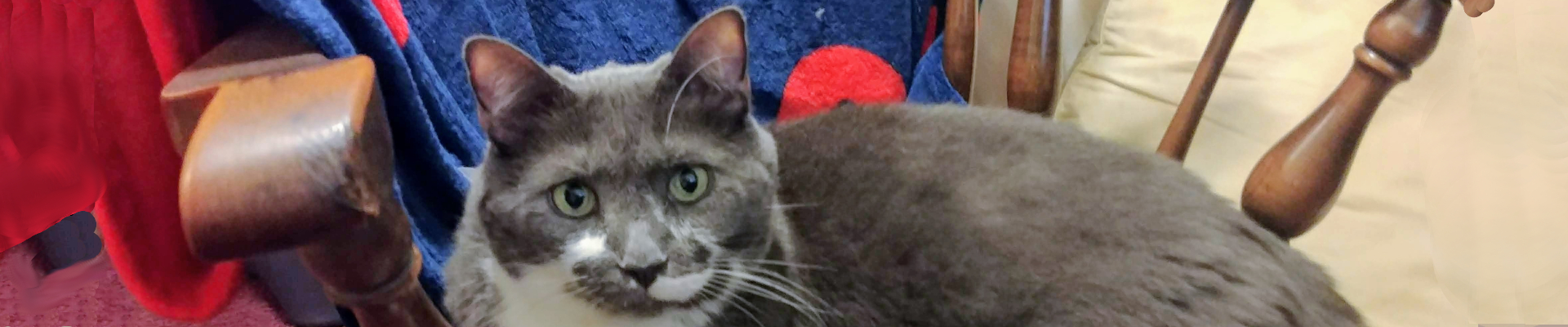
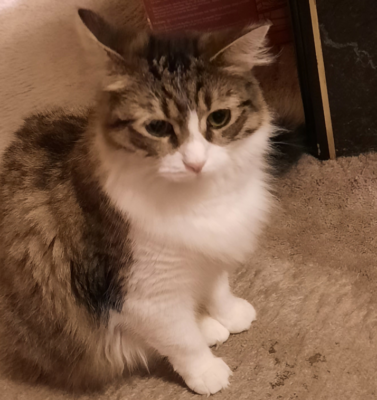
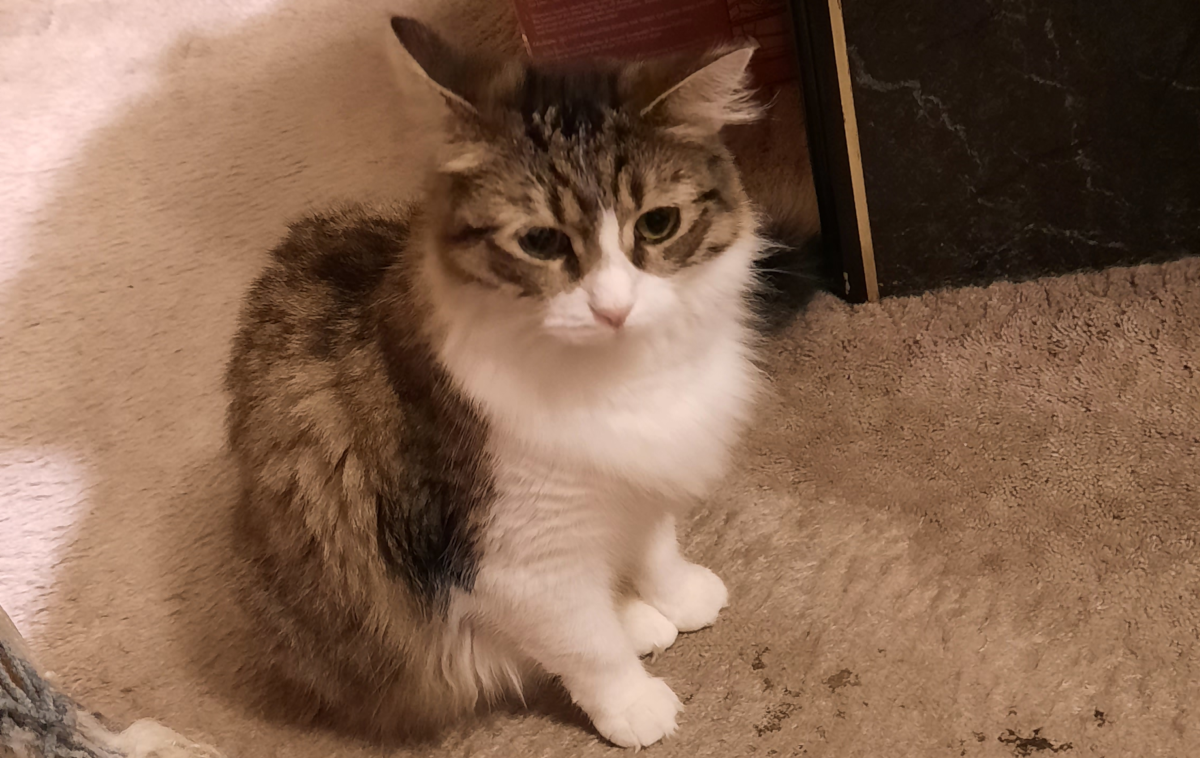
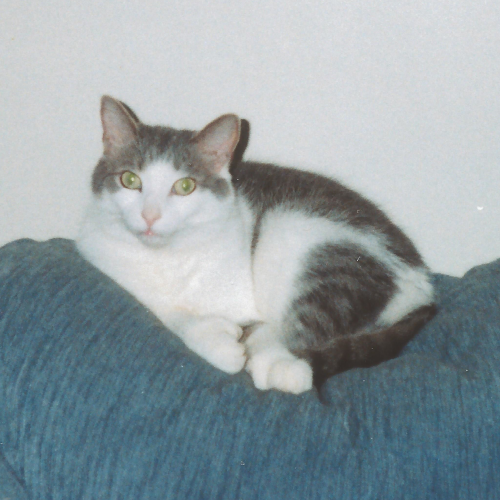
At BellenPaws, we have lived with senior cats long enough to know that “normal aging” can sometimes hide treatable problems. Belle and Paws, our founding senior cats, both dealt with hyperthyroidism in their later years. Their journeys taught us that paying attention to subtle changes is not being paranoid. It is being loving, observant, and prepared.
What Hyperthyroidism Means in Everyday Language
 The thyroid glands are small glands in the neck that help control the body’s metabolism. Metabolism is basically the speed at which the body uses energy. When a cat has hyperthyroidism, the thyroid produces too much thyroid hormone, and the body starts running too fast.
That “too fast” feeling is why many hyperthyroid cats seem hungry, restless, wired, or unable to keep weight on. Their bodies are burning through fuel at a pace that is hard to maintain. Even if they are eating well, or eating more than usual, they may still lose weight because their system is working overtime.
Hyperthyroidism is most often seen in middle-aged and senior cats, so it commonly appears during the same years when pet parents are already watching for kidney disease, arthritis, dental trouble, diabetes, high blood pressure, and other age-related concerns. This overlap can make symptoms confusing. A senior cat who is losing weight might have thyroid disease, kidney issues, diabetes, digestive trouble, cancer, dental pain, or more than one condition at the same time. That is why guessing at home is never enough.
The hopeful part is this: feline hyperthyroidism is a known, common condition, and veterinarians have several ways to diagnose and manage it. The earlier we notice the signs and ask for testing, the better chance we have of helping our cats feel steadier, safer, and more comfortable.
The Classic Sign: Eating More but Losing Weight
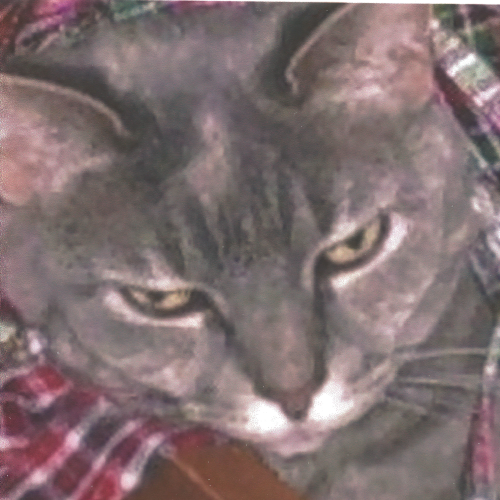 One of the most common signs pet parents notice is weight loss despite a strong or even increased appetite. This can be confusing because we often associate illness with a cat not eating. With hyperthyroidism, the opposite may happen. A cat may demand meals, steal food, wake you up early, or act frantic around feeding time, yet still look thinner month by month.
This is where hands-on observation matters. Long-haired cats can hide weight loss under their coat, and gradual loss may not be obvious when we see them every day. You might notice their hips feel sharper when you pet them, their spine is easier to feel, their collar seems looser, or their face looks a little more angular than before.
In our house, one of the lessons senior cats taught us is that the food bowl does not tell the whole story. A cat can be eating and still be struggling. Appetite is important, but body condition, muscle tone, litter box habits, behavior, and energy all belong in the same picture.
A simple home habit can help: weigh your senior cat regularly if they tolerate it safely. Even a baby scale or a pet scale can make changes easier to spot. You are not trying to replace veterinary care. You are giving yourself a clearer record so that when you call the vet, you can say, “She has lost half a pound in two months,” instead of, “I think she looks thinner.”
Restlessness, Yowling, and That “Something Is Different” Feeling
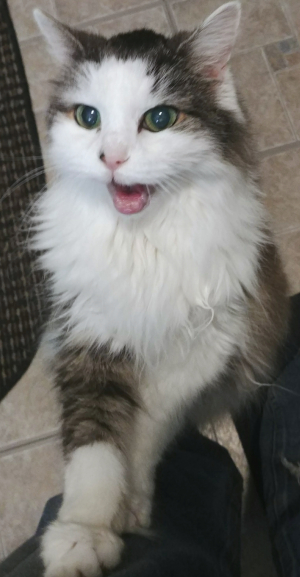 Hyperthyroidism does not only affect weight. Because the body is running too fast, many cats become restless, anxious, or unusually active. A cat who used to nap peacefully may start pacing through the house. A quiet cat may become vocal, especially at night. Some cats seem unable to settle, as if they are uncomfortable in their own skin.
Nighttime yowling can be especially hard on a household. It is tempting to think a senior cat is just confused, lonely, or being dramatic. Sometimes those things can play a role, but changes in nighttime behavior deserve attention. Hyperthyroidism, high blood pressure, pain, vision changes, cognitive changes, and other health problems can all affect how a senior cat behaves after dark.
You may also notice irritability. A sweet cat might become more reactive, more demanding, or less tolerant of being handled. This does not mean your cat has become “bad.” It may mean their body is overstimulated or uncomfortable. When hormones are out of balance, behavior can shift in ways that look emotional but are actually physical.
This is one reason we try to approach senior pet changes with compassion first. Cats are not trying to make our lives difficult. They are communicating with the tools they have: voice, appetite, movement, litter box habits, grooming, and mood. Our job is to listen closely enough to notice when the message changes.
Thirst, Litter Box Changes, Vomiting, and Coat Condition
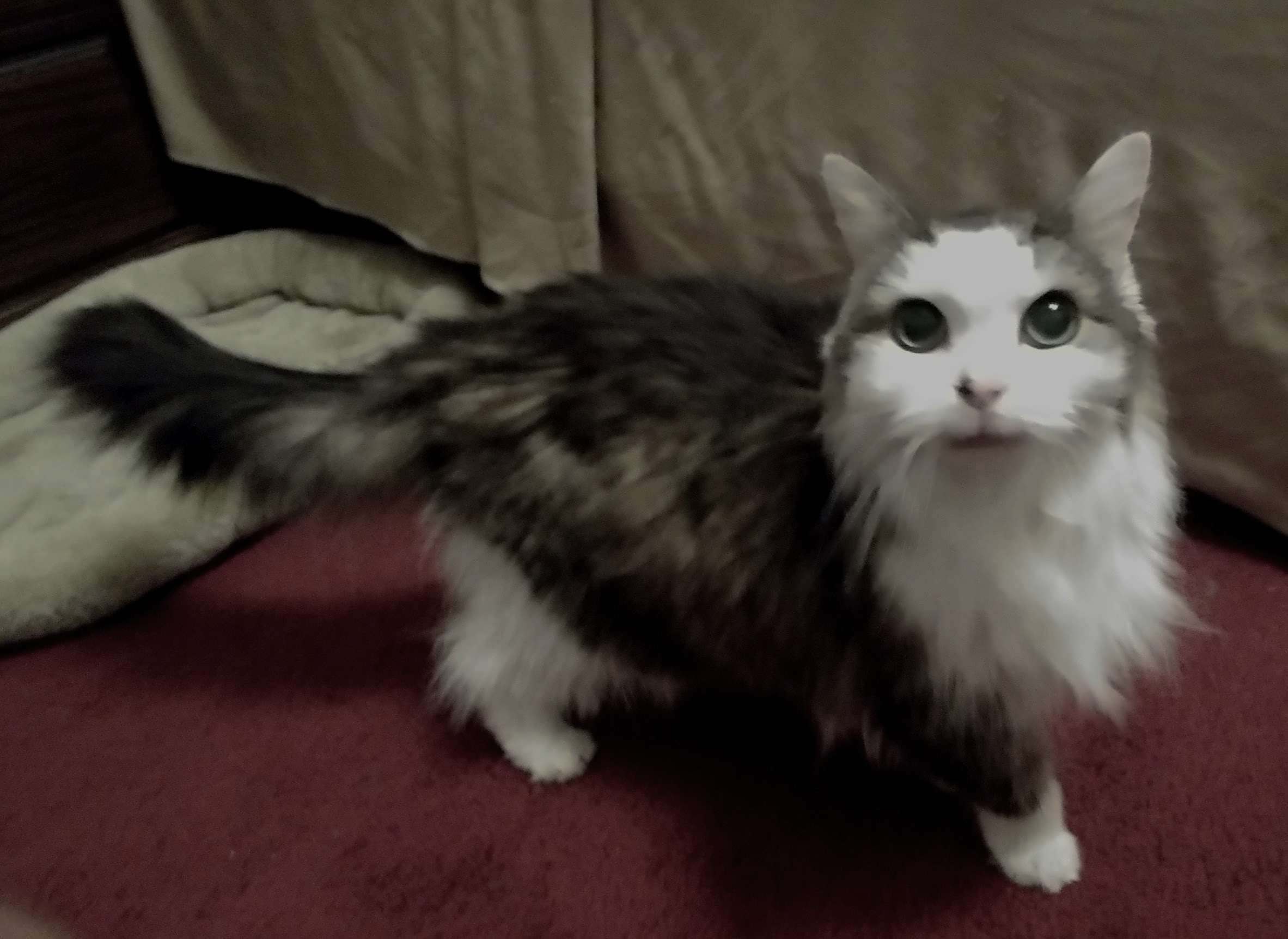 Many cats with hyperthyroidism drink more water and urinate more often. The litter box may become wetter, heavier, or smell stronger simply because there is more urine. You may refill the water bowl more often or see your cat visiting sinks, fountains, cups, or other water sources.
Increased thirst and urination should always be taken seriously in cats. Hyperthyroidism is one possible cause, but so are diabetes and kidney disease. Since BellenPaws also supports diabetic pet parents, we are especially sensitive to this symptom. A cat drinking more is not something to ignore or casually monitor for months. It is a good reason to schedule a veterinary visit and ask about bloodwork and urinalysis.
Digestive changes can also appear. Some cats vomit more often, have loose stools, or seem to have a sensitive stomach. Others may have a huge appetite but still lose muscle and body condition. A cat’s coat may become greasy, unkempt, dull, or matted because they are not grooming normally or because their body is under stress.
These signs can be easy to dismiss one at a time. A hairball here, a missed grooming session there, a little extra thirst during warm weather. But patterns matter. If your senior cat is thinner, hungrier, thirstier, more restless, and vomiting more often, those clues belong together.
This is also where a small notebook or tracker can help. Write down appetite changes, weight changes, vomiting episodes, stool changes, water intake clues, and behavior shifts. For diabetic cats, our free online pet diabetes tracker and printable charts can help organize glucose-related information for vet visits, but even non-diabetic senior cats benefit from consistent notes. Clear records can make a veterinary appointment far more productive.
Why a Vet Visit Matters So Much
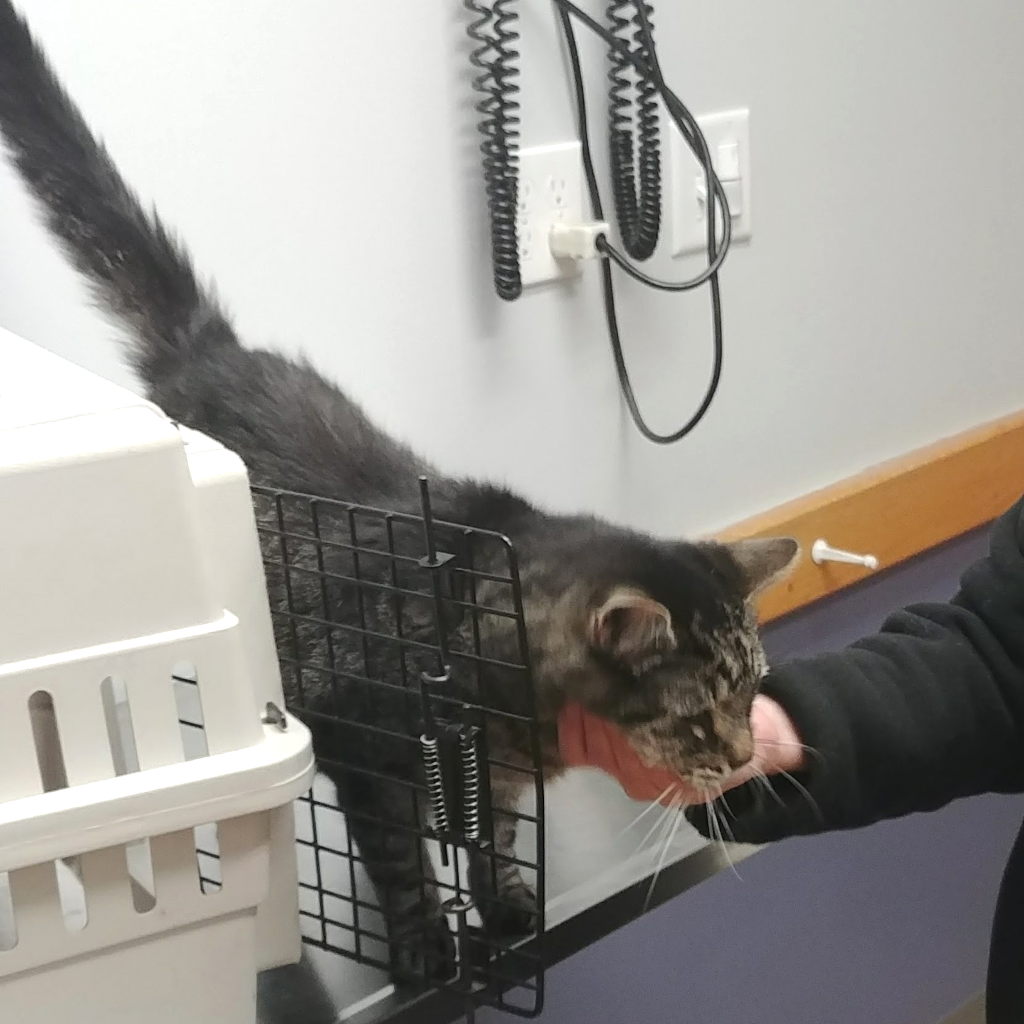 It is natural to search online when symptoms appear. Most of us do it because we love our pets and want answers quickly. But hyperthyroidism cannot be confirmed by symptoms alone. Your veterinarian will usually look at your cat’s history, do a physical exam, and run bloodwork that includes thyroid testing. They may also check kidney values, blood pressure, heart rate, and urine because senior cat conditions often overlap.
This part matters because treating the thyroid can reveal or change the way other conditions look. For example, kidney disease and hyperthyroidism can exist together, and your vet will want to monitor your cat carefully. Some cats also develop high blood pressure or heart-related changes when thyroid hormone is too high. That does not mean you should panic. It means this is a condition that deserves proper guidance and follow-up.
Treatment options may include medication, radioactive iodine therapy, surgery, or a prescription iodine-restricted diet, depending on your cat’s health, your vet’s recommendation, availability, cost, and what your household can realistically manage. There is no shame in needing a plan that fits your actual life. Some cats are easy to medicate. Some are tiny goblins with fur and opinions. Your vet can help you weigh the options.
The biggest mistake is ignoring the signs because the cat still eats. Eating is wonderful, but it does not guarantee that everything is fine. A senior cat who eats constantly and loses weight is waving a little red flag, and we owe it to them to look closer.
Watching With Love, Not Fear
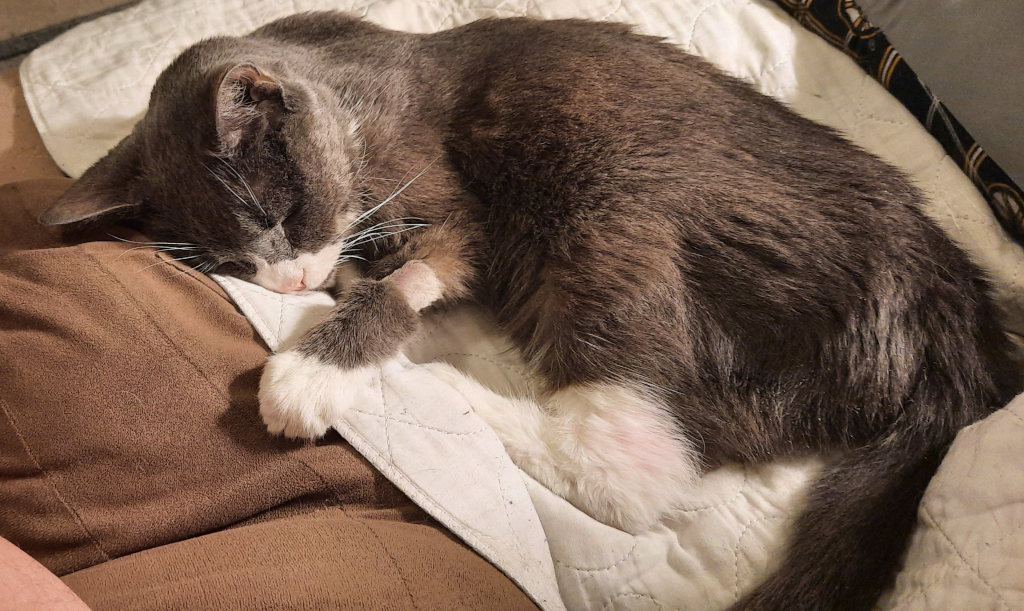 Living with senior pets means learning the difference between worry and watchfulness. Worry can make us spiral. Watchfulness gives us something useful to do. We can notice. We can record. We can schedule the appointment. We can ask good questions. We can follow up when something does not feel right.
Hyperthyroidism can sound scary when you first hear the word, but many cats do very well with proper care. The goal is not to become a veterinarian overnight. The goal is to become a calm, informed advocate for the cat who trusts you.
If your senior cat is losing weight, eating more, drinking more, yowling at night, pacing, vomiting, having litter box changes, or looking unkempt, do not brush it off as “just old age.” Old age is not a diagnosis. It is a season of life when our cats deserve more attention, not less.
Belle and Paws taught us that senior cats still have love to give, and they still deserve answers when their bodies start changing. Sometimes the most loving thing we can do is notice the small signs early, call the vet, and give our cats the chance to feel like themselves again.